
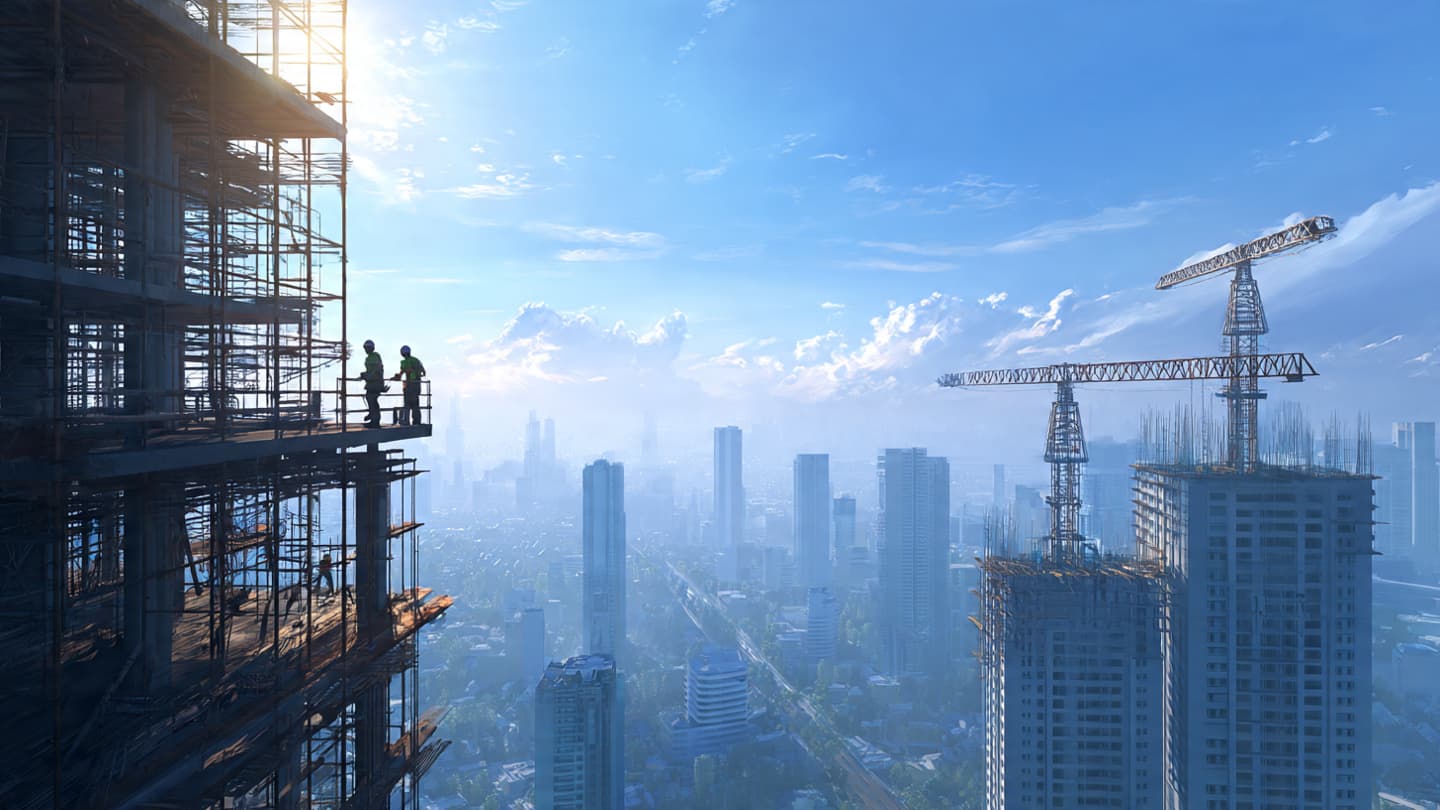
In rapidly growing cities, land often becomes more than soil beneath concrete. It turns into a measure of possibility, carrying hopes for housing, stability, and a more balanced urban future. Amid rising property values and expanding skylines, conversations about affordable housing continue to reflect deeper questions about access and long-term social development. Recent remarks from businessman James Riady entered that discussion through the language of contribution and urban planning.
James Riady stated that the land donated for subsidized apartment housing projects carried an estimated value of Rp 6 trillion. The claim emerged in relation to efforts supporting the development of affordable vertical housing intended to address residential needs in urban areas.
Affordable housing remains a significant issue in Indonesia’s major cities, where population growth and land limitations continue placing pressure on housing availability. Government programs involving subsidized apartments, commonly known as rusun subsidi, have increasingly been viewed as one approach to supporting lower- and middle-income residents.
The reported land contribution attracted attention due to both its scale and its connection to broader housing initiatives. In densely populated urban environments, land availability often represents one of the largest challenges in expanding affordable residential projects.
Observers note that cooperation between the private sector and public housing programs has become an important component of urban development strategies. Contributions involving land, infrastructure support, or financing may help accelerate housing construction, particularly in areas where property costs continue rising steadily.
At the same time, discussions surrounding housing policy frequently extend beyond construction targets alone. Questions involving accessibility, transportation links, public services, and long-term affordability remain central to conversations about sustainable urban living.
Indonesia’s urban housing challenges continue evolving alongside demographic and economic change. In cities experiencing rapid expansion, vertical housing projects are increasingly considered part of broader efforts to optimize limited land resources while accommodating growing populations.
As conversations around subsidized apartment projects continue, the statement regarding the Rp 6 trillion land value highlights the scale of investment associated with affordable housing development. The issue also reflects ongoing collaboration between government programs and private sector participation in addressing urban residential needs.
The illustrations featured in this article were generated using AI tools to visually represent the topic discussed.
Sources: Detik Properti, Kompas, Bisnis Indonesia
Note: This article was published on BanxChange.com and is powered by the BXE Token on the XRP Ledger. For the latest articles and news, please visit BanxChange.com