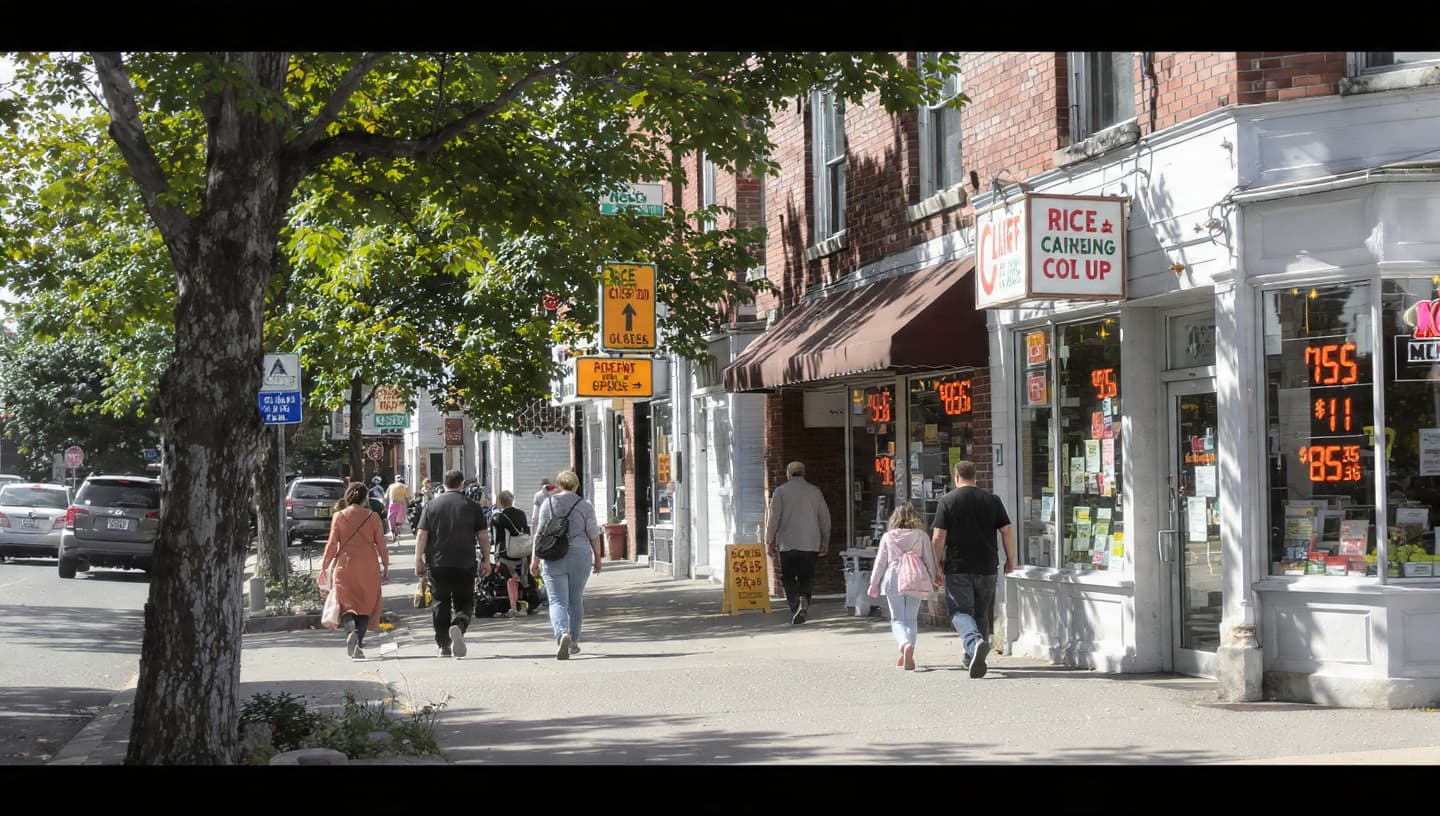
In many towns across eastern Pennsylvania, the signs of economic strain do not always appear dramatically at first. They emerge gradually in grocery aisles, utility bills, rent payments, and conversations held quietly across kitchen tables. What once felt manageable begins to shift little by little, until ordinary routines carry a heavier financial weight than before. For many residents in the region, rising living costs have become less an abstract economic statistic and more a daily reality shaping personal decisions.
Communities across eastern Pennsylvania are confronting growing concerns over inflation, housing expenses, healthcare costs, and rising prices tied to essential goods. Residents interviewed by local and national media described mounting financial pressure affecting households across income levels, with some expressing that current conditions feel more difficult than at any point in recent memory.
The region’s economy reflects broader national trends that have persisted despite periods of slowing inflation rates. While some sectors of the economy remain stable, families continue facing elevated costs for food, insurance, transportation, and utilities. In many cases, wages have struggled to keep pace with long-term increases in living expenses.
Local businesses are also navigating complicated conditions. Restaurant owners, retailers, and service providers report higher operating costs connected to supply chains, labor, and rent. Some businesses have adjusted pricing carefully in an effort to balance sustainability with customer affordability, though many acknowledge the challenges facing consumers directly.
Housing has become a particularly significant concern in parts of Pennsylvania experiencing population growth and limited inventory. Rising rents and home prices have affected both urban neighborhoods and smaller communities, leaving younger families and retirees alike searching for financial stability within tightening budgets.
Economic experts note that public perception of financial hardship often depends not only on inflation data but on cumulative experience over time. Even when economic indicators show moderation in price increases, households may continue feeling pressure because costs remain substantially higher than in previous years. The emotional experience of economic strain can therefore linger well beyond technical improvements in inflation rates.
For many residents, the uncertainty surrounding future affordability contributes to a broader sense of anxiety. Decisions involving healthcare, childcare, education, or retirement planning increasingly require careful trade-offs. Conversations about financial security have become common across communities where economic optimism once felt easier to sustain.
Yet within these concerns, there are also quieter stories of adaptation and resilience. Community organizations, food assistance programs, churches, and local support networks continue helping residents navigate difficult periods. In many Pennsylvania towns, neighbors still rely on one another as living costs reshape familiar routines.
Economic conditions in eastern Pennsylvania are expected to remain closely watched as policymakers, businesses, and households respond to ongoing financial pressures. While broader national indicators may fluctuate over time, residents throughout the region continue measuring the economy through the realities of everyday life.
AI Image Disclaimer: Some images related to this story were digitally generated using AI tools for editorial illustration.
Sources: The Philadelphia Inquirer, Reuters, Associated Press, NPR, CNN
Published by Banx Network. This article is part of the Banx decentralized media programme, powered by the BXE token on the XRP Ledger.