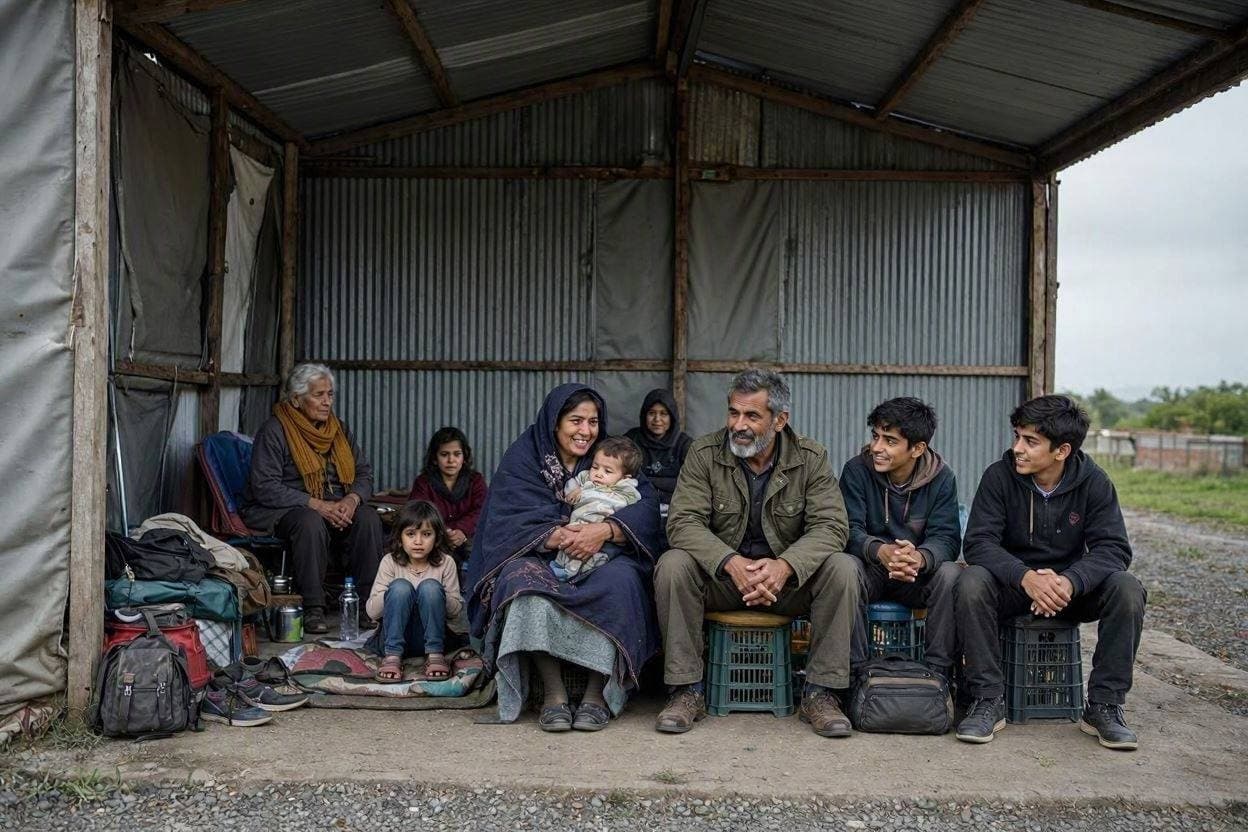
Ceuta, a Spanish enclave on the northern coast of Africa, is a place where continents meet and cultures collide. Recently, it became the focal point of a humanitarian crisis as thousands of migrants crossed the border in a single surge, overwhelming local authorities. In the aftermath, many remain stranded in the city, waiting for resolution to their uncertain futures. Local leaders describe a situation of prolonged tension, where the immediate emergency has given way to a complex logistical and moral challenge. It is a stark illustration of the human cost of migration policies and the resilience of those seeking a better life.
The influx occurred when migrants, including many minors, swam around breakwaters or walked across shallow waters to bypass border controls. Spanish authorities initially struggled to manage the sheer volume of arrivals, leading to scenes of chaos and compassion. Now, days later, thousands are housed in temporary shelters, sports centers, and hotels. The local government is working to process asylum claims and arrange repatriations or transfers to mainland Spain, but the system is stretched to its limits.
Juan Jesús Vivas, the president of Ceuta, has emphasized the need for solidarity from the rest of Europe. He argues that Ceuta cannot bear the burden alone, calling for a coordinated EU response to migration pressures. The crisis highlights the disparities in how different member states handle asylum seekers, often leaving border regions to cope with disproportionate numbers. The plea for support is both practical and political, urging a shared responsibility.
For the migrants, the wait is agonizing. Many have fled conflict, poverty, or persecution in their home countries, only to face uncertainty in limbo. Humanitarian organizations are providing food, medical care, and legal assistance, but resources are finite. The psychological toll on individuals, especially unaccompanied children, is significant. Their stories are a reminder of the desperation that drives people to take such risky journeys.
The Spanish government has deployed additional police and military personnel to secure the border and assist with processing. While the immediate surge has slowed, the underlying causes of migration remain unaddressed. Poverty and instability in North and Sub-Saharan Africa continue to push people toward Europe’s shores. Without long-term solutions, crises like this are likely to recur.
Local residents have shown mixed reactions, ranging from empathy to frustration. Some have volunteered to help, offering clothes and comfort to newcomers. Others worry about the strain on public services and social cohesion. The community is navigating a delicate balance between hospitality and capacity, reflecting broader societal debates about immigration.
The situation in Ceuta remains fragile, with thousands of migrants still awaiting their fate. It underscores the need for humane and effective migration policies at both national and European levels. As the world watches, the hope is for a solution that respects human dignity while addressing security concerns.
AI Image Disclaimer: Visuals associated with this article are AI-generated to illustrate the themes of migration and humanitarian aid.
Sources: BBC News The Guardian El País
Note: This article was published on BanxChange.com and is powered by the BXE Token on the XRP Ledger. For the latest articles and news, please visit BanxChange.com
.jpg&w=3840&q=75 "France Faces Lowest Potato Yield in More Than 30 Years as Drought Damages Crops")