
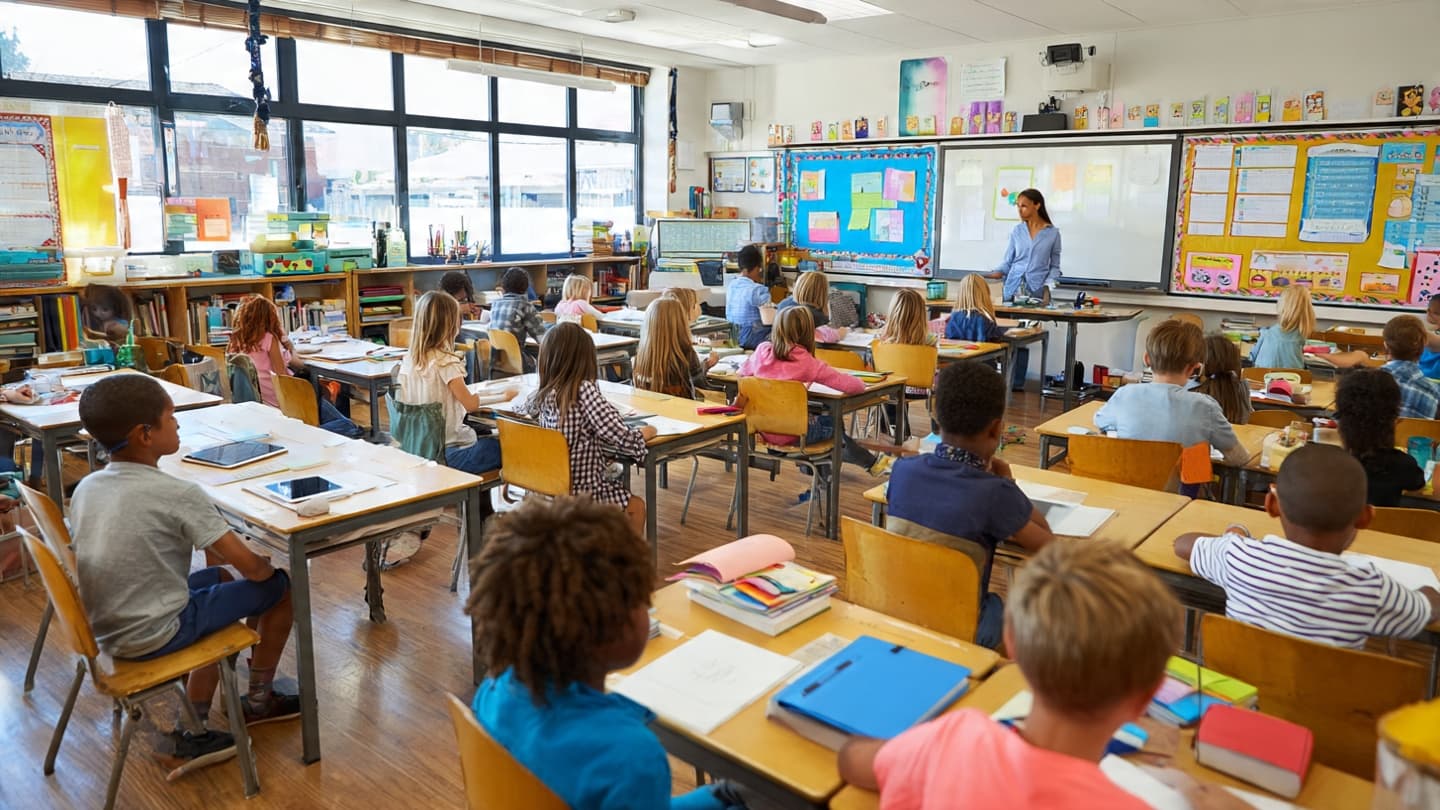
Technology often arrives with both promise and questions. Like a new tool placed in a classroom, its value depends not only on what it can do, but also on how it is used. In Norway, policymakers are addressing that balance through new restrictions on the use of generative artificial intelligence in elementary schools.
The decision reflects growing international discussions about the role of AI in education. As generative AI tools become increasingly accessible, educators and governments are evaluating their impact on learning, creativity, critical thinking, and digital literacy.
Norwegian officials have expressed concerns that unrestricted use of AI-generated content could affect fundamental educational skills. Early education is widely viewed as a period when students develop essential abilities such as reading comprehension, writing, reasoning, and independent problem-solving.
Supporters of the policy argue that technology should complement, rather than replace, the learning process. They emphasize the importance of ensuring that children continue to engage directly with educational materials and classroom activities.
Teachers remain central to the discussion. Many educators recognize the potential benefits of AI-assisted tools while also acknowledging the need for safeguards. Questions surrounding accuracy, bias, privacy, and age-appropriate usage continue to influence policy debates.
The move places Norway among a growing number of countries reviewing AI governance in educational settings. Governments worldwide are exploring frameworks designed to encourage innovation while protecting students and maintaining educational standards.
Technology companies are also paying close attention. Educational technology developers increasingly face expectations to design products that align with regulatory requirements and pedagogical objectives.
Experts note that AI literacy remains important even where restrictions exist. Understanding how AI systems operate, what their limitations are, and how they influence information environments has become an emerging educational priority.
As schools adapt to rapid technological change, Norway's approach highlights a broader challenge facing modern education: how to welcome innovation without losing sight of foundational learning goals. The conversation is likely to continue as AI capabilities evolve.
AI Image Disclaimer: Images featured with this article are AI-generated illustrations intended solely for visual representation of the topic.
Sources Verified Reuters BBC News The Guardian Norwegian Ministry of Education Associated Press
Note: This article was published on BanxChange.com and is powered by the BXE Token on the XRP Ledger. For the latest articles and news, please visit BanxChange.com