
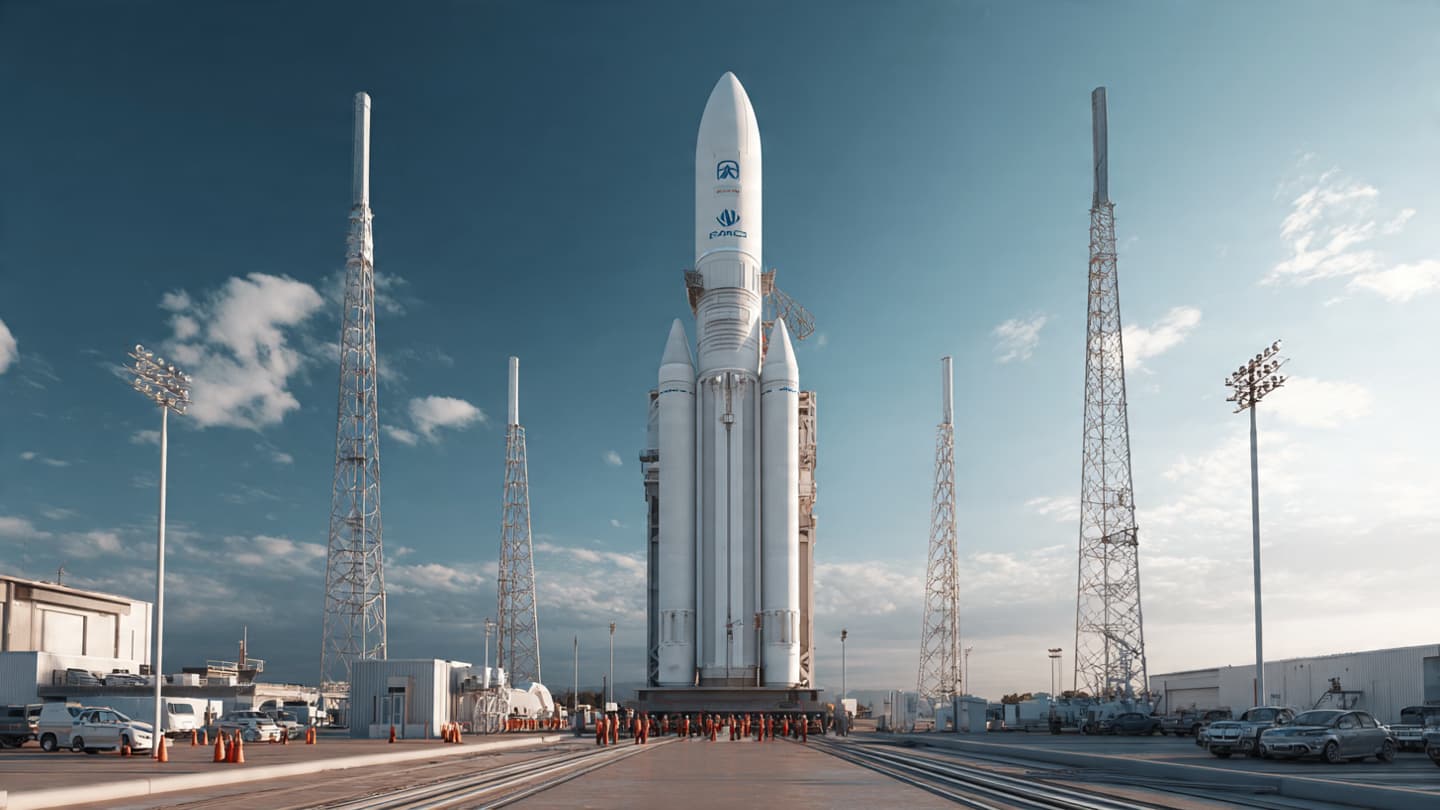
Throughout history, societies have often measured progress by the frontiers they choose to pursue. Once those frontiers were oceans and continents; today, they increasingly extend beyond Earth's atmosphere. Against this backdrop, SpaceX has reportedly reached a valuation of approximately $3 trillion, a milestone that reflects not only investor confidence in one company but also growing belief in the future of the space economy.
The achievement marks a remarkable chapter in the evolution of modern technology. Founded with ambitions that many initially viewed as extraordinarily challenging, SpaceX has become one of the most influential organizations in aerospace innovation. Its activities now span launch services, satellite communications, advanced engineering, and long-term exploration initiatives.
Investors have increasingly directed attention toward industries that promise transformational change. Artificial intelligence, cloud infrastructure, renewable technologies, and aerospace innovation have all emerged as major themes shaping investment strategies. SpaceX occupies a unique position at the intersection of several of these developments, making it particularly attractive to long-term investors.
A significant portion of investor enthusiasm stems from the company's satellite network operations. Expanding global internet access through space-based infrastructure has created new opportunities for connectivity in regions where traditional networks remain limited. As digital connectivity becomes increasingly essential, satellite technology continues to gain strategic importance.
The valuation also reflects broader changes within the aerospace industry. What was once dominated primarily by government agencies has evolved into a more competitive environment where private companies play a leading role. Innovation, investment, and commercialization have transformed space from a largely governmental endeavor into an expanding economic sector.
Beyond financial metrics, SpaceX's growth highlights advances in engineering and manufacturing. The company has contributed to reducing launch costs while increasing launch frequency, developments that have opened new possibilities for scientific research, commercial projects, and telecommunications infrastructure. These achievements have helped redefine expectations for what private industry can accomplish.
Market observers note that valuations of this scale often represent confidence in future opportunities rather than present revenues alone. Investors are effectively expressing belief that space-based technologies will play a growing role in the global economy over coming decades. Such expectations help explain the extraordinary level of market interest.
The broader implications extend beyond aerospace. Innovations developed for space applications frequently influence other industries, including telecommunications, software, materials science, and logistics. As a result, advances within the space sector often generate benefits that spread across the wider economy.
As SpaceX enters this new phase, questions remain about how rapidly the commercial space industry will continue to expand. Yet the valuation milestone itself serves as a powerful symbol of changing economic priorities. In an era increasingly defined by innovation, investors appear willing to place enormous value on those seeking to push the boundaries of possibility and reshape humanity's relationship with the final frontier.
AI Image Disclaimer Graphics are AI-generated and intended for representation, not reality.
Source Check Financial Times Reuters Bloomberg CNBC The Wall Street Journal
Note: This article was published on BanxChange.com and is powered by the BXE Token on the XRP Ledger. For the latest articles and news, please visit BanxChange.com