
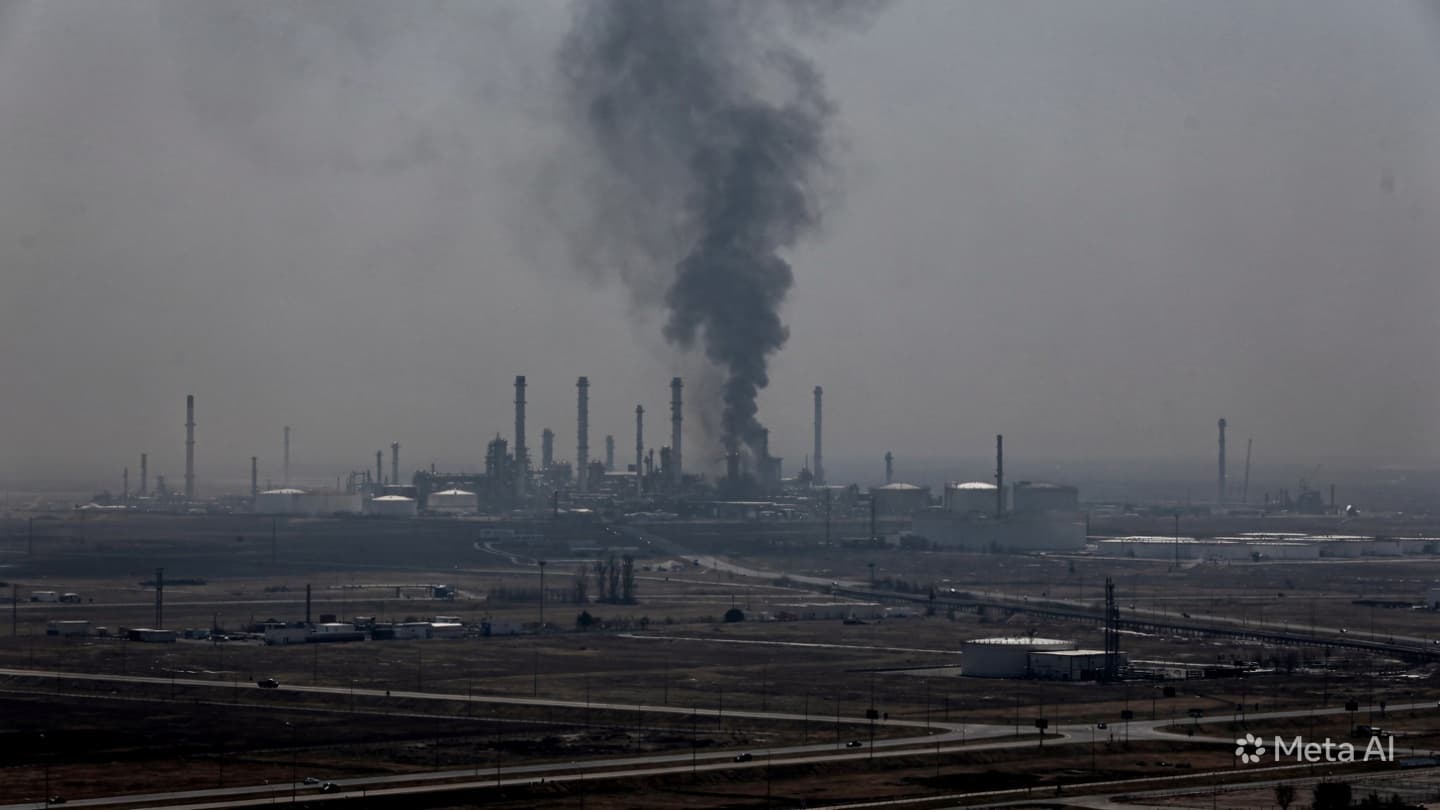
Houston, United States—A catastrophic explosion ripped through a primary hydrocracking unit at a major refining complex along the Houston Ship Channel early Monday afternoon. The blast occurred at 1:45 p.m., sending a massive column of thick black smoke into the sky that was visible from downtown Houston. Emergency sirens immediately began wailing across the industrial district as plant operators initiated emergency shutdown protocols for the entire facility.
Fenceline air monitors registered an immediate spike in volatile organic compounds, prompting local officials to issue a shelter-in-place order for nearby residential neighborhoods. High-pressure water cannons were deployed by automated systems inside the plant, but the fire quickly spread to an adjacent storage tank containing unrefined distillates. County emergency management dispatched twenty-two fire trucks to the scene.
A spokesperson for the refining company released a short press statement confirming that all personnel had been accounted for, with four workers treated on-site for smoke inhalation. The cause of the initial rupture remains unknown, and company officials stated that investigators cannot enter the hot zone until the structural integrity of the surrounding steel towers is verified.
The immediate consequence of the shutdown was felt in the energy markets, where wholesale gasoline futures jumped four percent within an hour of the news breaking. This specific refinery processes over three hundred thousand barrels of crude oil per day, supplying a significant portion of the fuel destined for the East Coast via major pipeline networks.
Private security guards established a half-mile perimeter around the facility, turning away frantic family members and independent media crews. On the perimeter road, the air smelled heavily of sulfur and burnt rubber, and the dull roar of the burning chemical fires could be felt as a low vibration in the ground.
Local environmental advocates gathered outside the exclusion zone, demanding that the state regulators release real-time emissions data. Past incidents in this industrial corridor have led to prolonged legal battles over air quality reporting, and community distrust remains high. State environmental inspectors arrived at the scene three hours after the blast to set up independent monitoring stations.
Pipeline operators confirmed they have reduced pressure on the main trunk lines heading northeast, as there is currently no product flowing from the Houston plant's injection pumps. If the outage extends past forty-eight hours, regional fuel terminals will have to draw down their emergency inventories to meet retail demand.
As night fell, the bright orange glow of the fire continued to illuminate the industrial skyline. Fire crews succeeded in isolating the damaged hydrocracker, but they are choosing to let the remaining fuel in the fractured storage tank burn itself out rather than risking an explosion by smothering it prematurely.
The federal chemical safety board announced it is assembling an investigative team to dispatch to the site. Their formal inquiry will not begin until the local fire department declares the site fully suppressed and cooled. The plant remains completely dark, offline, and surrounded by emergency vehicles.
Note: This article was published on BanxChange.com and is powered by the BXE Token on the XRP Ledger. For the latest articles and news, please visit BanxChange.com