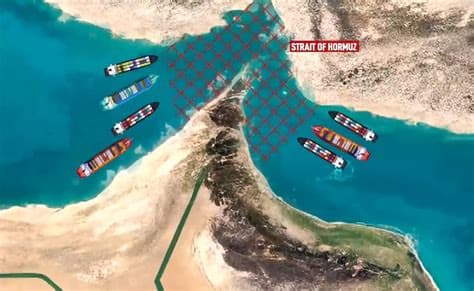
Maritime authorities raised the risk level for vessels transiting the Strait of Hormuz to “severe” after attacks and damage involving commercial tankers near the chokepoint. The incidents included a Qatari LNG tanker that faced an explosion risk amid a fire in its engine room, and a Saudi crude tanker that was damaged.
The developments come as the U.S. and Iran attempt to manage a fragile easing of tensions following a recent period of conflict that disrupted energy supplies worldwide. Reuters reported that traffic through the strait remained below normal levels, with only a fraction of typical daily transits.
The White House also revoked a license it had granted Iran to sell oil as part of efforts to reduce hostilities in the region, warning that Iran’s actions were “wholly unacceptable” and would bring consequences. A U.S. Navy-led maritime information center said the threat level had been increased from “substantial” to “severe,” citing deliberate hostile action under current conditions—marking the first time the “severe” rating had been used since mid-June.
The report said it was unclear whether the latest incidents would trigger another large-scale interruption of shipping through Hormuz, which is used by a significant portion of global oil and gas shipments. It also noted that the situation is occurring alongside ongoing broader discussions between Washington and Tehran over Iran’s nuclear ambitions and Iran’s stated interest in controlling access through the strait.
Separate from the tanker incidents, there were also reports of a tanker hit by a drone while transiting Hormuz later on Tuesday, sustaining minor damage and continuing to its next port.
Published by Banx Network. This article is part of the Banx decentralized media programme, powered by the BXE token on the XRP Ledger.