In the midst of conflict, where truth is often obscured by rhetoric and pain, the voice of a grieving mother cuts through the noise with clarity and sorrow. Hind Rajab’s mother has rejected the Israeli military’s announcement of a criminal investigation into the killing of her five-year-old daughter, calling it a "whitewash" designed to protect rather than punish. Her words reflect a deep distrust of institutions that she believes have failed to provide justice or accountability for the loss of innocent life.
Hind Rajab became a symbol of the humanitarian crisis in Gaza after audio recordings of her desperate phone calls from a car under fire were broadcast worldwide. She and six family members were killed, along with two paramedics who attempted to rescue them. For months, the Israeli military denied responsibility, but recently admitted that its troops had fired on the vehicle. The subsequent announcement of a criminal probe was met with skepticism by Hind’s family and human rights organizations.
"I don't want an investigation used to whitewash anyone's image," her mother stated, expressing her belief that the process lacks independence and integrity. For her, justice means more than an internal review; it requires transparency, external oversight, and genuine accountability. The trauma of losing a child is compounded by the feeling that their death is being minimized or justified by those in power.
Human rights groups have echoed these concerns, noting that internal military investigations rarely lead to meaningful consequences for soldiers. They argue that without impartial scrutiny, such probes serve to legitimize actions rather than uncover the truth. The call for an independent international investigation remains strong, driven by the need for credibility and fairness in the face of serious allegations.
The case of Hind Rajab highlights the broader issue of civilian protection in conflict zones. Children are among the most vulnerable, yet they often bear the brunt of violence. Their deaths evoke universal outrage, transcending political boundaries. For many, Hind’s story is a reminder of the human cost of war, urging leaders to prioritize peace and the safety of non-combatants.
For the Palestinian community, the rejection of the probe is an act of resistance and dignity. It asserts their right to demand justice and refuse narratives that diminish their suffering. Community leaders and activists continue to advocate for accountability, keeping Hind’s memory alive as a symbol of the need for change. Their efforts are fueled by love and a desire for a future where such tragedies do not occur.
International observers watch closely, aware that the outcome of this case will have implications for broader discussions on military conduct and human rights. Pressure mounts on governments and organizations to ensure that investigations are thorough and unbiased. The world waits to see if justice will be served, or if the cycle of impunity will continue.
In the end, Hind’s mother’s dismissal of the probe is a poignant statement on the nature of justice. It is not just about legal procedures but about moral responsibility and truth. For her, and for many others, the fight for accountability continues, driven by the hope that one day, no child will have to die in such circumstances. Until then, her voice remains a powerful call for conscience and change.
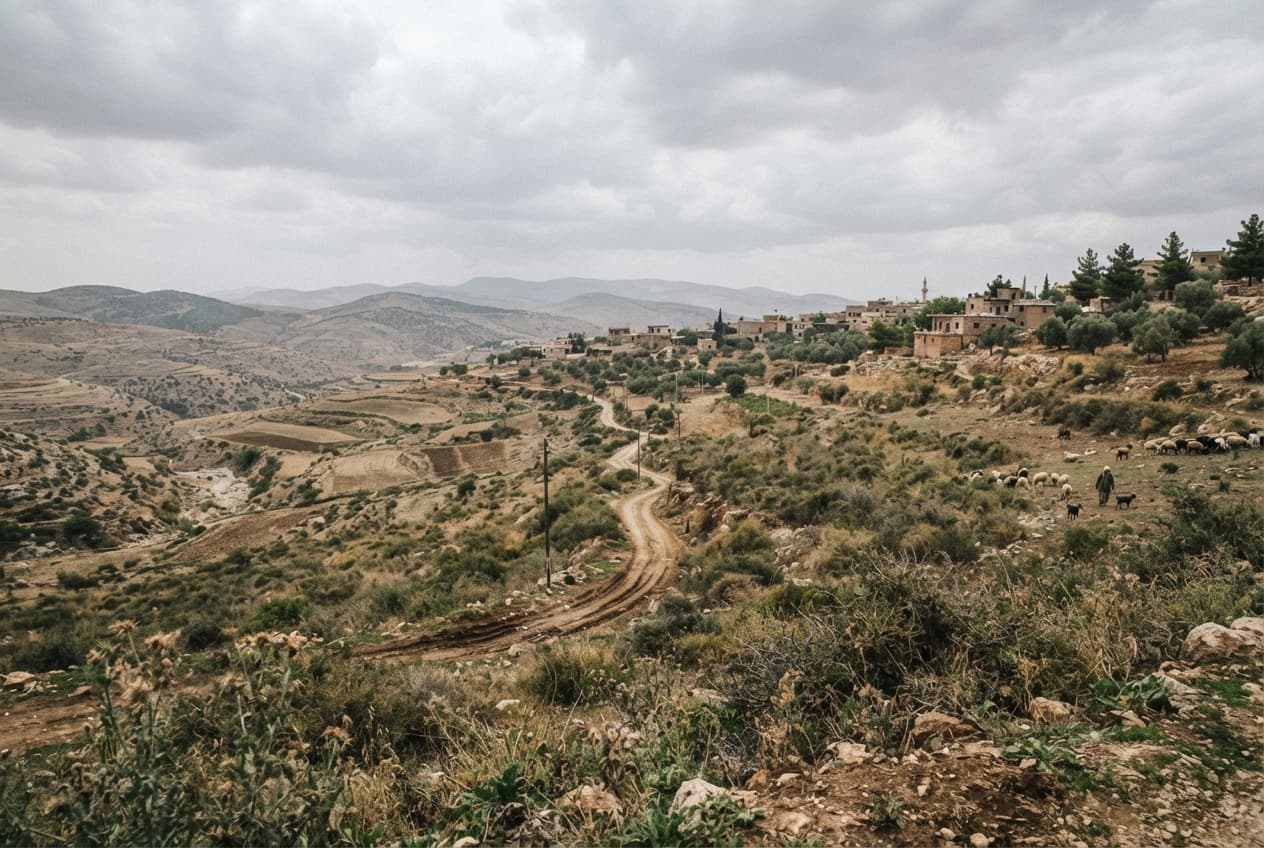
AI Image Disclaimer: Images accompanying this report are AI-generated artistic interpretations of somber landscapes and abstract symbols of justice, intended to visualize the context of the story without depicting real victims, graphic violence, or specific individuals.
Sources: NBC News, AP News, The New York Times, Al Jazeera
Note: This article was published on BanxChange.com and is powered by the BXE Token on the XRP Ledger. For the latest articles and news, please visit BanxChange.com