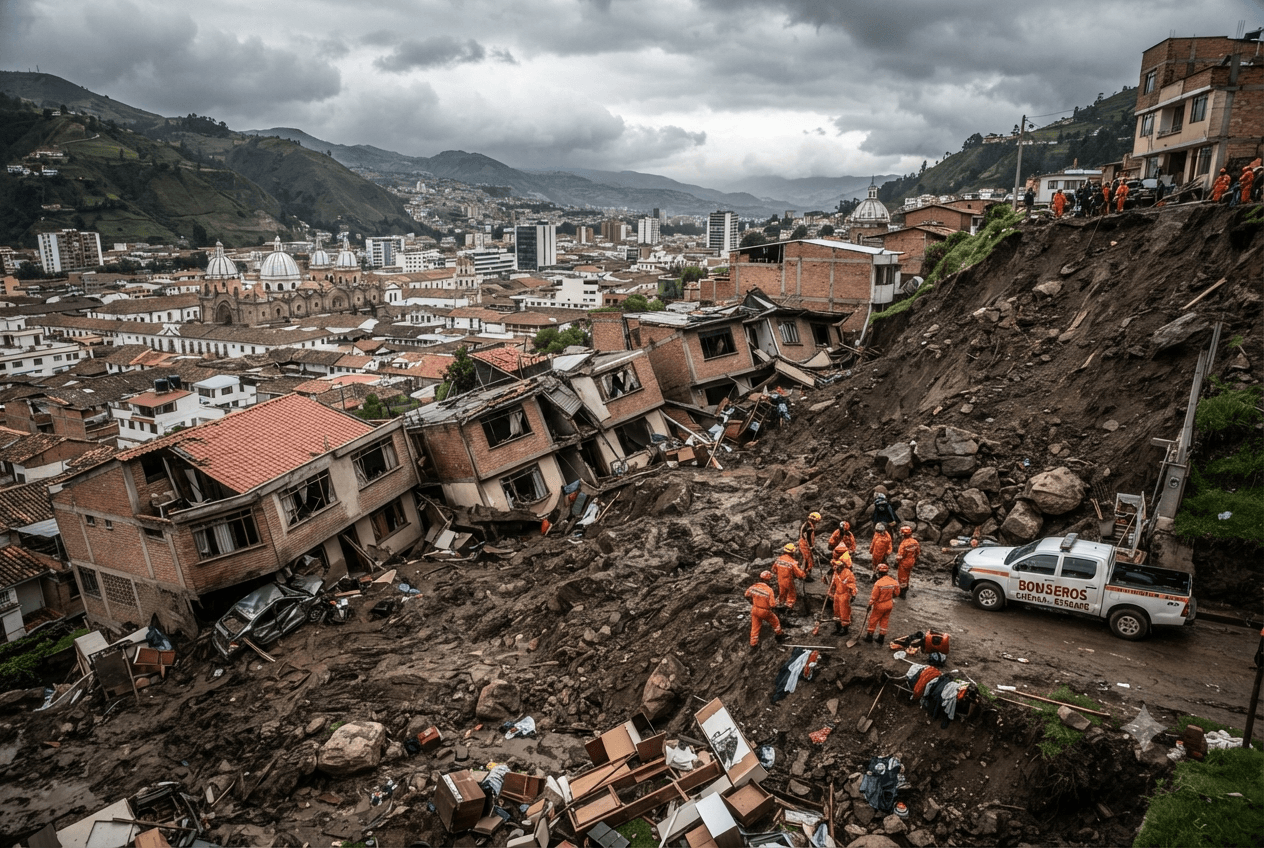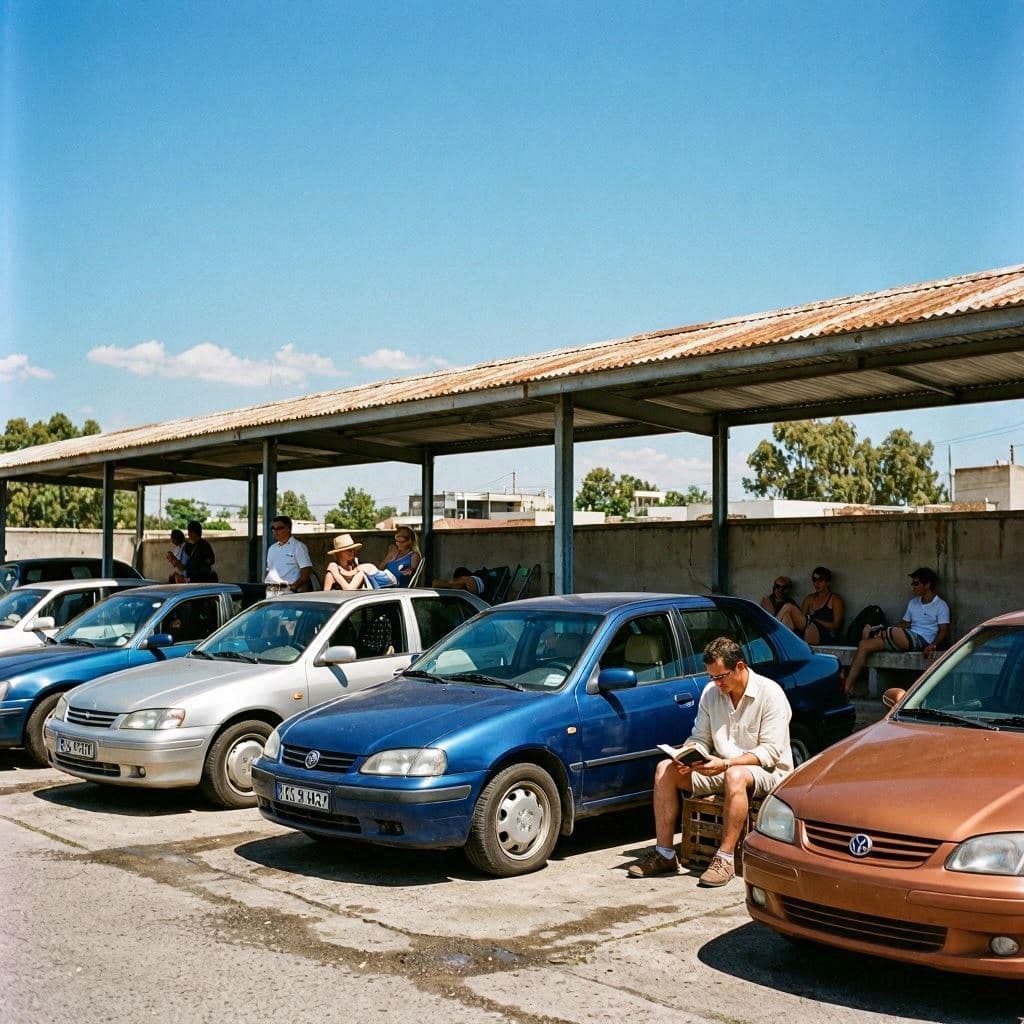
In the aftermath of disaster, the search for safety often leads to makeshift shelters and uncertain comforts. In southwestern Japan, following a powerful earthquake that struck earlier this week, thousands of survivors have found refuge in their vehicles. As the death toll climbs to 34, a new challenge has emerged: a sweltering heatwave that turns cars into ovens and exacerbates the suffering of those already reeling from loss. This dual crisis of seismic destruction and extreme weather highlights the vulnerability of communities facing compound disasters.
The magnitude 7.1 earthquake, which hit Kyushu island, caused widespread damage to buildings, roads, and infrastructure. Many homes were rendered uninhabitable, forcing residents to flee to evacuation centers or stay in their cars. However, with evacuation facilities overwhelmed and temperatures soaring above 38°C (100°F), many chose the relative privacy of their vehicles, despite the risks. The heat inside parked cars can become deadly within hours, posing a severe threat to the elderly and children.
Emergency services are struggling to cope with the scale of the disaster. Rescue teams are working around the clock to search for survivors in collapsed structures, including a shopping mall and a paper factory. The heat adds a layer of complexity to their efforts, requiring frequent breaks and hydration to prevent heatstroke among responders. The physical and emotional toll on first responders is immense, as they navigate debris under the blazing sun.
Water and electricity outages have compounded the difficulties. Without air conditioning or access to clean drinking water, survivors face dehydration and heat exhaustion. Local authorities are distributing ice packs and water, but supplies are limited. Community groups and volunteers are stepping in to help, setting up misting stations and providing shade, but the demand far exceeds the available resources.
The human cost of the earthquake is profound. Families have lost loved ones, homes, and livelihoods. The trauma is compounded by the physical discomfort of the heat, making rest and recovery difficult. Psychological support services are being deployed, but the immediate need for basic survival needs takes precedence. The sense of uncertainty is palpable, as people wonder when normalcy will return.
Government officials have declared a state of emergency, mobilizing military and civilian resources to aid in relief efforts. Prime Minister Fumio Kishida has promised full support, emphasizing the priority of saving lives and restoring infrastructure. However, the logistical challenges are significant, particularly in remote areas where roads have been damaged by landslides triggered by the quake.
International aid has been offered, with neighboring countries sending expert teams and equipment. This global solidarity underscores the shared vulnerability to natural disasters and the importance of cooperative response mechanisms. Japan’s advanced disaster preparedness systems are being tested, providing valuable lessons for other seismic zones around the world.
As the days pass, the focus shifts from immediate rescue to longer-term recovery. Temporary housing units are being constructed, and plans for rebuilding are underway. However, the memory of the heat and the quake will linger, shaping the community’s resilience and approach to future risks. The experience serves as a stark reminder of the interconnectedness of environmental hazards.
The survivors of the Kyushu earthquake face a difficult journey ahead, battling both the aftershocks of the quake and the intensity of the summer heat. Their resilience in the face of such adversity is a testament to the human spirit, even as they await the restoration of safety and comfort.
AI Image Disclaimer: Please note that the images in this piece are AI-generated illustrations created to depict the themes of disaster relief and extreme weather conditions.
Sources: PBS NewsHour, Reuters, France 24, Dallas Express
Note: This article was published on BanxChange.com and is powered by the BXE Token on the XRP Ledger. For the latest articles and news, please visit BanxChange.com