
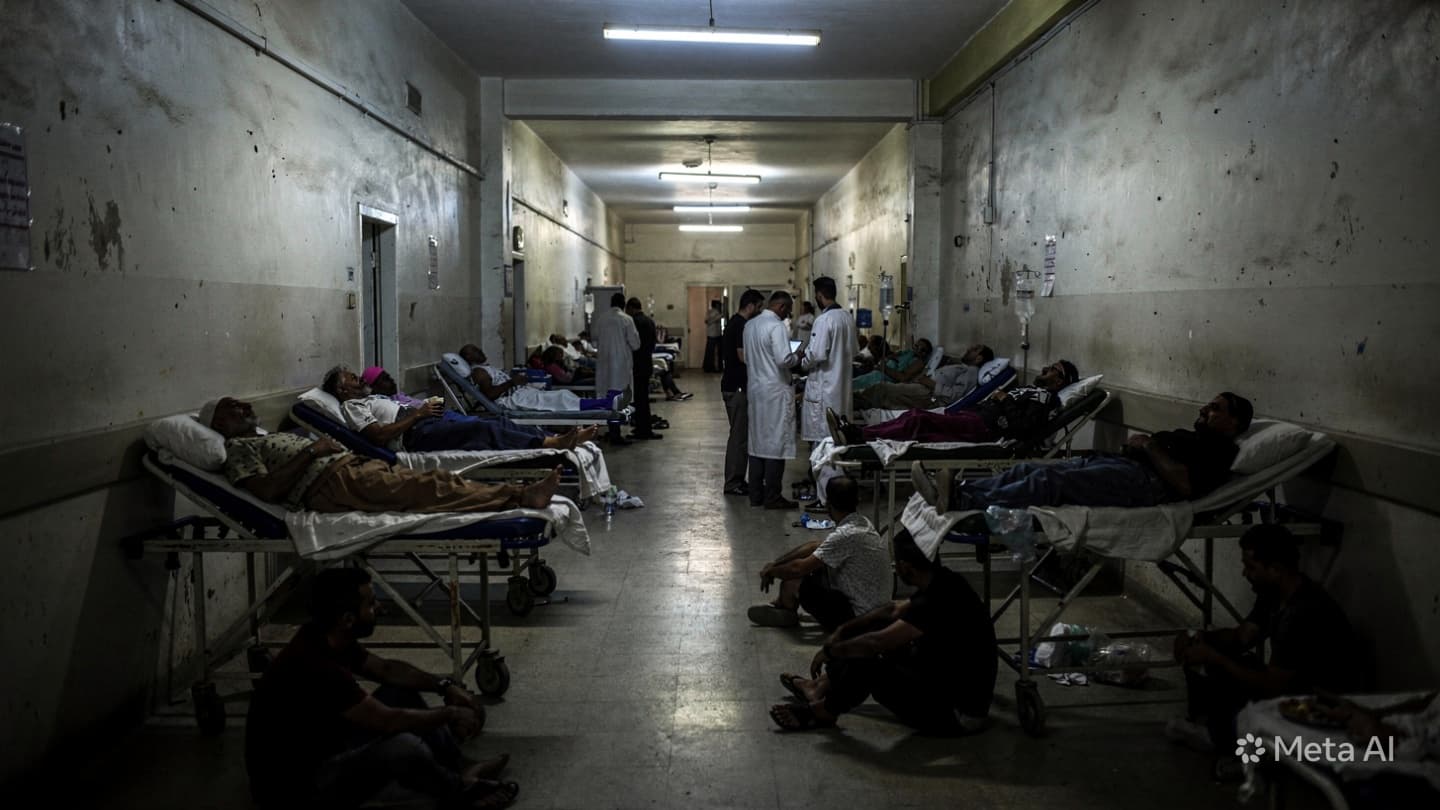
Beirut, Lebanon—Hospitals across Lebanon are reporting critical shortages of life-saving medical supplies as repeated damage to national infrastructure cripples the country’s healthcare network. The situation is increasingly desperate in southern districts, where facilities are overwhelmed by a surge of patients while struggling to keep basic power and water systems functional. Doctors are now forced to reuse single-use materials and limit surgical procedures to only the most dire cases.
The supply chain has effectively broken down, with trucks unable to traverse cratered roads or reach isolated clinics. Most major hospitals are running on backup generators, but fuel reserves are rapidly depleting. Without a reliable energy source, refrigeration for vaccines and blood banks remains a constant, failing battle. The World Health Organization has expressed alarm, noting that several hospitals are now essentially non-operational.
The pressure on these remaining facilities is mounting daily. Patients are facing grueling, multi-day delays just to reach a functional emergency room. For the most vulnerable, including pregnant women and newborns, these transit times are often fatal. Staff members who have remained at their posts are exhausted and under-equipped to handle the volume of trauma cases currently pouring in.
Repeated strikes on areas near medical centers have left buildings with shattered windows, destroyed emergency departments, and compromised sterile environments. The damage is not limited to the structures themselves, as hundreds of healthcare workers have been killed or displaced since the conflict intensified. This loss of personnel has left a massive hole in the country’s ability to respond to daily health emergencies.
Public health officials are now warning of a secondary crisis involving the spread of infectious diseases. Crowded shelters, which lack clean water and adequate sanitation, are becoming breeding grounds for communicable illnesses. The risk of outbreaks is rising as the summer heat sets in, putting additional strain on a health system that has already been pushed to its breaking point.
International partners are attempting to coordinate emergency aid, yet logistical hurdles remain nearly impossible to overcome. Transporting cargo through current conflict zones requires guarantees of safety that have rarely materialized. Consequently, much of the promised assistance remains stuck in warehouses or at borders, unable to reach the people who need it most.
Local administration officials stated that they have exhausted their own contingency funds. They remain reliant on the slow arrival of international aid, which is rarely sufficient to cover the gap. The long-term impact on the health sector will likely take years to reverse, assuming the infrastructure damage ceases in the near term.
The staff at one major hospital in Tyre described the current operational status as hanging by a thread. They are currently managing dozens of critical cases in corridors, lacking the beds to accommodate new arrivals. For now, the facility continues to function purely through the willpower of its remaining employees, but officials acknowledge that this status is completely unsustainable.
Note: This article was published on BanxChange.com and is powered by the BXE Token on the XRP Ledger. For the latest articles and news, please visit BanxChange.com