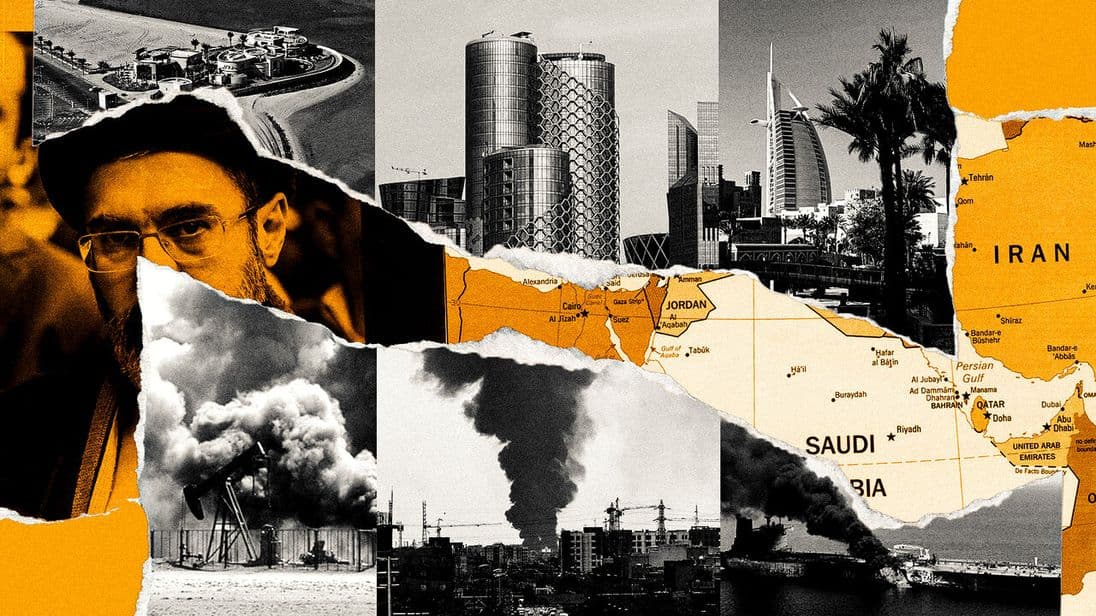
An analysis published by The Economist argues that Gulf nations are likely to face elevated geopolitical and security risks for the foreseeable future despite recent diplomatic efforts to reduce regional tensions. The assessment highlights the complex strategic environment shaped by rival regional powers, maritime security concerns and evolving military capabilities. The article notes that while ceasefires and diplomatic negotiations may reduce immediate conflict, underlying disputes remain unresolved. Competition involving Iran, Gulf Arab states, proxy groups and international powers continues to influence regional stability. One of the most significant concerns involves shipping routes through the Strait of Hormuz, a critical global energy corridor through which a substantial share of the world's oil exports passes. Any disruption to maritime traffic could affect global energy prices, insurance costs and international trade. Governments across the Gulf have responded by increasing investments in missile defense, cybersecurity, intelligence cooperation and critical infrastructure protection. Economic diversification programs are also intended to reduce long-term dependence on hydrocarbon revenues while improving resilience. Energy markets remain particularly sensitive to geopolitical developments in the region. Even isolated incidents involving shipping, pipelines or production facilities can influence commodity prices and financial markets worldwide. The analysis suggests policymakers face three major challenges: maintaining security, sustaining economic transformation and balancing relationships with multiple global powers including the United States, China and Europe. Although diplomatic engagement has improved in several areas, experts generally believe regional stability will require continued dialogue, confidence-building measures and effective crisis management mechanisms to prevent isolated incidents from escalating into broader conflict.
Published by Banx Network. This article is part of the Banx decentralized media programme, powered by the BXE token on the XRP Ledger.