
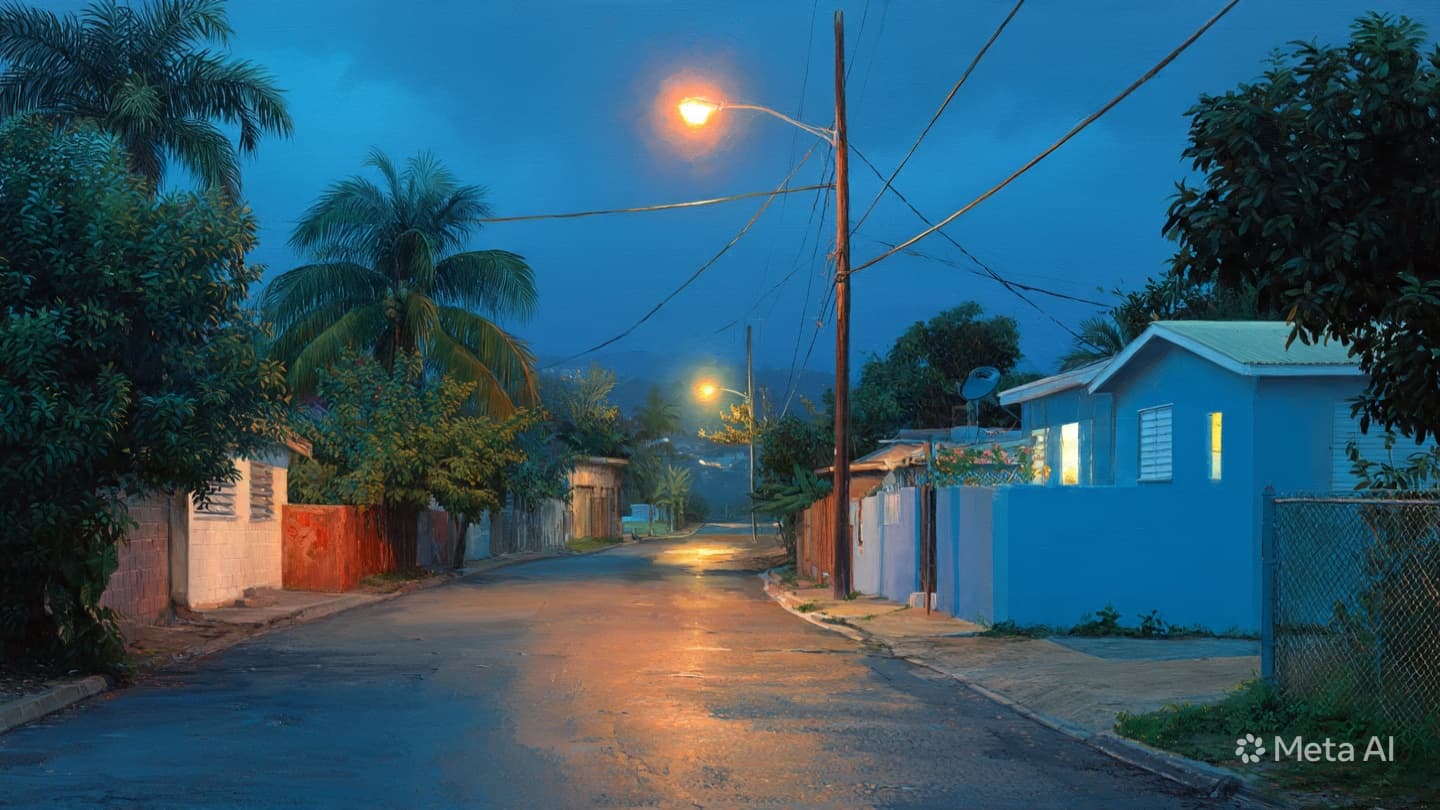
In the coastal vibrancy of Montego Bay, the rhythm of daily life is a blend of tourism, commerce, and the quiet, persistent pulse of residential stability. It is a city that carries the weight of its own significance, a place where the charm of the Caribbean landscape often meets the complexities of a growing urban center. Recently, that rhythm has been marked by a subtle tension, as residents express a need for a more visible and consistent assurance of safety in their neighborhoods.
The call for increased patrols is not merely a reaction to specific incidents, but a reflective desire to restore a sense of equilibrium. There is a palpable longing for the comfort that comes from the sight of law enforcement navigating the streets, a visible sign that the community is not left to fend for itself against the currents of local theft. It is an observation that security is not just an enforcement issue, but an atmospheric one—a feeling of being protected that is essential to the health of any neighborhood.
As residents gather in community forums and local discussions, the theme of visibility dominates the conversation. There is a shared understanding that the presence of patrols serves as more than just a deterrent to criminal activity; it acts as a bridge between the citizenry and the state. It is an acknowledgment that the bond of trust is reinforced when the law is seen to be present, engaged, and attentive to the concerns of those who call the city home.
The challenges facing Montego Bay are similar to those of many growing coastal hubs, where the convergence of different populations creates both opportunity and friction. Theft, in its various forms, creates a sense of violation that ripples outward, affecting not only the immediate victim but the collective confidence of the entire area. The request for more patrols is, in essence, a request to mitigate that ripple, to keep the peace before it is broken by the opportunistic actions of the few.
There is a thoughtful restraint in how these residents are presenting their case, focusing on partnership with the authorities rather than confrontation. It is a plea for resources to be directed toward the places where people live, work, and raise their families. This approach reflects a community that is deeply invested in its own future, seeking to ensure that Montego Bay remains a place where residents can move freely and without the burden of apprehension.
As the authorities consider these requests, the logistics of resource allocation become the focus of the dialogue. It is a complex task to balance the needs of tourism, the demands of the city center, and the quiet requirements of residential districts. However, the residents' call serves as a poignant reminder that the ultimate measure of a city's success is the security and comfort of its most local inhabitants.
The ongoing conversation highlights the delicate nature of urban security, where the perception of safety is just as important as the reality of enforcement. By advocating for increased patrols, the community is articulating its own definition of progress—one where the growth of the economy does not come at the expense of local peace. It is a vision that prioritizes the stability of the home and the security of the street.
As the city navigates this moment, the focus remains on finding sustainable solutions that meet the needs of all stakeholders. The dialogue between the residents and the police is a vital part of this process, ensuring that the strategies employed are responsive to the lived experiences of the people they are meant to serve. In the quiet streets of Montego Bay, the hope is for a future defined by a sense of security that is both visible and enduring.
Note: This article was published on BanxChange.com and is powered by the BXE Token on the XRP Ledger. For the latest articles and news, please visit BanxChange.com