
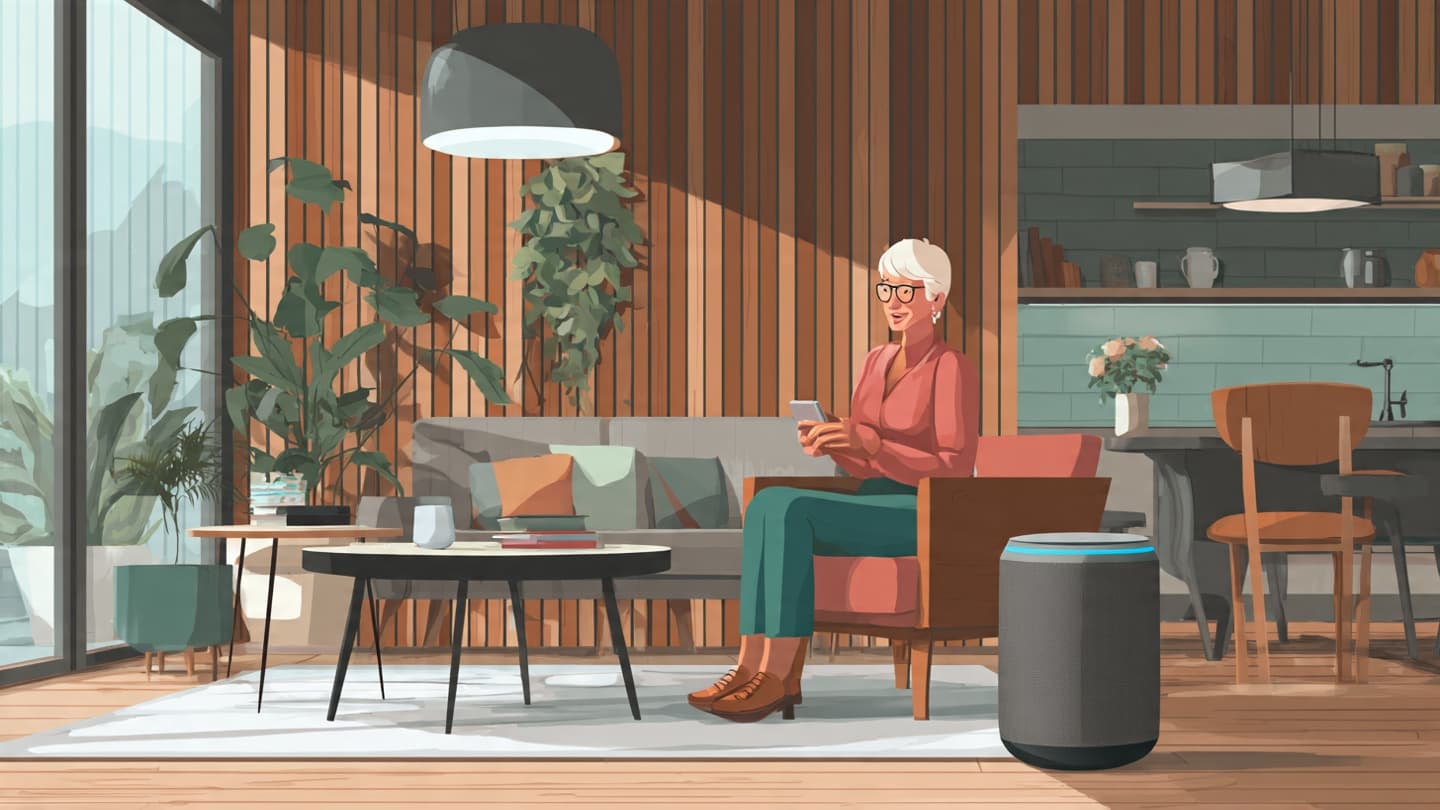
Aging is a journey shared by every society, yet each generation experiences it differently. Advances in medicine have extended life expectancy, while changes in technology continue to reshape daily routines. Increasingly, innovation is not only about speed or efficiency but also about helping people maintain independence and quality of life as they grow older.
Recent developments in technology have focused on addressing practical challenges that many older adults encounter. From health monitoring systems and smart home devices to communication platforms and mobility aids, a growing range of tools is being designed with accessibility and ease of use in mind.
The appeal of these innovations lies in their ability to support everyday living without demanding dramatic changes in routine. Devices can remind users to take medications, monitor vital signs, detect falls, or provide quick access to emergency assistance. Such features offer reassurance not only to individuals but also to families and caregivers.
Smart home technologies have become one of the most visible examples of this trend. Automated lighting, voice-controlled assistants, and connected appliances can help simplify tasks that may become more challenging over time. By reducing barriers within the home environment, these systems contribute to greater comfort and autonomy.
Healthcare remains another important area of development. Remote monitoring tools allow healthcare providers to track certain health indicators without requiring frequent clinic visits. This approach can improve convenience while helping identify potential concerns earlier.
Communication technologies also play a meaningful role. Video calls, messaging platforms, and digital communities make it easier for older adults to stay connected with family, friends, and support networks. Social connection is increasingly recognized as an important factor in overall well-being.
At the same time, developers continue working to improve accessibility. Simpler interfaces, larger displays, voice commands, and intuitive designs help ensure that technology remains approachable for users with varying levels of experience and physical ability.
Experts emphasize that technology is most effective when it complements human relationships rather than replacing them. While digital tools can provide assistance and convenience, family support, healthcare professionals, and community engagement remain essential components of healthy aging.
The growing focus on age-friendly innovation reflects broader demographic changes taking place around the world. As populations age, demand for solutions that support independent living is expected to increase. This trend is encouraging further investment in research and product development.
Ultimately, the goal of these technologies is not merely to introduce new gadgets but to expand opportunities. By helping people remain active, connected, and self-sufficient, innovation can contribute to a future in which longer lives are accompanied by greater quality of life and personal choice.
AI Image Disclaimer Images in this article are AI-generated illustrations, meant for concept only.
Source Check Credible sources available:
The Washington Post Reuters MIT Technology Review AARP Mayo Clinic
Note: This article was published on BanxChange.com and is powered by the BXE Token on the XRP Ledger. For the latest articles and news, please visit BanxChange.com