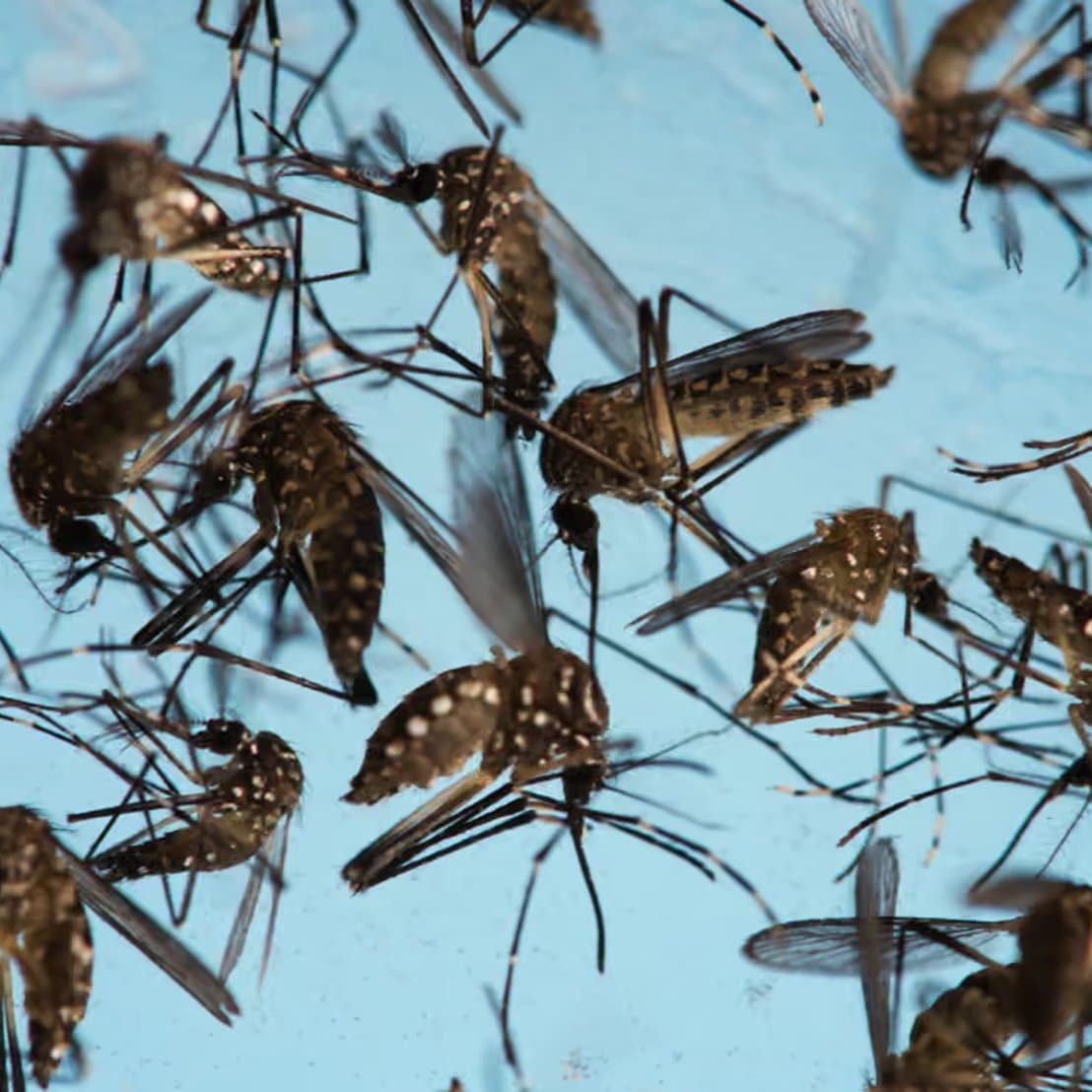
A proposal involving the release of millions of mosquitoes across parts of Florida and California has sparked intense discussion after reports indicated that Google-backed biotechnology efforts are seeking regulatory approval for the program. The initiative involves mosquitoes carrying Wolbachia bacteria, a naturally occurring microorganism that prevents the insects from successfully reproducing with wild populations. Scientists believe the approach could significantly reduce mosquito numbers over time without relying heavily on chemical pesticides. Mosquito-borne diseases remain a major public health challenge in many regions. Traditional control methods often involve insecticides, habitat management, and public awareness campaigns. Researchers argue that biological approaches could provide a more sustainable long-term solution. Supporters say Wolbachia-based programs have already shown promising results in several countries. By targeting reproduction rather than killing insects directly, the method aims to reduce mosquito populations while minimizing environmental impact. However, the proposal has generated concern among some members of the public. Critics question the long-term ecological consequences and argue that further testing and transparency are needed before large-scale deployment occurs. Regulators are expected to evaluate scientific data, environmental assessments, and public feedback before making a final decision. The review process reflects the growing complexity of balancing innovation with environmental responsibility. The debate extends beyond mosquitoes. It highlights broader questions about biotechnology, genetic interventions, and the role of private companies in developing solutions to public health challenges. As scientific capabilities continue to advance, policymakers and communities will increasingly face difficult decisions about how such technologies should be deployed.
Published by Banx Network. This article is part of the Banx decentralized media programme, powered by the BXE token on the XRP Ledger.