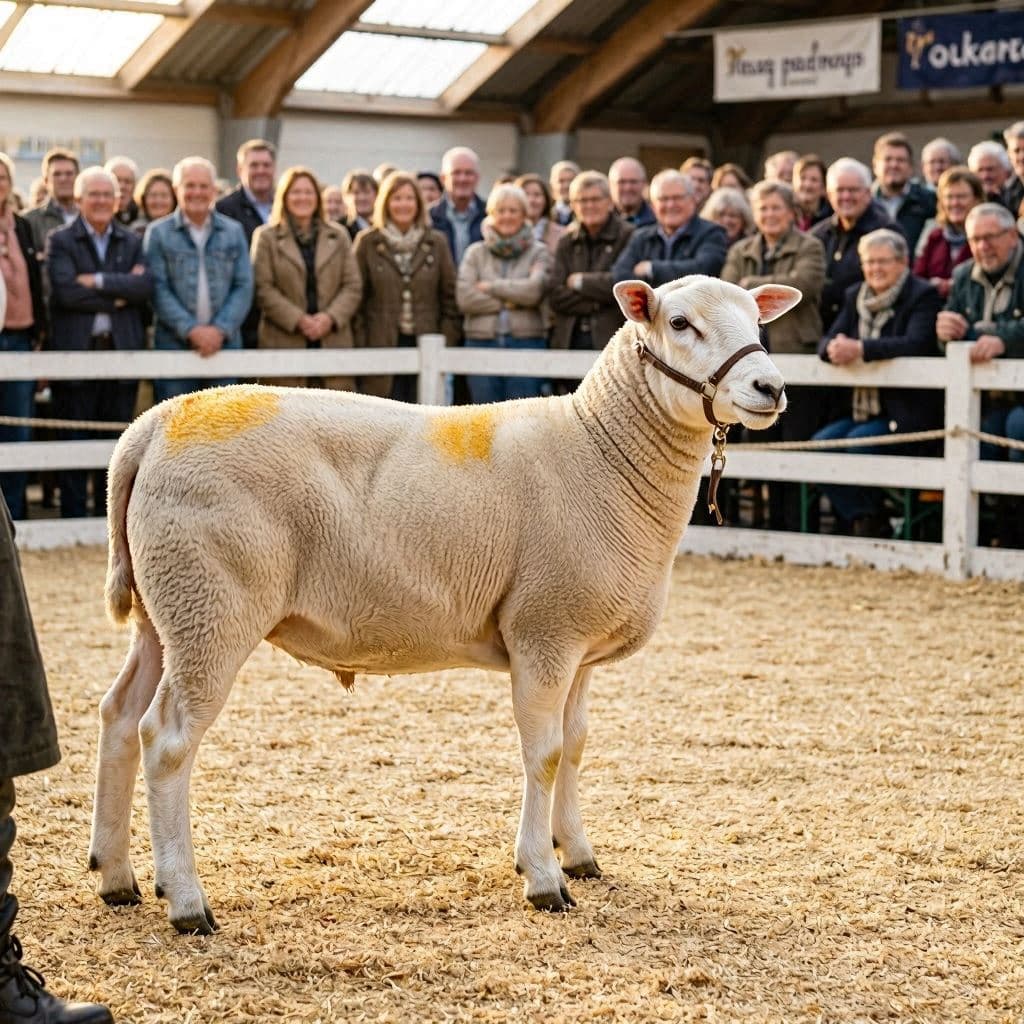
In the pastoral traditions of rural Britain, the agricultural show is a celebration of heritage, skill, and community. Among the many competitions, the judging of livestock stands out as a rigorous assessment of breeding excellence. Recently, a peculiar trend has emerged: the use of fake tan on sheep to enhance their appearance in the show ring. This practice, while controversial to some, highlights the intense competition and the lengths to which farmers will go to secure prestige and prize money. It is a blend of tradition and modern vanity.
Body: Sheep shows are serious affairs, where animals are judged on conformation, wool quality, and overall presentation. A healthy, golden fleece is often associated with vitality and good care. To achieve this ideal look, some handlers have turned to cosmetic sprays, applying a light bronze hue to the sheep’s wool. The goal is not to deceive judges about the animal’s health but to accentuate its features and make it stand out in a crowded field.
The use of these products has sparked debate within the farming community. Purists argue that the natural state of the animal should be the sole criterion for judgment, viewing artificial enhancements as a deviation from traditional values. Others see it as a harmless marketing tool, akin to grooming a horse or polishing a car. The distinction between care and cosmetic alteration becomes blurred in the pursuit of perfection.
Judges are aware of the trend and often inspect animals closely to ensure that no rules are being broken. Most agricultural societies have strict guidelines regarding the use of artificial substances, prohibiting anything that might mask defects or alter the natural texture of the wool. The fake tan, if used correctly, is superficial and washes out, leaving the underlying quality of the fleece unchanged.
For the farmers, the stakes are high. Winning a rosette at a major show can significantly increase the value of breeding stock and enhance the reputation of the farm. In a competitive industry where margins can be tight, the prestige of a championship title can translate into tangible economic benefits. The pressure to perform drives innovation, even in areas as traditional as sheep rearing.
The practice also reflects broader cultural shifts in agriculture, where presentation and branding play increasingly important roles. Social media has amplified the visibility of these shows, turning local events into spectacles with wider audiences. The visual appeal of the animals matters more than ever, encouraging handlers to invest in grooming techniques that maximize their impact.
Despite the controversy, the core of the competition remains the quality of the livestock. No amount of spray can compensate for poor breeding or inadequate care. Judges look for structural soundness, muscle definition, and wool density, traits that are inherent to the animal. The fake tan is merely a finishing touch, a subtle enhancement rather than a substitute for substance.
Closing: As agricultural shows continue to evolve, the debate over cosmetic enhancements like fake tan on sheep persists. It is a reminder that even in the most traditional sectors, modern influences find a way in. Whether viewed as clever marketing or unnecessary vanity, the practice underscores the enduring passion and competitiveness of the farming community.
AI Image Disclaimer: Images included here are AI-generated depictions of agricultural shows and livestock grooming, designed to visualize the theme of competition and presentation.
Sources: Farmers Weekly The Telegraph BBC Rural Affairs Country Life Magazine
Note: This article was published on BanxChange.com and is powered by the BXE Token on the XRP Ledger. For the latest articles and news, please visit BanxChange.com