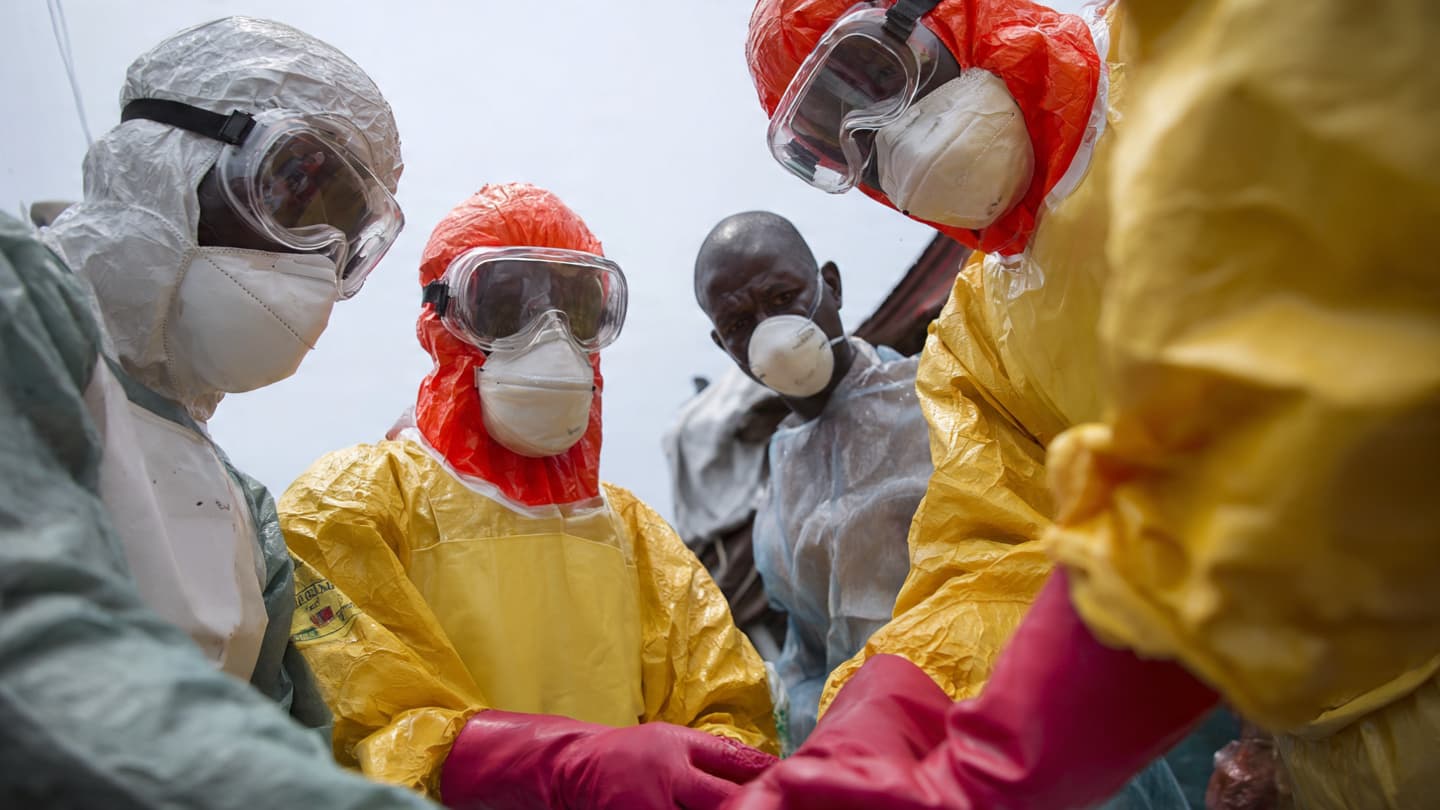
Public health decisions often unfold far from public attention, shaped quietly within government offices, laboratories, and international agreements. Yet during moments involving dangerous infectious diseases, even logistical choices can quickly carry broader political and humanitarian weight. Recent reports that the Trump administration plans to send Americans exposed to Ebola to Kenya have therefore drawn renewed focus toward global disease response systems and international medical coordination.
According to officials and media reports, the proposed plan involves relocating certain Americans potentially exposed to Ebola for monitoring and containment procedures connected to outbreak management efforts. Ebola, a severe viral illness known for causing hemorrhagic fever, has historically required strict isolation and rapid medical intervention to prevent wider transmission.
Health authorities emphasize that exposure does not necessarily mean infection. Individuals who may have encountered the virus are often monitored closely for symptoms during the incubation period, which can last up to several weeks. Early identification and isolation remain central tools in preventing outbreaks from spreading.
Kenya has long played an important role in regional health coordination across East Africa. The country hosts major medical research centers, international aid organizations, and disease surveillance programs that support responses to outbreaks affecting neighboring regions.
The decision has prompted discussion among public health experts regarding international cooperation, quarantine protocols, and the responsibilities countries share during infectious disease emergencies. Modern outbreak management increasingly depends on cross-border coordination involving governments, airlines, laboratories, and humanitarian agencies.
Ebola outbreaks have historically occurred primarily in Central and West Africa. Significant epidemics in recent decades led to expanded investment in vaccines, rapid testing systems, and emergency response infrastructure. While mortality rates remain serious, medical preparedness has improved considerably compared with earlier outbreaks.
Researchers also note that public communication plays a critical role during health crises. Fear and misinformation can spread rapidly during outbreaks, sometimes complicating containment efforts more than the disease itself. Health agencies therefore continue emphasizing evidence-based guidance and transparent reporting.
The broader discussion surrounding the reported relocation plan also reflects how interconnected global health systems have become. Infectious diseases can move across borders quickly through modern travel networks, making international preparedness increasingly important even for countries geographically distant from outbreaks.
Officials involved in the process say monitoring and protective measures are expected to follow established international health protocols designed to reduce risk while supporting medical oversight.
AI Image Disclaimer: Some medical and humanitarian visuals accompanying this article were generated using AI-assisted illustration tools.
Sources: Reuters World Health Organization Centers for Disease Control and Prevention Associated Press BBC News
Published by Banx Network. This article is part of the Banx decentralized media programme, powered by the BXE token on the XRP Ledger.