The global economy, a complex web of interdependence and trade, is currently navigating a storm of geopolitical tension and monetary pressure. The escalation of conflict involving Iran has sent shockwaves through energy markets, while persistent inflation continues to erode purchasing power worldwide. Together, these forces are contributing to a sharp slowdown in economic growth, challenging policymakers and businesses alike. This moment invites a reflective look at the fragility of global stability and the resilience required to weather such compounded crises. It is a time for caution, adaptation, and a renewed focus on sustainable recovery.
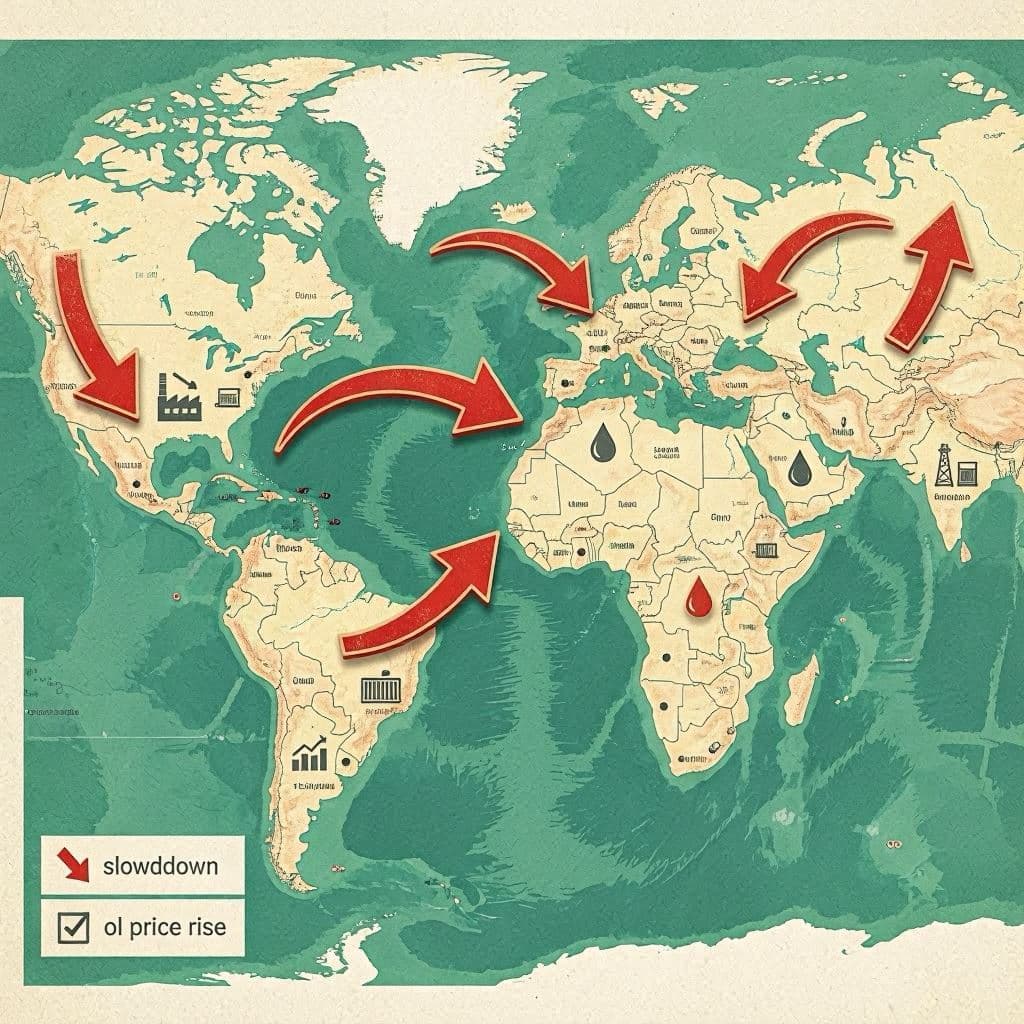
Body: The conflict in the Middle East has disrupted key supply chains, particularly in the energy sector. Oil prices have surged, raising costs for transportation and manufacturing across the globe. For nations dependent on energy imports, this spike acts as a tax on consumption, reducing disposable income and dampening demand. The uncertainty surrounding the duration and scope of the conflict adds a layer of risk that businesses are hesitant to ignore, leading to delayed investments and hiring freezes.
Simultaneously, inflation remains stubbornly high in many major economies. Central banks have responded with aggressive interest rate hikes, aiming to cool demand and bring prices under control. However, these measures also slow economic activity, creating a delicate balancing act. The goal is to achieve a "soft landing," but the risk of a deeper recession looms as borrowing costs rise for consumers and corporations. The cumulative effect is a contraction in growth rates across developed and emerging markets.
Consumer confidence has taken a hit, as households grapple with higher prices for essentials like food and fuel. Spending patterns are shifting, with discretionary purchases being postponed or canceled. This reduction in consumer demand, which drives a significant portion of global GDP, further exacerbates the slowdown. Retailers and service providers are feeling the pinch, leading to cautious outlooks for the coming quarters.
Supply chain disruptions, lingering from previous years, are being aggravated by the current geopolitical instability. Ports face delays, and logistics costs are rising, making it harder for goods to move efficiently. Manufacturers are struggling to maintain production levels, leading to shortages in certain sectors. These bottlenecks contribute to inflationary pressures, creating a vicious cycle that is difficult to break.
Emerging markets are particularly vulnerable, as they often lack the fiscal space to implement stimulus measures. Currency depreciation against the dollar increases the cost of servicing debt, while capital outflows reduce investment. International organizations are calling for coordinated support to prevent a wider crisis, emphasizing the need for debt relief and financial assistance. The global community’s response will be critical in stabilizing these fragile economies.
Despite the challenges, there are signs of adaptation. Companies are diversifying supply chains, investing in renewable energy to reduce dependence on volatile fossil fuels, and adopting more efficient technologies. Governments are exploring fiscal policies to support vulnerable populations while maintaining fiscal discipline. These efforts, though gradual, point toward a more resilient economic structure in the long term.
The path forward requires international cooperation and prudent policy management. Addressing the root causes of inflation and resolving geopolitical conflicts are essential for restoring stability. Until then, the global economy will likely continue to experience headwinds, requiring patience and strategic planning from all stakeholders. The slowdown is a reminder of the interconnectedness of our world and the shared responsibility for its well-being.
Closing: The global economy is facing a sharp slowdown due to the combined effects of the Iran conflict and persistent inflation. Rising energy costs and tight monetary policies are dampening growth and consumer confidence. International cooperation and adaptive strategies are crucial for navigating this challenging period.
AI Image Disclaimer: The images associated with this article are AI-generated interpretations designed to visualize the context of global economic challenges and geopolitical impact.
Sources: International Monetary Fund The World Bank Financial Times The Economist
Published by Banx Network. This article is part of the Banx decentralized media programme, powered by the BXE token on the XRP Ledger.