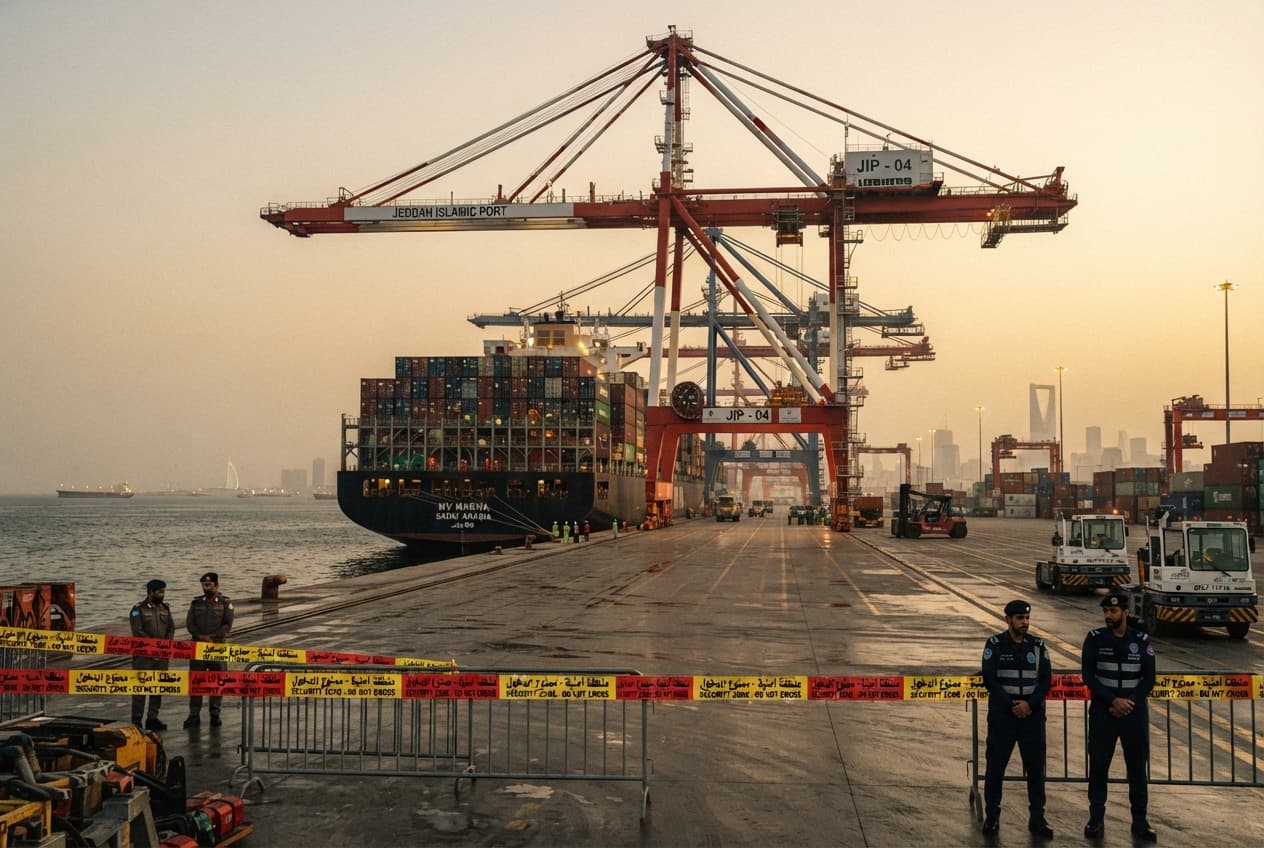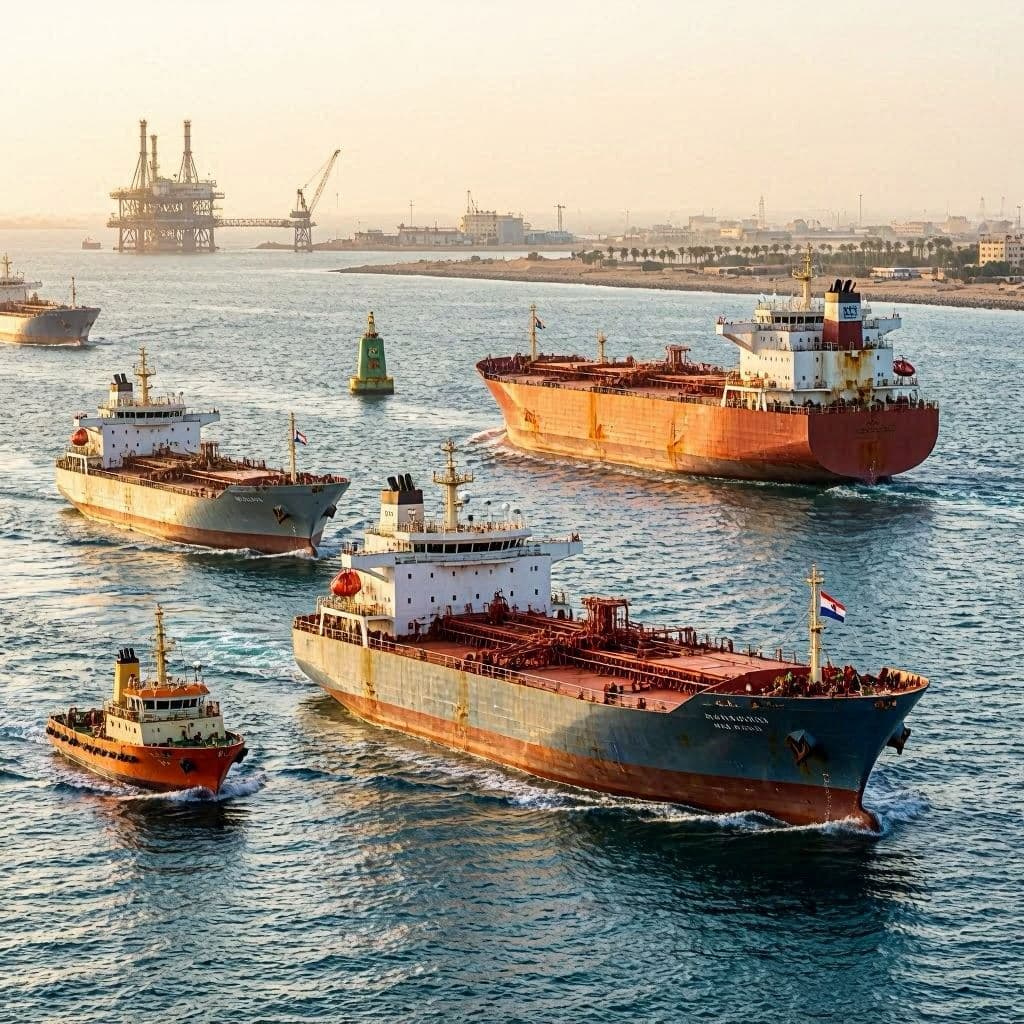
Energy markets often resemble vast oceans, calm on some days and unsettled on others. Across global trading floors, geopolitical developments in distant regions can send ripples through economies thousands of miles away. Few areas illustrate this interconnected reality more clearly than the Middle East.
Recent tensions in the Middle East have once again highlighted the sensitivity of global energy markets to geopolitical events. Although oil supplies have continued flowing through major export routes, traders and policymakers remain attentive to developments that could affect production or transportation.
The Middle East accounts for a substantial share of global oil exports, making regional stability an important factor for international energy security. Events involving strategic waterways, energy infrastructure, or regional security arrangements often influence market sentiment.
Commodity analysts report that oil prices have experienced periods of volatility as investors respond to new information regarding diplomatic negotiations, military developments, and maritime security conditions. Even perceived risks can contribute to price movements.
Governments in energy-importing countries are also monitoring developments closely. Higher energy prices can influence inflation, transportation costs, and household expenses, creating broader economic consequences beyond the energy sector itself.
Energy producers and shipping companies have introduced additional precautions in some areas to ensure the continued movement of supplies. International maritime cooperation has likewise remained an important element in maintaining confidence among market participants.
Economists emphasize that diversification of energy sources and resilient supply chains can help reduce vulnerability to geopolitical disruptions. Many countries continue investing in renewable energy, strategic reserves, and alternative supply arrangements as part of broader energy security strategies.
For now, markets remain focused on diplomatic efforts aimed at reducing regional tensions. While short-term volatility may continue, policymakers and industry leaders are working to ensure that global energy supplies remain stable and reliable.
AI Image Disclaimer: Illustrative images featured alongside this article were created using AI technology for editorial use only.
Sources: Reuters, Financial Times, Bloomberg, International Energy Agency, Associated Press
Published by Banx Network. This article is part of the Banx decentralized media programme, powered by the BXE token on the XRP Ledger.