
Key Highlights
- Investigation:A Glasgow shipping business is being scrutinized for potential links to Russia's shadow fleet.
- Sanctions Evasion:The inquiry focuses on companies that may facilitate oil shipments circumventing international sanctions.
- Broader Implications:The case reflects a shift in sanctions enforcement towards businesses involved in logistics and documentation.
The investigation into a shipping business based in Glasgow has raised significant concerns regarding its potential connections to Russia's so-called 'shadow fleet.' This fleet is believed to play a crucial role in enabling Russia to transport oil while evading international sanctions imposed due to its actions in Ukraine. The inquiry is part of a broader effort by law enforcement and prosecutors to clamp down on networks that facilitate the circumvention of these sanctions.
Authorities are particularly interested in the roles played by companies and intermediaries that provide shipping, brokerage, and related services. These entities may be crucial in arranging logistics for vessels that are suspected of operating under sanctions circumvention networks. The investigation aims to uncover financial and logistical operations that could allow sanctioned oil shipments to continue, despite the international community's efforts to halt them.
Recent reports indicate that the enforcement of sanctions has evolved, moving beyond merely targeting the vessels themselves. Investigators are now focusing on the businesses and individuals involved in the intricate web of cargo routes, documentation, and associated services that support these operations. This shift underscores the complexity of enforcing sanctions in a globalized economy, where numerous players can be involved in facilitating illicit activities.
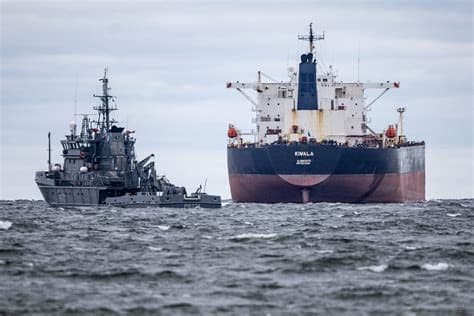
In parallel, European and UK authorities have ramped up their actions against the shadow fleet. Reports have emerged detailing multinational operations aimed at intercepting suspect vessels at sea. These vessels are often held while investigations are conducted, highlighting the increasing pressure on the network that supports Russia's oil transport.
The implications of this investigation extend beyond the immediate concerns of sanctions evasion. It raises questions about the accountability of businesses that may unwittingly or knowingly assist in facilitating illegal activities. As the international community continues to grapple with the consequences of Russia's actions, the scrutiny of shipping companies and their practices will likely intensify.
In conclusion, the investigation into the Glasgow shipping business serves as a critical reminder of the ongoing challenges in enforcing sanctions against Russia. As authorities continue to adapt their strategies, the focus on the broader network of businesses involved in shipping and logistics will be essential in curbing the flow of sanctioned oil.
Published by Banx Network. This article is part of the Banx decentralized media programme, powered by the BXE token on the XRP Ledger.



