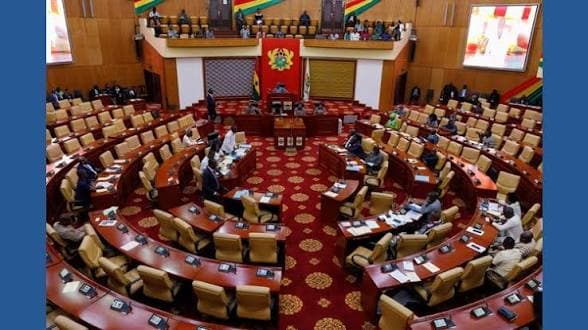
Ghana’s parliament passed the Human Sexual Rights and Family Values Bill, which could make it illegal for individuals to identify as gay, lesbian, bisexual, transgender, or any other non-heteronormative sexual orientation. The legislation, dubbed one of the most repressive in Africa, awaits the signature of President Nana Akufo-Addo to become law.
The bill stipulates prison sentences of up to three years for individuals who identify within the LGBTQ spectrum and extends to five years for those promoting or supporting LGBTQ activities. Notably, the bill already follows existing laws in Ghana that criminalize same-sex relationships, further entrenching the stigma against LGBTQ individuals.
United Nations High Commissioner for Human Rights, Volker Türk, criticized the bill, urging the Ghanaian government to reject it. “Consensual same-sex conduct should never be criminalized,” he stated, emphasizing that the proposed law broadens criminal sanctions against LGBTQ persons simply for their identity.
The proposed bill has its roots in growing anti-LGBTQ sentiments in Ghana, particularly following the opening of the country’s first LGBTQ community center in 2021. Alex Kofi Donkor, director of LGBT+ Rights Ghana, noted that the backlash has included unprecedented levels of violence and discrimination against the community.
The U.S. State Department also expressed deep concern over this development, warning that it threatens constitutionally protected freedoms in Ghana. The bill's potential implementation could undermine Ghana’s longstanding tradition of tolerance and human rights advocacy, raising alarms about the broader implications for fundamental freedoms in the country.
Further complicating matters, civil society voices warn that if the bill is signed into law, it could hinder access to international aid, as financial support may be at risk due to the violation of human rights, specifically around issues of sexual orientation and gender identity.
In summary, the passage of this anti-LGBTQ bill highlights a troubling trajectory for human rights in Ghana, posing significant risks to those who identify as part of the LGBTQ community, and challenging the nation's commitment to international standards of human rights and equality.
Published by Banx Network. This article is part of the Banx decentralized media programme, powered by the BXE token on the XRP Ledger.
.jpg&w=3840&q=75 "Blake Lively Awarded $400,000 in Legal Fees After Justin Baldoni Lawsuit Dismissed")