
Key Highlights
- Total Budget:Germany's federal budget for 2027 is projected at €555.4 billion.
- Defense Spending Increase:Core defense funding will rise to €109 billion, a one-third increase from 2026.
- Economic Context:The budget reflects the need for enhanced security amid ongoing economic pressures.
Germany’s federal government has approved a draft budget for 2027 that includes a substantial increase in defense spending, reflecting the nation’s commitment to enhancing its military capabilities in response to evolving security threats. The total budget is set at approximately €555.4 billion, with new borrowing estimated at around €203.6 billion as part of a medium-term financial strategy extending to 2030.
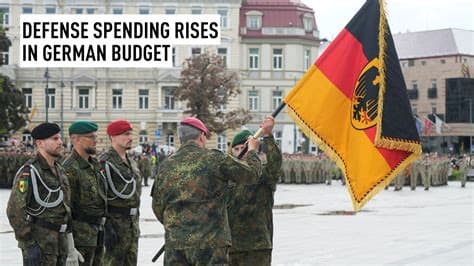
A significant aspect of this budget is the planned increase in funding for the Bundeswehr, Germany's armed forces. Core defense spending is expected to rise to about €109 billion in 2027, up from approximately €82.2 billion in 2026. This represents an increase of roughly one-third, underscoring the government's recognition of the need for robust military investment in light of recent geopolitical tensions.
Finance Minister Lars Klingbeil has been vocal in defending this budgetary approach, emphasizing that Germany cannot ensure its own defense through a balanced-budget policy. He pointed out the necessity of addressing decades of underinvestment in defense capabilities, which have left the military in a vulnerable position. Klingbeil's remarks highlight a shift in policy as Germany seeks to bolster its defense posture amid ongoing conflicts in Europe and beyond.
The budget proposal also includes provisions for supporting Ukraine and other security-related measures, indicating a broader commitment to international defense cooperation. As part of the legislative process, discussions in parliament are expected to commence after the summer recess, with final approval anticipated by the end of the year.
This budgetary decision comes at a time when many NATO allies are also increasing their defense expenditures in response to heightened security concerns. Germany's move is seen as a critical step in aligning its military spending with NATO's defense spending guidelines, which recommend that member countries allocate at least 2% of their GDP to defense.
The implications of this budget extend beyond mere numbers; they signal a strategic pivot for Germany as it seeks to enhance its role in global security. As the nation prepares for parliamentary discussions, the focus will be on ensuring that the proposed increases translate into tangible improvements in military readiness and capability.
In conclusion, Germany's commitment to increasing its defense budget reflects a broader recognition of the changing security landscape in Europe. With the planned rise in funding for the Bundeswehr, the government aims to address past deficiencies and position itself as a more formidable player in international defense matters.
Published by Banx Network. This article is part of the Banx decentralized media programme, powered by the BXE token on the XRP Ledger.



