
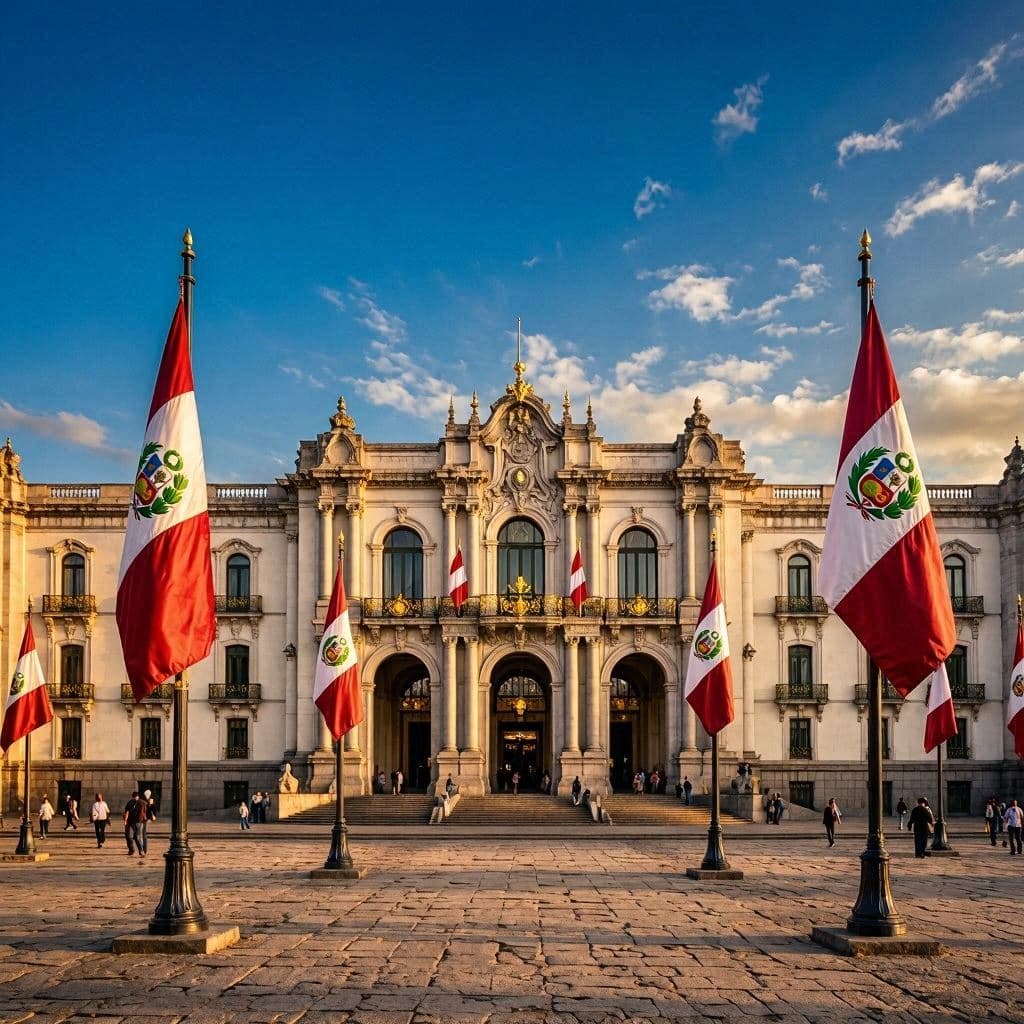
In the high-altitude air of the Andes, where history is etched into stone and memory, political transitions are often as complex as the terrain itself. For Peru, a nation that has navigated the turbulent waters of democracy with resilience, the declaration of Keiko Fujimori as president-elect marks the end of a prolonged period of uncertainty. Weeks after the ballots were cast in a razor-thin runoff, electoral authorities have officially confirmed her victory. This moment is not just a change in leadership but a reflection of a deeply divided society seeking stability amidst polarizing narratives. It invites a quiet contemplation on the nature of democratic endurance and the weight of legacy in modern politics.
Body: The election, held in June 2026, was a contest between Fujimori’s conservative platform and the left-wing agenda of her rival, Roberto Sánchez. The margin of victory was less than one percent, triggering a mandatory review of contested ballots and sparking intense public scrutiny. For weeks, the country held its breath as electoral officials meticulously examined each vote, ensuring that every voice was counted accurately. This process, though slow, underscored the institutional commitment to transparency and the rule of law, even in the face of immense pressure.
Fujimori’s victory is particularly notable given her previous attempts. Having finished second in three consecutive presidential elections, her success this time represents a culmination of years of political maneuvering and coalition-building. Her campaign focused on economic stability, security, and a return to traditional values, resonating with voters weary of social unrest and economic volatility. The result signals a shift toward conservatism in a region that has seen a rise in leftist governments, highlighting the cyclical nature of political trends in Latin America.
The aftermath of the election has been marked by both celebration and protest. Supporters view Fujimori’s win as a mandate for change and a promise of order, while opponents express concern over her family’s controversial political history. Her father, former President Alberto Fujimori, remains a polarizing figure, associated with both economic stabilization and human rights abuses. This legacy casts a long shadow over her presidency, requiring her to navigate a path that acknowledges the past while addressing the present needs of the nation.
Peru’s political landscape is characterized by fragmentation, with no single party holding a majority in Congress. This reality means that Fujimori will need to build broad coalitions to govern effectively. Her ability to collaborate across ideological lines will be tested early, as she faces challenges ranging from poverty and inequality to infrastructure development and environmental protection. The success of her administration will depend largely on her capacity to bridge divides and foster a sense of national unity.
Internationally, the outcome is being watched closely by regional partners and global powers. Peru is a key player in the Pacific Alliance and a significant producer of minerals and agricultural goods. Stability in Lima is crucial for regional trade and investment. Leaders from neighboring countries have extended congratulations, expressing hope for continued cooperation and dialogue. The international community looks to Fujimori to uphold democratic norms and maintain Peru’s role as a responsible actor on the global stage.
As the transition begins, the focus shifts from campaigning to governing. The incoming administration must address the immediate concerns of the populace, including inflation and public safety. Trust in institutions has been eroded by years of political instability, and rebuilding that trust will be a central task. Fujimori’s rhetoric during the campaign emphasized reconciliation and progress, words that must now be translated into tangible actions.
The weeks following the vote were a testament to the patience of the Peruvian people. Despite tensions, the country avoided widespread violence, demonstrating a mature civic culture. The peaceful resolution of the electoral dispute is a victory for democracy itself, proving that even in deeply divided societies, institutions can hold. As Fujimori prepares to take office, the nation looks forward with a mix of hope and caution, ready to write the next chapter of its history.
Closing: Keiko Fujimori’s official declaration as Peru’s president-elect concludes a tense electoral period. Her victory, achieved by a narrow margin, presents both an opportunity and a challenge for a nation seeking stability. As she assumes leadership, the focus turns to governance, coalition-building, and addressing the diverse needs of the Peruvian people.
AI Image Disclaimer: Please note that the visual illustrations accompanying this article are AI-generated representations intended to contextualize the political discussion.
Sources: Reuters Al Jazeera Americas Quarterly Associated Press
Note: This article was published on BanxChange.com and is powered by the BXE Token on the XRP Ledger. For the latest articles and news, please visit BanxChange.com