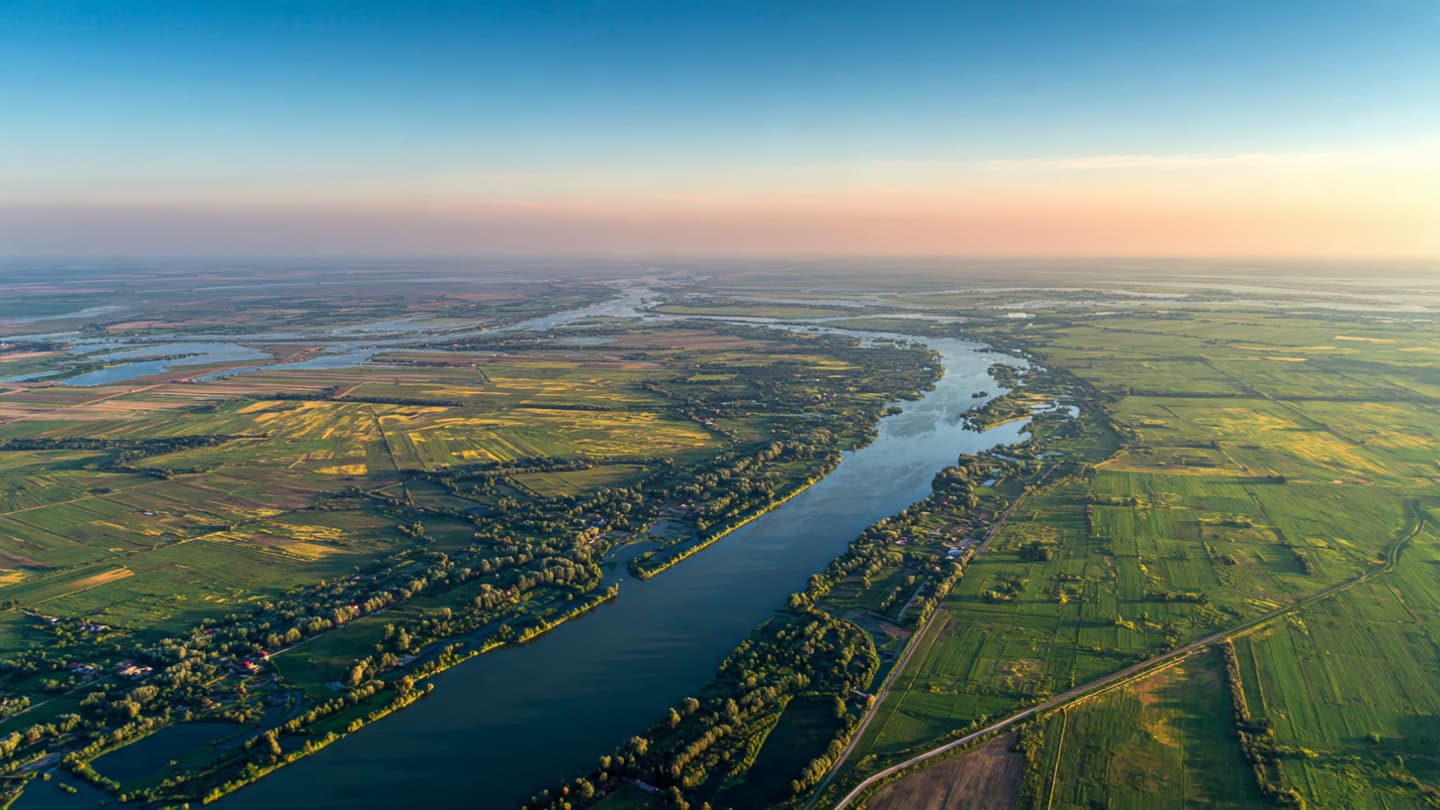
The river moved as it always had, carrying its slow reflections between reeds and villages, tracing a border that on most days felt more geographic than geopolitical. Along Romania’s eastern edge, where the Danube approaches the Black Sea and the horizon often appears wider than history itself, residents awoke to another ordinary morning. Yet in places where wars are visible only as distant flashes across the water, even small pieces of debris can alter the atmosphere.
The object that crossed into Romanian territory was, in physical terms, only a drone. Its journey lasted moments. Its impact left limited material damage. Yet its significance traveled much farther than the fragments found on the ground. In a continent increasingly shaped by the long shadow of Russia’s war against Ukraine, the incident became another reminder that borders are no longer protected solely by distance.
For many Europeans, the war has unfolded through maps, briefings, and images transmitted from cities far away. The front lines remain largely inside Ukraine, but the conflict’s edges have steadily brushed against neighboring countries. Grain routes have shifted. Energy networks have been recalibrated. Defense budgets have expanded. Military exercises have become more frequent. The geography of security has quietly redrawn itself across the continent.
Romania occupies a particularly sensitive place within that landscape. A member of both the European Union and NATO, it sits near the mouth of the Danube and along the western shore of the Black Sea, where commercial shipping lanes intersect with strategic concerns. Since the full-scale invasion of Ukraine, Romanian territory has become an important corridor for trade and humanitarian support, linking inland Europe to a region transformed by conflict.
When drone debris linked to Russian operations landed on Romanian soil, officials responded with a mixture of caution and firmness. Investigations were launched, consultations took place among allies, and attention shifted once again to the practical realities of air defense and border monitoring. The event did not trigger a dramatic escalation. Instead, it produced something subtler: another layer of awareness that modern conflicts rarely remain neatly contained.
The incident arrived during a period when European governments were already reassessing assumptions that had guided the post-Cold War era. For decades, many countries treated large-scale interstate war as a diminishing possibility. Economic integration, expanding institutions, and diplomatic frameworks seemed to offer a degree of predictability. Yet the war in Ukraine has repeatedly challenged those expectations, replacing certainty with vigilance.
Across Europe, investments in defense infrastructure have accelerated. Radar systems have been upgraded. Air-defense capabilities have gained renewed attention. Nations once comfortable with minimal military spending now debate preparedness with greater urgency. These shifts are not solely reactions to dramatic battlefield developments. They are also responses to smaller incidents—the moments that reveal how closely connected regional security has become.
The drone that entered Romanian territory therefore carried more than metal and machinery. It carried a question that many European leaders have confronted since 2022: how should a continent respond when the boundaries between direct involvement and indirect exposure become increasingly difficult to define?
In towns near Romania’s eastern frontier, daily life continues. Ferries cross the river. Trucks move through border checkpoints. Farmers work fields that stretch toward distant horizons. Yet beneath those familiar rhythms lies a heightened awareness that events unfolding beyond the border can arrive with little warning. The distance between observer and participant has become less certain than it once seemed.
As Europe reflects on another episode connected to the war, the practical consequences remain clear. Romania and its allies continue to strengthen surveillance and defense measures, while diplomatic efforts seek to prevent broader escalation. The drone itself may eventually become another entry in a long record of wartime incidents. Its symbolic effect, however, is likely to linger longer.
For many across the continent, the event served as a quiet reminder that confidence is not only built through treaties and declarations. It is also sustained by the belief that borders can provide predictability. When fragments from a distant conflict land on familiar ground, that belief is tested. And in the stillness that follows, Europe finds itself once again measuring the distance between peace and proximity.
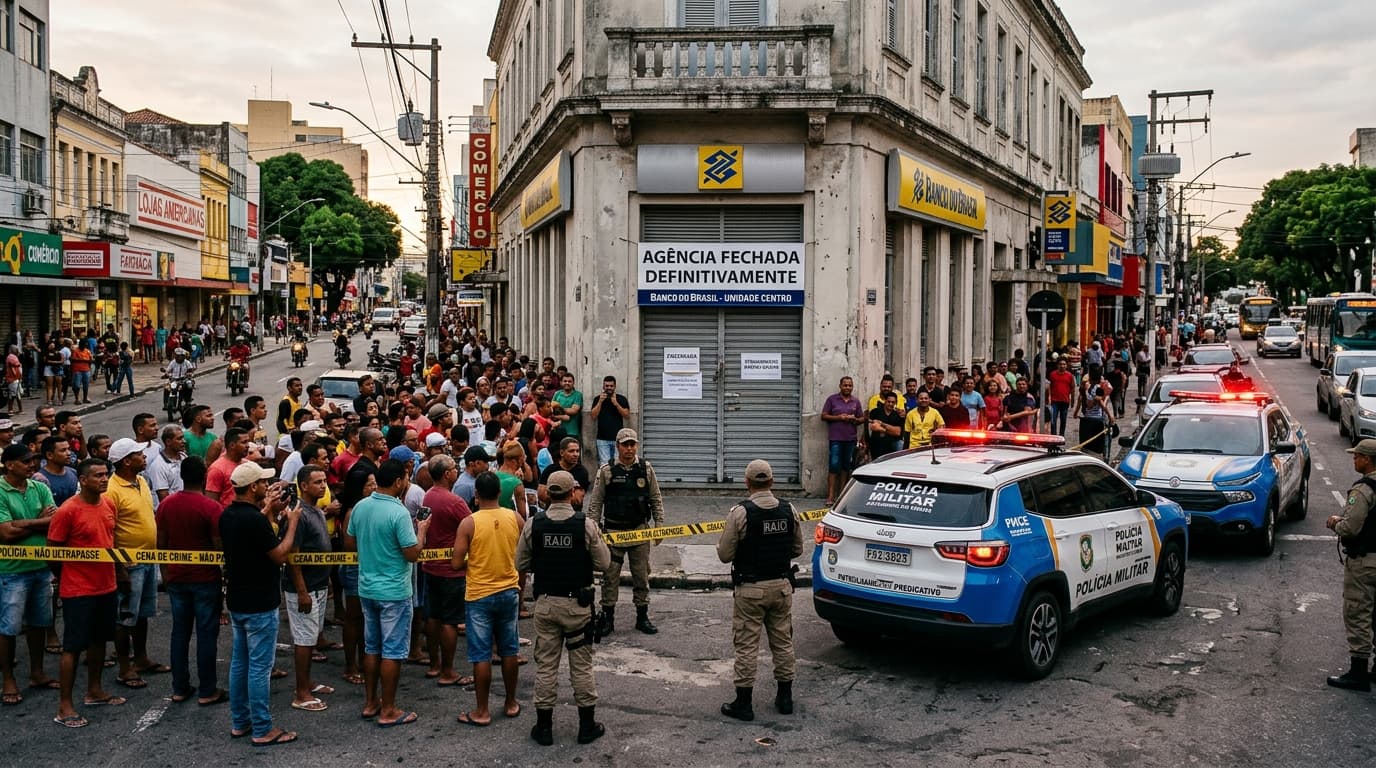
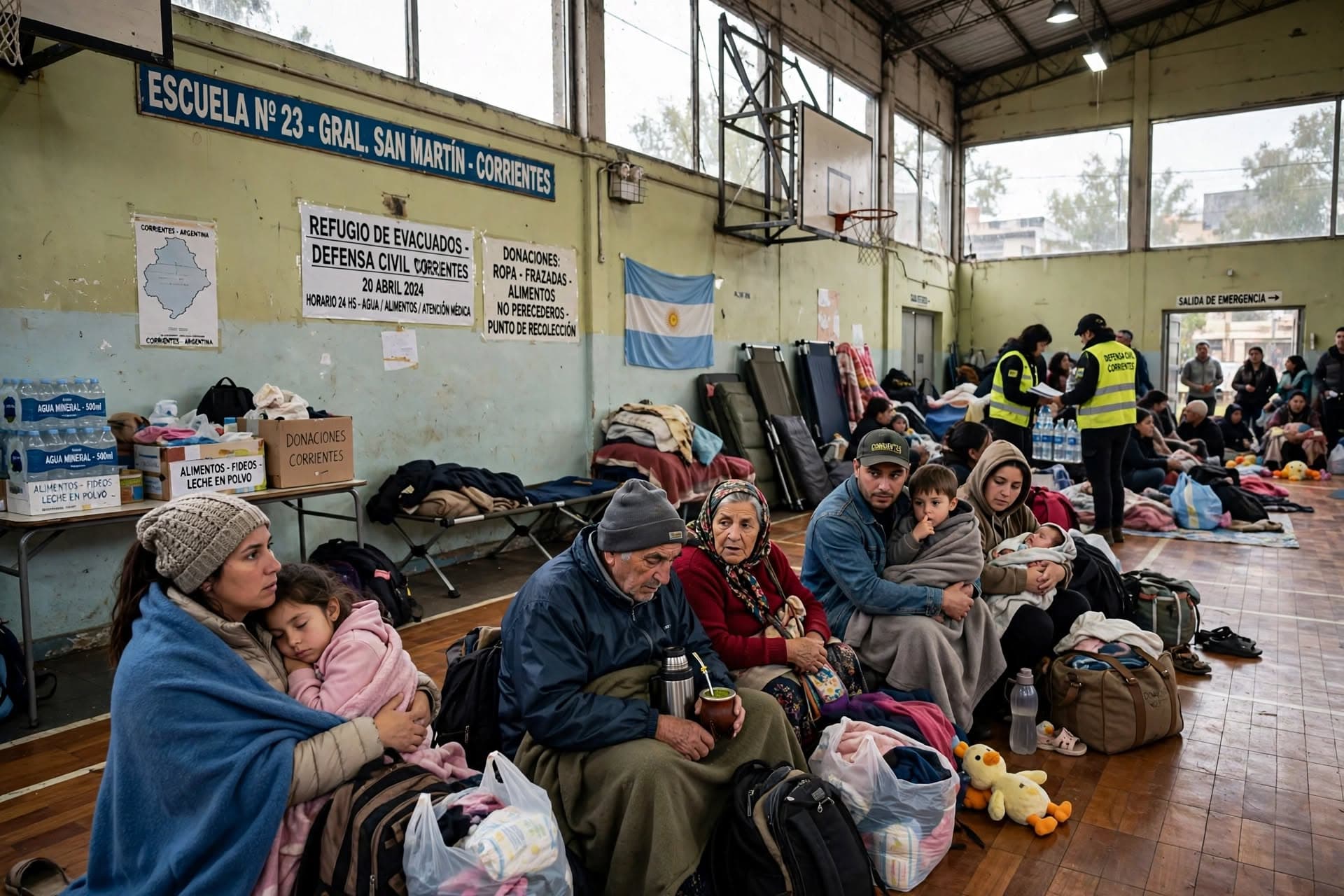
AI Image Disclaimer: Visuals are AI-generated and serve as conceptual representations of the events and locations described.
Sources:
Reuters Associated Press NATO Romanian Ministry of National Defence European Union External Action Service (EEAS)
Published by Banx Network. This article is part of the Banx decentralized media programme, powered by the BXE token on the XRP Ledger.