
The dawn in Ragay, Camarines Sur, often carries the weight of a recent and abrupt transformation. Where once the routine of agricultural life dictated the pulse of the morning, there is now the quiet, watchful stillness of displacement. In the aftermath of the armed encounters that fractured the peace of Barangay Apale and Buenasuerte, hundreds of families have found themselves navigating a reality that shifted in the span of a single afternoon.
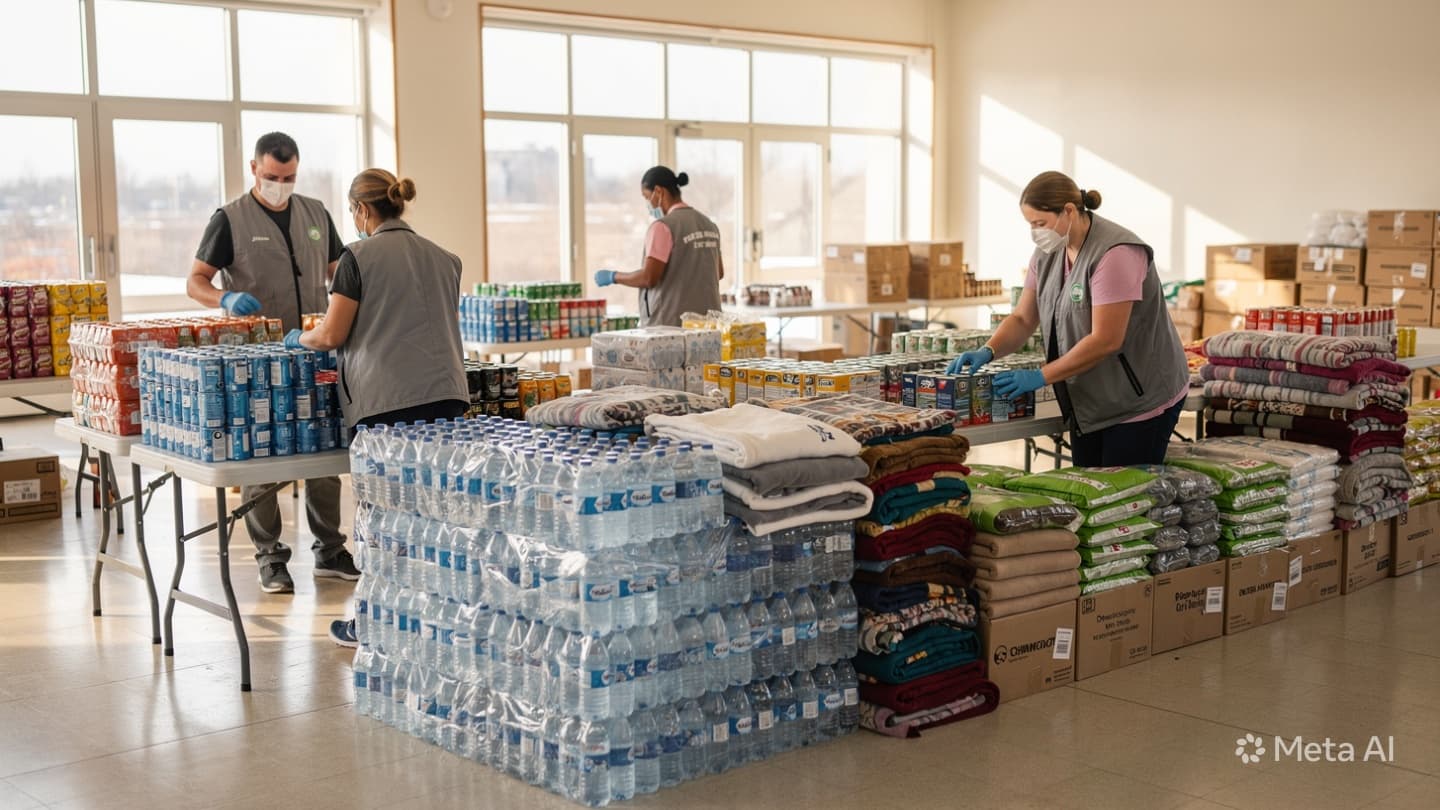
The familiar landscape of home has been replaced by the temporary, communal architecture of evacuation centers, a space where the rhythm of life is measured not by the seasons, but by the steady arrival of relief. Humanitarian operations are now the primary heartbeat of these communities. Teams from the Department of Social Welfare and Development (DSWD) move through the centers with a measured, disciplined grace, their presence providing a necessary anchor in a sea of uncertainty.
These efforts—distributing food packs, monitoring health, and ensuring the basic dignity of those displaced—are more than just logistical tasks. They are a profound, human acknowledgement that even when the machinery of conflict intrudes, the responsibility to care for the vulnerable remains the most critical mandate of the state. There is a reflective, almost meditative atmosphere within these halls.
Families gather, their lives temporarily distilled into the few belongings they managed to carry with them. Conversations are held in hushed tones, often centering on the uncertainty of when a return to the fields will be possible. In this space, the DSWD’s involvement serves as a bridge, connecting the immediate, pressing needs of the present with a cautious, hopeful vision of a stable future.
It is a slow, collaborative process of sustaining life under circumstances that demand immense patience and fortitude. The scale of the displacement, numbering over 700 families, is a stark reminder of the broader impact of insecurity. Every family carries a unique story of departure, a narrative of the moment they realized that safety could no longer be found within their own walls.
To walk among them is to witness the resilience of the human spirit; children find small corners to play, and elders maintain a sense of order amidst the shared, crowded living conditions. These are the quiet, often invisible victories of endurance that define the aftermath of any conflict. Logistics and resource management form the backbone of this response.
With thousands of pesos in aid already mobilized and standby funds ready at the regional level, the system is designed to be as responsive as it is substantial. Yet, beyond the data and the reports lies the reality of the intervention—a warm meal, a clean mat, the assurance of medical oversight. These acts are the quiet, restorative medicine that prevents a temporary displacement from becoming a permanent fracture.
Coordination between the local government units and the DSWD has been instrumental in maintaining the integrity of these relief operations. It is a testament to the effectiveness of localized disaster management when the response is rooted in direct, granular assessment of the affected population’s needs. The profiling of families, the management of camp conditions, and the consistent flow of updates ensure that the support is not just provided, but felt.
As the days turn into weeks, the focus naturally begins to shift toward what comes after. The question of return is a constant, lingering presence in the minds of all who occupy these spaces. It is an editorial reflection on the necessity of peacebuilding that extends beyond the cessation of gunfire, focusing instead on the long-term stabilization of families whose livelihoods have been disrupted.
The surrounding hills remain quiet, and the monitoring of entry and exit points continues, serving as a reminder of the underlying tension that necessitated these movements. Yet, within the evacuation centers, the commitment to safety remains absolute. It is a slow, steady journey toward restoration, marked by the simple, enduring fact that even in the most challenging times, there is a collective will to ensure no one is left alone.
According to the latest DSWD DROMIC reports, humanitarian assistance remains active in Ragay, Camarines Sur, following armed encounters earlier this month. Over 750 families have been affected by the hostilities, with 68 families currently remaining in evacuation centers. The DSWD has facilitated the distribution of food packs and other essential items, with nearly 400,000 pesos in direct assistance provided to date. Regional offices are maintaining standby funds and prepositioned relief supplies to ensure continued support for the displaced population.
Note: This article was published on BanxChange.com and is powered by the BXE Token on the XRP Ledger. For the latest articles and news, please visit BanxChange.com