
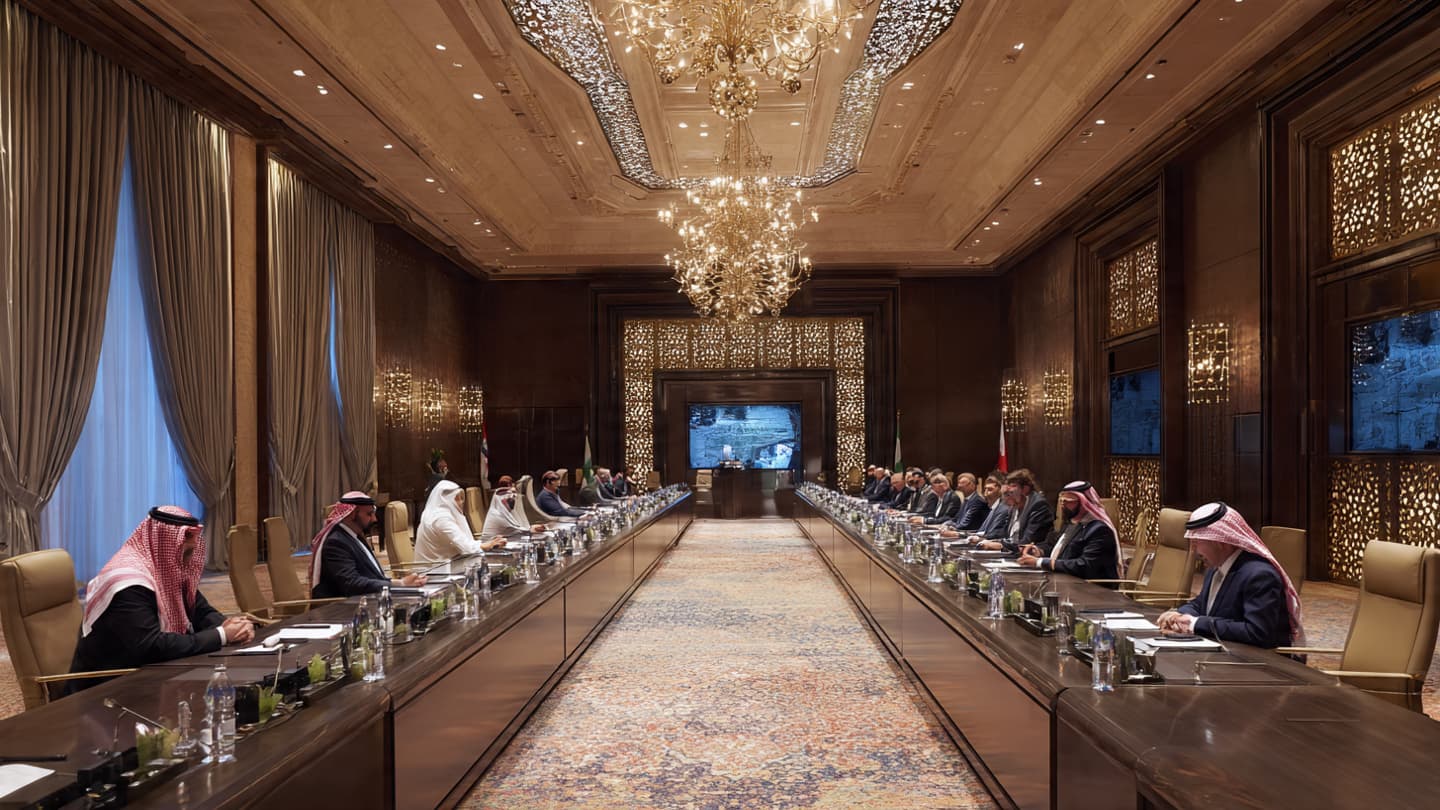
Night in Tehran often carries a strange stillness beneath its noise. Traffic threads through broad avenues, cafés remain open beneath warm lights, and families continue ordinary routines even as headlines from distant front lines drift through television screens and phone notifications. In recent years, the region has learned how quickly calm can thin into tension, and how fragile the language of ceasefire can become once aircraft return to the sky.
This week, Iranian officials sharply condemned recent U.S. military strikes, describing them as a “gross violation” of an already delicate ceasefire arrangement. The remarks reflected growing frustration in Tehran over what leaders there characterize as repeated disruptions to regional stability at a moment when diplomatic channels remain strained and mistrust continues to deepen.
The strikes, carried out amid broader regional tensions, have intensified concerns that fragile understandings between competing powers may once again begin to unravel. Iranian officials warned that such military actions risk widening instability across a region already shaped by overlapping conflicts, proxy confrontations, and unresolved negotiations stretching from the Persian Gulf to the eastern Mediterranean.
In Washington, officials have defended military operations as necessary responses tied to security concerns and regional deterrence. American policy in the Middle East continues balancing multiple objectives at once: protecting allied interests, containing armed groups linked to Iran, and preserving enough diplomatic space to avoid broader escalation. Yet those goals often move uneasily beside one another, particularly during moments when military action interrupts already fragile diplomatic efforts.
For observers across the region, the dispute feels familiar in tone yet increasingly heavy in consequence. The Middle East has long existed within cycles of ceasefires that pause violence without fully resolving its causes. Agreements emerge through negotiation, survive briefly beneath cautious optimism, then encounter new strains from retaliation, political pressure, or shifting military realities on the ground.
Iran’s reaction also reflects the wider symbolic importance of ceasefires themselves. In conflict zones shaped by years of instability, ceasefires are rarely viewed as permanent peace. They function more like temporary shelters — pauses allowing diplomacy, humanitarian relief, and political recalculation to occur beneath conditions that remain fundamentally unsettled.
Across Iran, public attention toward regional events has become intertwined with everyday life. Economic pressures, sanctions, diplomatic isolation, and periodic military crises all shape the national atmosphere in subtle ways. International confrontations no longer feel distant from ordinary routines; they influence fuel prices, internet access, business conditions, and the emotional climate of public conversation.
Meanwhile, in capitals across the region, diplomats continue navigating increasingly narrow spaces for dialogue. Gulf governments watch developments carefully, aware that escalation between Iran and the United States can ripple outward into shipping routes, energy markets, and broader regional security. European officials have repeatedly urged restraint, while international organizations warn against actions that could further destabilize already fragile conditions.
Yet even amid the harshness of official rhetoric, communication rarely disappears entirely. Modern diplomacy often survives through indirect channels, intermediaries, and quiet meetings occurring far from public statements. The language exchanged publicly may sound absolute, but beneath it remain calculations shaped by caution as much as confrontation.
There is also a deeper exhaustion visible across much of the region — a fatigue born from years of unresolved crises layered one upon another. Entire generations have grown accustomed to hearing the vocabulary of escalation: sanctions, retaliation, deterrence, strikes, violations. The extraordinary gradually becomes procedural, folded into daily political life with unsettling familiarity.
As Iran condemns the strikes and Washington defends its actions, the ceasefire itself now appears increasingly fragile, suspended between military pressure and diplomatic necessity. Whether the current tensions harden into broader confrontation or settle once more into uneasy stalemate may depend on negotiations still unfolding behind closed doors.
For now, the skies above the region remain filled with both aircraft and uncertainty. Statements continue emerging from podiums in Tehran and Washington, while ordinary people across the Middle East follow developments with cautious attention shaped by long memory.
And so another chapter unfolds in a region where peace often arrives only temporarily, carried carefully through moments of silence before the sound of conflict returns again across the horizon.
AI Image Disclaimer These illustrations were produced with AI tools and are intended as conceptual visual representations of the events discussed.
Sources
Reuters Associated Press Al Jazeera BBC News The New York Times
Note: This article was published on BanxChange.com and is powered by the BXE Token on the XRP Ledger. For the latest articles and news, please visit BanxChange.com