There are seasons when the landscape seems to hold its breath. In Indonesia, the long dry season has brought that feeling to forests, peatlands and agricultural areas where vegetation has become increasingly vulnerable to fire.
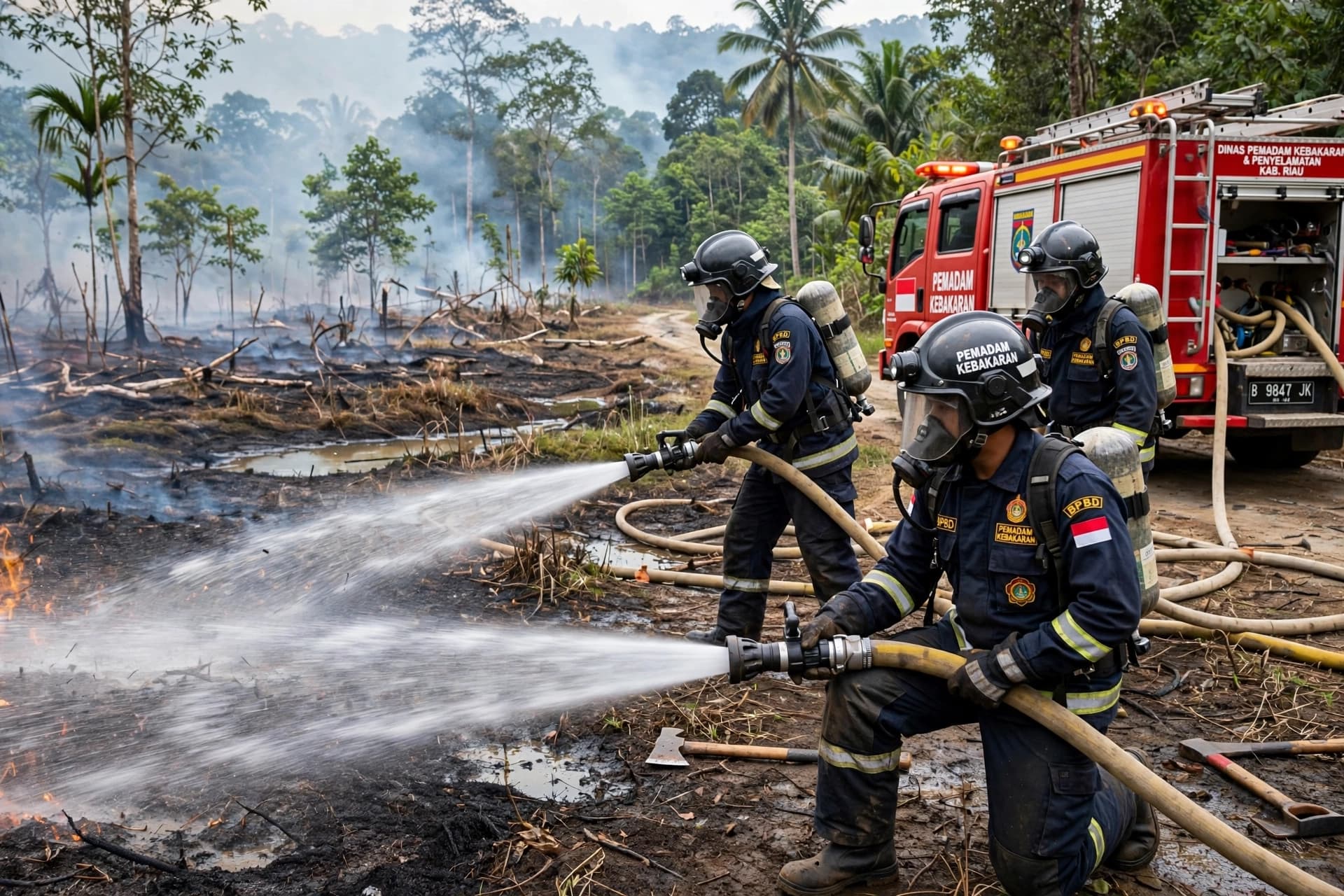
Authorities are now stepping up efforts to contain fires across six priority provinces as unusually dry conditions raise the risk of wider burning. Reuters reported that Indonesia has also deployed aircraft for cloud-seeding operations in an effort to encourage rainfall.
The weather pattern is being influenced by a strengthening El Niño, which is contributing to hotter and drier conditions across parts of the archipelago. Such conditions can leave vegetation more easily ignited and allow fires to spread more rapidly once they begin.
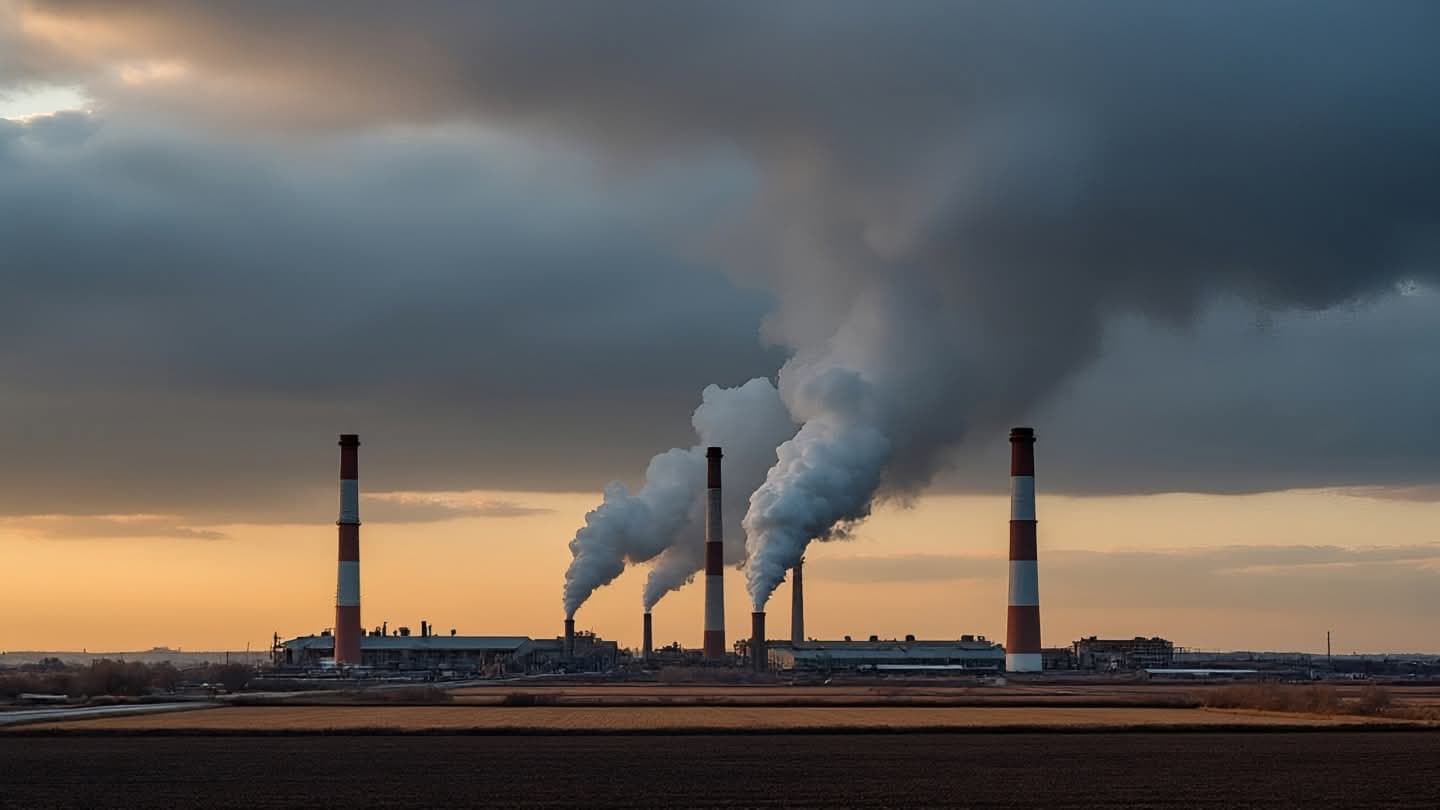
The consequences extend beyond individual fire locations. Smoke can travel considerable distances, creating haze that affects air quality in communities far from the original burning areas.
Indonesia's geography makes the challenge particularly complex. Forests, plantations, peatlands and agricultural areas are spread across thousands of islands, requiring authorities to coordinate responses across large distances.
Peatlands present an especially difficult problem because fires can continue burning beneath the surface even when flames are less visible. Dry weather can therefore allow fires to persist and create new smoke long after an initial outbreak appears to have been contained.
The government has been using cloud seeding as one response, attempting to increase rainfall in areas where suitable clouds are available. The approach depends heavily on atmospheric conditions, however, and cannot guarantee rain whenever firefighters need it.
The current fire season has also placed attention on the relationship between weather and land management. When rainfall becomes scarce, activities that might otherwise carry limited fire risk can become more consequential.
For communities near affected areas, the most immediate concern is often the air itself. Smoke can reduce visibility and make outdoor activities uncomfortable, while prolonged exposure to polluted air can create additional health concerns.
Authorities therefore face two related tasks: suppressing existing fires and reducing the possibility of new ones. The second task becomes increasingly important as the dry season continues and vegetation remains exposed to heat and limited rainfall.
For now, Indonesia's firefighting efforts are continuing across priority provinces while officials monitor weather conditions and haze movement. The coming weeks will depend heavily on rainfall patterns and whether the dry conditions associated with El Niño ease or persist.
AI Image Disclaimer: These visuals were generated with AI as conceptual representations of Indonesia's wildfire conditions and regional haze; they are not photographs of actual fire locations.
Sources: Reuters Indonesia National Disaster Management Agency Indonesian Meteorology, Climatology and Geophysical Agency
Note: This article was published on BanxChange.com and is powered by the BXE Token on the XRP Ledger. For the latest articles and news, please visit BanxChange.com