The Potomac River moves with a calm persistence through Washington, carrying reflections of monuments, bridges, and buildings that have become part of the American civic landscape. Along its banks stands the John F. Kennedy Center for the Performing Arts, a place where orchestras tune instruments, actors prepare for performances, and audiences gather beneath high ceilings designed to celebrate creativity and public life.
Yet even spaces devoted to art are not insulated from the currents of politics.
In recent days, attention turned once again toward the Kennedy Center after a legal ruling resulted in the removal of Donald Trump’s name from a section of the institution connected to previous recognition and honors. In response, Trump stated that he would withdraw from involvement with the center, transforming what might have remained an administrative decision into a broader conversation about symbolism, institutions, and the relationship between politics and cultural life.
The dispute arrives at a moment when public spaces increasingly serve as arenas for debates over identity, recognition, and historical memory. Across the United States, questions about names on buildings, monuments, and institutions have become part of larger discussions about how societies remember public figures and how those memories evolve over time.
The Kennedy Center occupies a distinctive place within that conversation. Established as the nation’s cultural center and named after President John F. Kennedy, the institution has long sought to present itself as a venue where artistic achievement transcends political divisions. Its stages have welcomed performers from around the world, representing a wide range of traditions, viewpoints, and creative disciplines.
Yet cultural institutions rarely exist entirely apart from the political environments that surround them. Funding decisions, board appointments, public recognition programs, and honorary designations can all become subjects of public debate. The result is an ongoing negotiation between artistic missions and civic realities.
For supporters of Trump, the removal of his name may be viewed as an example of political disagreement influencing institutional decisions. For critics, it may represent an effort to align public honors with changing legal or organizational judgments. Between those perspectives lies a broader reflection on how recognition functions within public life and how institutions adapt when controversies arise.
Washington itself provides a fitting backdrop for such debates. The city is filled with memorials, museums, and landmarks that embody competing interpretations of history. Names carved into stone often outlast the circumstances that produced them, yet they are periodically revisited as new generations reconsider their meaning.
The Kennedy Center’s role in American culture adds another layer of significance. While legal disputes and political statements may attract immediate attention, the institution’s daily purpose remains rooted in performance, education, and artistic expression. Musicians continue rehearsing. Students participate in workshops. Audiences purchase tickets for upcoming productions. The routine life of the center persists even as public controversy unfolds around it.
The episode also illustrates how modern political narratives increasingly intersect with cultural spaces. A legal ruling becomes a headline. A public statement generates a response. An institutional decision acquires symbolic meaning beyond its immediate administrative context. What begins as a question of naming can quickly become part of a national conversation about representation, authority, and belonging.
For many observers, the story is less about a single individual or institution than about the evolving nature of public recognition itself. Honors are granted, revised, challenged, and sometimes withdrawn. The process reflects the reality that cultural memory is rarely fixed. Instead, it changes alongside the societies that create it.
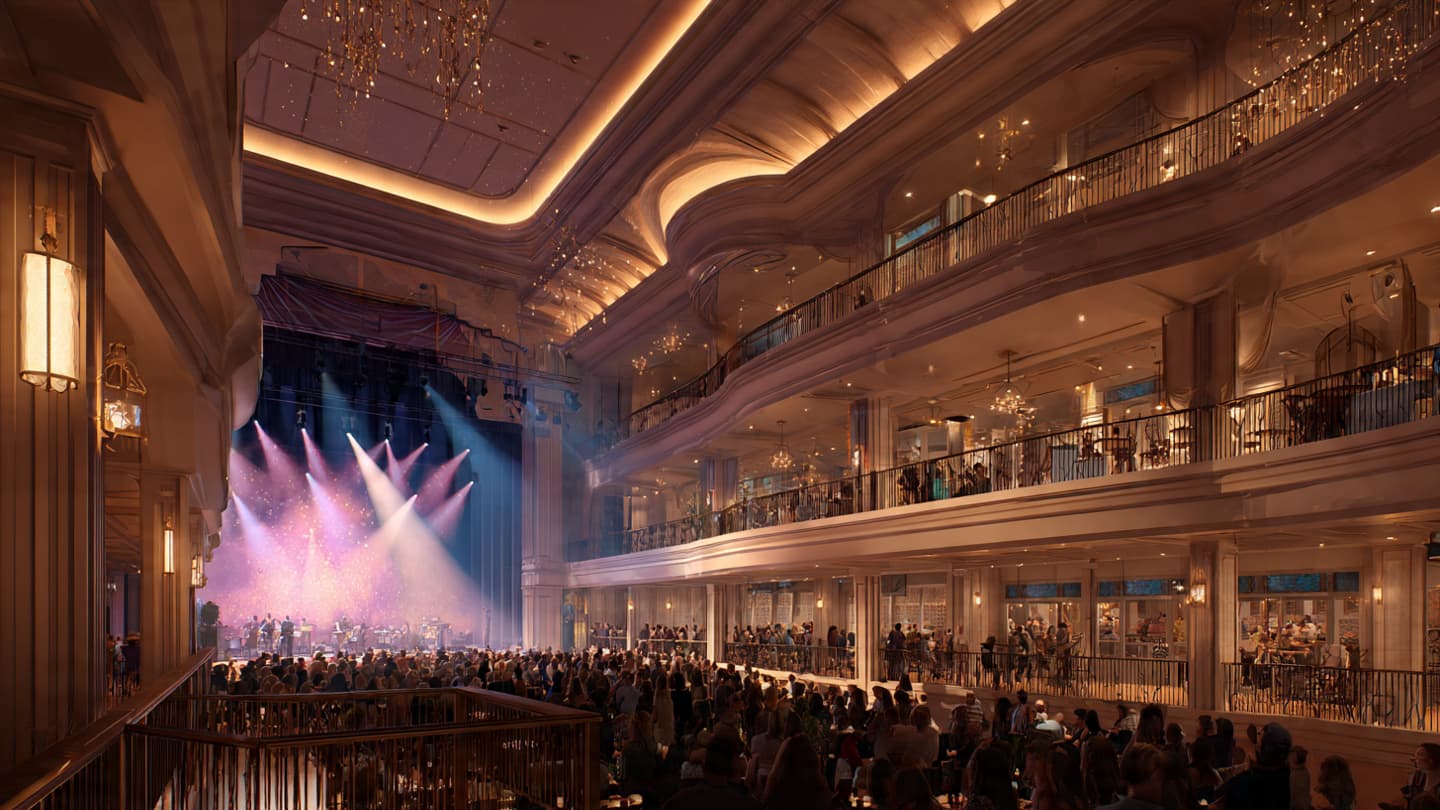
As evening approaches along the Potomac, visitors continue to enter the Kennedy Center’s broad halls. Conversations drift through lobbies overlooking the river. Performers step onto stages illuminated by carefully focused lights. The arts, with their capacity to outlast political moments, continue their steady rhythm.
The facts remain clear. A court-related decision resulted in Donald Trump’s name being removed from a Kennedy Center-related designation, and Trump subsequently stated that he would withdraw from the institution. The legal and political implications may continue to generate discussion, while the cultural landmark itself carries on with its mission.
In the end, the episode becomes another chapter in the enduring relationship between public memory and public life. Names may appear or disappear from plaques, programs, and walls, but the larger questions remain: how societies choose to honor their figures, how institutions navigate controversy, and how history is continually rewritten not only through events themselves, but through the ways those events are remembered.
Along the river, the lights of Washington continue to reflect across the water, shimmering briefly before moving on with the current.
AI Image Disclaimer: Visual representations in this article were generated using AI and are intended for illustrative purposes only; they do not depict actual scenes from the events described.
Sources:
Associated Press Reuters The John F. Kennedy Center for the Performing Arts U.S. Court Records Congressional Research Service
Published by Banx Network. This article is part of the Banx decentralized media programme, powered by the BXE token on the XRP Ledger.

.jpg&w=3840&q=75 "Russia Turns Black Sea Into World’s Deadliest Shipping Route as More Than 570 Ships Are Hit")