
The road is a mirror of our priorities, a reflection of the value we place on the passage of those who carry the burden of our shared prosperity. When that mirror cracks, as it has in the shadow of recent tragedies, the response is often a swift, analytical movement toward investigation and oversight. Yet, beneath the official language of safety standards and regulatory compliance lies a deeper, more profound necessity: the need to ensure that the journey itself is as protected as the work it leads toward.
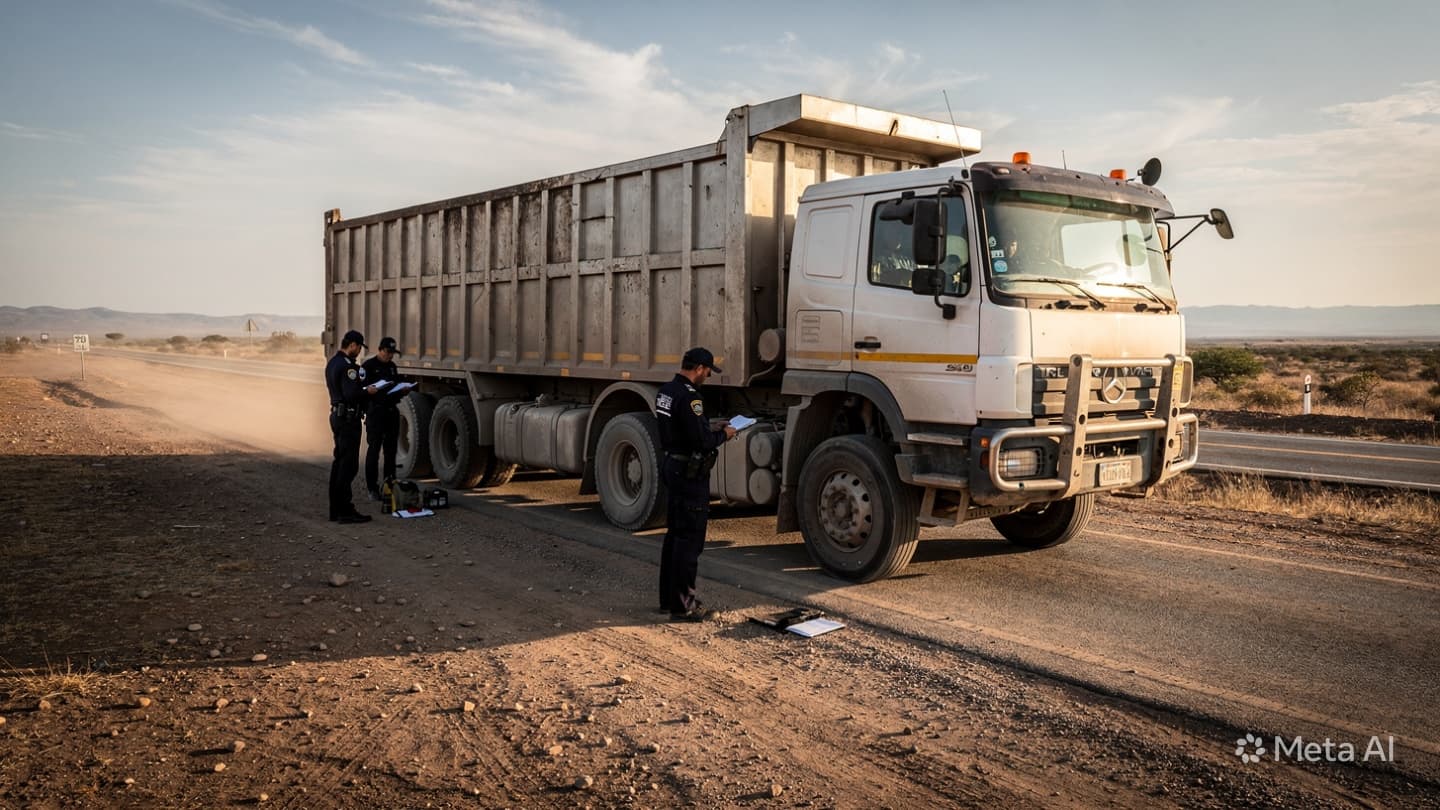
As authorities launch their inquiry into the safety protocols for worker transportation trucks, the atmosphere is one of solemn, necessary reflection. It is an opportunity to peel back the layers of a system that has long been a part of the daily rhythm, often operating in the quiet, overlooked spaces of the industrial morning. This is not just a technical assessment of braking systems or vehicle capacity; it is a wider, existential consideration of how a nation treats the people who fuel its most vital sector.
The process of investigation is inherently methodical, a systematic gathering of facts to understand why the path became perilous. Inspectors examine the physical, tangible realities—the tires, the seating, the frequency of maintenance—but they are also engaging with a social narrative that has reached a breaking point. Every finding is a piece of a larger story about the limitations of current transit, the pressure of deadlines, and the inherent vulnerability of thousands of workers who occupy these vehicles each day.
There is a sense of gravity in these official efforts, a recognition that the status quo has been fundamentally challenged. To move forward requires more than just updated regulations; it requires a shift in consciousness. It asks that those who design the paths and those who manage the transport consider the human cost of every efficiency, the weight of every compromise, and the absolute necessity of safety as a non-negotiable foundation.
The investigation also serves as a point of contact between the governing structures and the people they are meant to protect. In the eyes of the workers, these inquiries are a measure of their own worth. They are looking for a sign that the machinery of the state is capable of bending toward their protection, that the institutions of power are attuned to the risks they navigate in the early, pre-dawn hours of every working day.
As the findings are compiled, the discourse will inevitably touch upon the complexities of the industry—the vast, sprawling network of factories that defines the landscape. It is a challenging, nuanced terrain, one that demands solutions that are both practical and transformative. The hope, whispered in the corridors of inquiry, is that these new standards will eventually become the bedrock of a new, safer way of being.
In the end, the goal is a restoration of the rhythm—not the old, vulnerable rhythm, but one that is steadier, more resilient, and deeply rooted in the protection of life. The investigative process is a form of collective witness, a way of holding the space between what happened and what must be built to prevent its recurrence. It is a transition from shock to structure, from tragedy to a clearer, more intentional path forward.
As the inquiry continues, the roads will remain, and the commute will begin again tomorrow. The work of investigation is quiet, often invisible, but it carries the heavy, essential weight of hope. It is a testament to the belief that the path toward industry can be made safer, that the collective journey of the workforce can be guarded, and that the value of human life is the most important element of the modern, industrial landscape.
Following the tragic road accidents that claimed the lives of 14 workers and injured dozens more, the Ministry of Labor and Vocational Training, alongside relevant traffic authorities, has initiated a formal investigation into the safety standards of vehicles transporting garment workers. The review will focus on the mechanical integrity of current transport trucks, driver licensing requirements, and the feasibility of transitioning to more secure bus-based transit systems. Officials emphasize that this inquiry is aimed at strengthening the regulatory framework to ensure all employers adhere to stricter safety protocols, aiming to reduce the risk of future commuting accidents across the sector.
Note: This article was published on BanxChange.com and is powered by the BXE Token on the XRP Ledger. For the latest articles and news, please visit BanxChange.com