
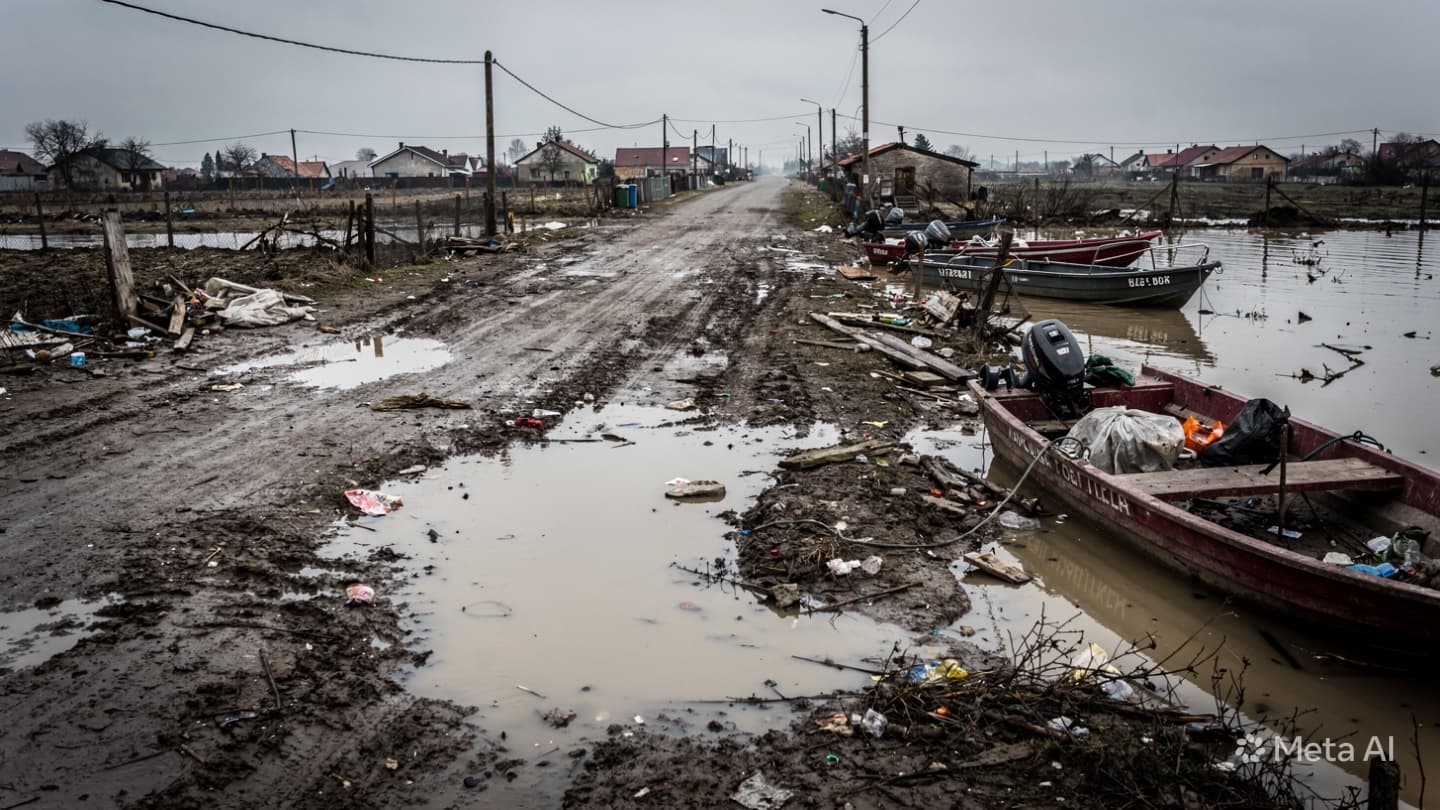
The final stages of an evacuation are often the most quiet, a moment where the frantic, high-energy pace of the rescue effort gives way to a profound, contemplative stillness. In the Pontian district, the completion of evacuation operations marks the end of an intensive period of labor, where rescue teams navigated the complex, water-logged terrain to ensure the safety of every last resident. It is a milestone that brings with it a collective sense of relief, a moment to pause and consider the immense effort that went into protecting the community.
These operations are characterized by a unique blend of technical expertise and raw, human compassion. The rescue teams, often working through the night and under difficult conditions, act as the steady hands of the state, ensuring that the vulnerable are moved to safety without incident. There is a weight of responsibility in this work, a realization that every action taken has a direct consequence on the lives of those they are tasked with protecting.
As the last boats are secured and the teams stand down, there is a palpable shift in the district’s atmosphere. The immediate danger has been addressed, and the focus can now turn to the long, necessary process of recovery. Yet, the memory of the evacuation itself remains—the image of rescue workers wading through dark waters, the sound of engines in the distance, and the quiet, stoic cooperation of the families who left their homes to ensure their own safety.
This conclusion of operations is a testament to the effectiveness of local coordination and the dedication of those who serve on the front lines of disaster management. It highlights the importance of the systems that have been put in place to handle such crises, proving that when the need arises, the community is capable of mobilizing with precision and care. It is an editorial reflection on the necessity of such readiness in an increasingly unpredictable world.
For the residents of Pontian, the completion of these operations represents the start of a new, different challenge: the wait to return. It is a period of reflection, of checking in with neighbors, and of processing the events of the past few days. While the safety of the evacuation center is a necessary refuge, it is never a substitute for the comfort of home. The desire to return is the driving force that now animates the lives of all who have been displaced.
The rescue teams, having completed their immediate duties, now transition to a supporting role, assisting with the logistics of ensuring that the relief centers remain safe and supplied until the water finally recedes. This transition is a subtle one, yet it is essential for maintaining the stability of the displaced community. It is a reminder that the work of relief is not a single, isolated act, but a sustained, thoughtful engagement with the needs of the people.
As we look at the district of Pontian now, the landscape is slowly beginning to stabilize. The high-water marks on the structures tell a story of the power of the recent floods, yet the presence of the community in the shelters is a story of resilience and survival. It is a time for the district to regroup, to learn from the events, and to prepare for the inevitable future, knowing that they have navigated this crisis with courage and collective care.
The completion of the evacuation operations does not mean the end of the crisis, but it does mean that the safety of the residents is now assured. The next steps involve monitoring the environmental conditions and waiting for the official word that it is safe to return to the district’s homes. It is a moment of cautious optimism, a step forward in the long journey of recovery, and a tribute to the dedicated teams who made it all possible.
ReliefWeb reports confirm that rescue teams have successfully concluded all primary evacuation operations within the Pontian district. Following the recent flood event, authorities worked to systematically clear low-lying zones, successfully relocating all remaining residents to designated relief centers. With the evacuation mission completed, emergency teams are now shifting their operational focus toward infrastructure security and the distribution of humanitarian aid to the displaced population. Officials continue to monitor local water levels and are coordinating with local authorities to establish a clear and safe timeline for the return of residents once the flood waters have fully receded.
Note: This article was published on BanxChange.com and is powered by the BXE Token on the XRP Ledger. For the latest articles and news, please visit BanxChange.com