The Mediterranean often appears calm from a distance. At sunrise, its surface gathers pale gold light, fishing boats drift quietly near harbors, and gulls circle above old port cities where stone walls have watched centuries of arrivals and departures. Yet these same waters also carry heavier currents — routes of migration, military patrols, humanitarian missions, and political symbolism moving silently beneath the horizon.
In recent days, that tension surfaced again as activists involved in a Gaza-bound flotilla were deported from Israel following their detention at sea, an episode that has drawn growing international criticism and renewed debate over the treatment of humanitarian campaigners attempting to reach the Palestinian enclave.
The activists had joined a maritime effort intended to challenge restrictions surrounding Gaza and deliver symbolic humanitarian support. Israeli authorities intercepted the flotilla before it reached shore, detaining those aboard and transferring them for questioning and processing before deportation proceedings began. Some participants later described conditions they considered harsh or intimidating, while Israeli officials defended the operation as part of longstanding security measures connected to the naval blockade around Gaza.
As flights departed from Tel Aviv carrying deported activists toward Europe and other destinations, the story unfolded across embassies, international organizations, and social media feeds. Images circulated of weary travelers moving through airport terminals under fluorescent light, carrying backpacks, folded documents, and traces of long days spent between sea and detention facilities.
The backlash that followed reflected not only concern over the activists’ treatment, but also the broader emotional gravity surrounding Gaza itself — a territory whose name has become inseparable from blockade, displacement, humanitarian strain, and recurring cycles of conflict. In many capitals, the flotilla became another symbol within an already deeply contested international landscape.
For Israel, maritime restrictions around Gaza remain tied to security doctrine developed over years of confrontation with armed groups operating within the enclave. Israeli officials have consistently argued that naval controls are intended to prevent weapons smuggling and maintain oversight of access routes into Gaza. Human rights organizations and international activists, meanwhile, have long criticized the blockade’s humanitarian impact on civilians living within the densely populated territory.
At sea, these competing narratives often meet in unusually visible ways. A small civilian vessel crossing open water can quickly become the center of diplomatic attention, transformed from an ordinary boat into a floating stage upon which larger geopolitical arguments unfold. Cameras, coast guard vessels, satellite tracking maps, and press statements converge around what might otherwise appear, from afar, to be a quiet passage across the Mediterranean.
The activists involved in the flotilla represented a mixture of humanitarian advocates, campaign organizers, and international volunteers. Some said their mission was primarily symbolic — an attempt to maintain global attention on conditions inside Gaza and express solidarity with civilians affected by war and restrictions. Others framed the voyage as part of a longer tradition of nonviolent protest carried out through international civil society movements.
The reaction following the deportations widened as advocacy groups and several foreign officials questioned the detentions and called for clarity regarding how participants were treated while in custody. Demonstrations appeared in some cities outside Israeli embassies, while diplomatic channels quietly absorbed another layer of tension added to an already strained regional atmosphere.
Meanwhile, Gaza itself remained at the center of the conversation even from a distance. Inside the enclave, humanitarian agencies continue warning about shortages of food, medicine, fuel, and basic infrastructure following months of conflict and restricted access. Aid deliveries move intermittently through crossings and coordination mechanisms often shaped by shifting security conditions.
The flotilla episode also revived memories of earlier maritime confrontations in the region, particularly past incidents that drew intense international scrutiny and altered diplomatic relationships across the Middle East and Europe. Those memories linger over present events like weather patterns returning across familiar waters.
Yet beneath the political arguments lies a quieter human rhythm. Travelers wait inside airport corridors for passports to be stamped. Families follow updates from phones late at night. Volunteers fold blankets aboard aid ships while coast guard lights flicker across dark water. In places shaped by prolonged conflict, even movement itself becomes layered with symbolism.
As deported activists arrived home to supporters and cameras, officials in Israel maintained that the operation was conducted according to legal and security procedures. Advocacy groups, meanwhile, continued calling for investigations and broader international pressure regarding humanitarian access to Gaza.
The Mediterranean returned once more to its ordinary appearance — ferries crossing between ports, fishing nets lowered at dawn, sunlight scattering across calm waves. But somewhere within those waters remains the lingering outline of the flotilla’s journey, a reminder that in this region, even the sea has become a place where politics, memory, and human movement drift constantly together.
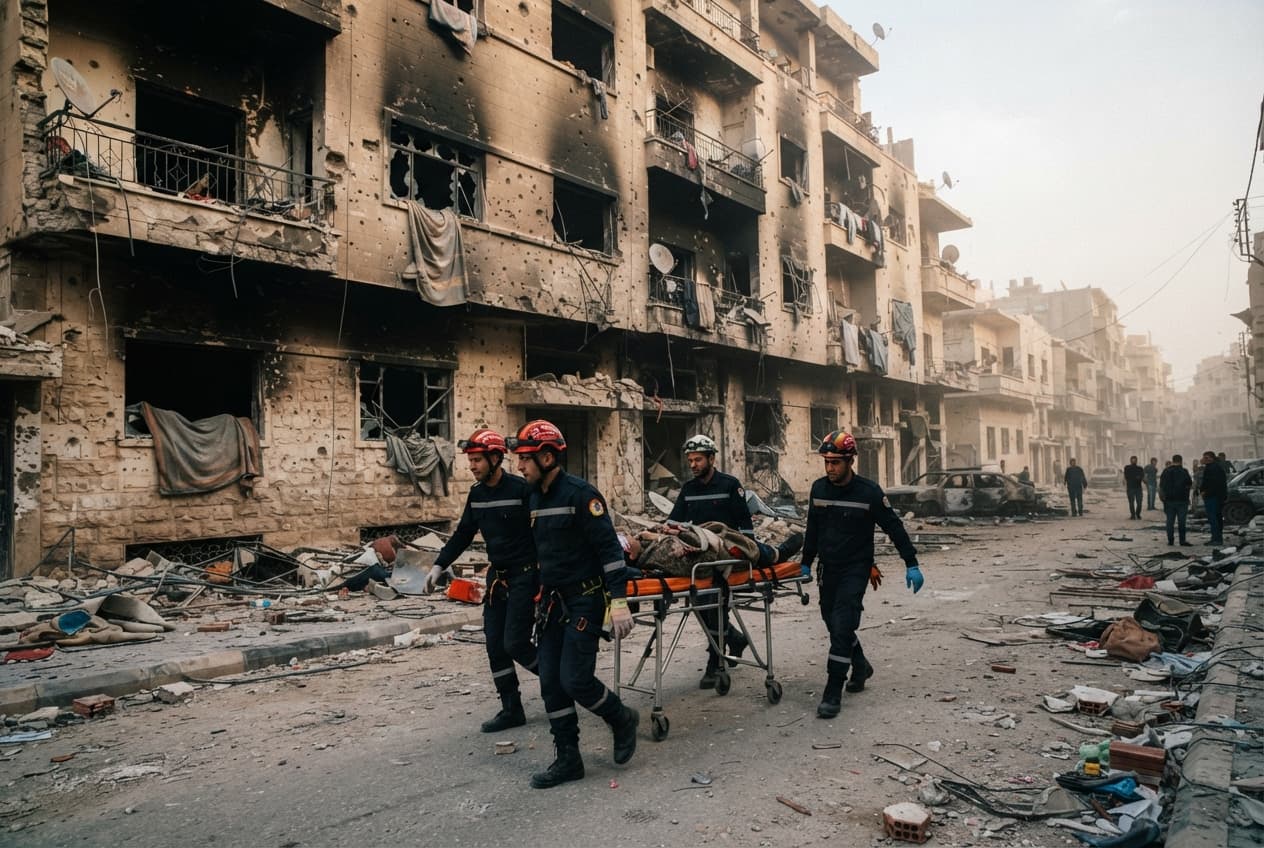
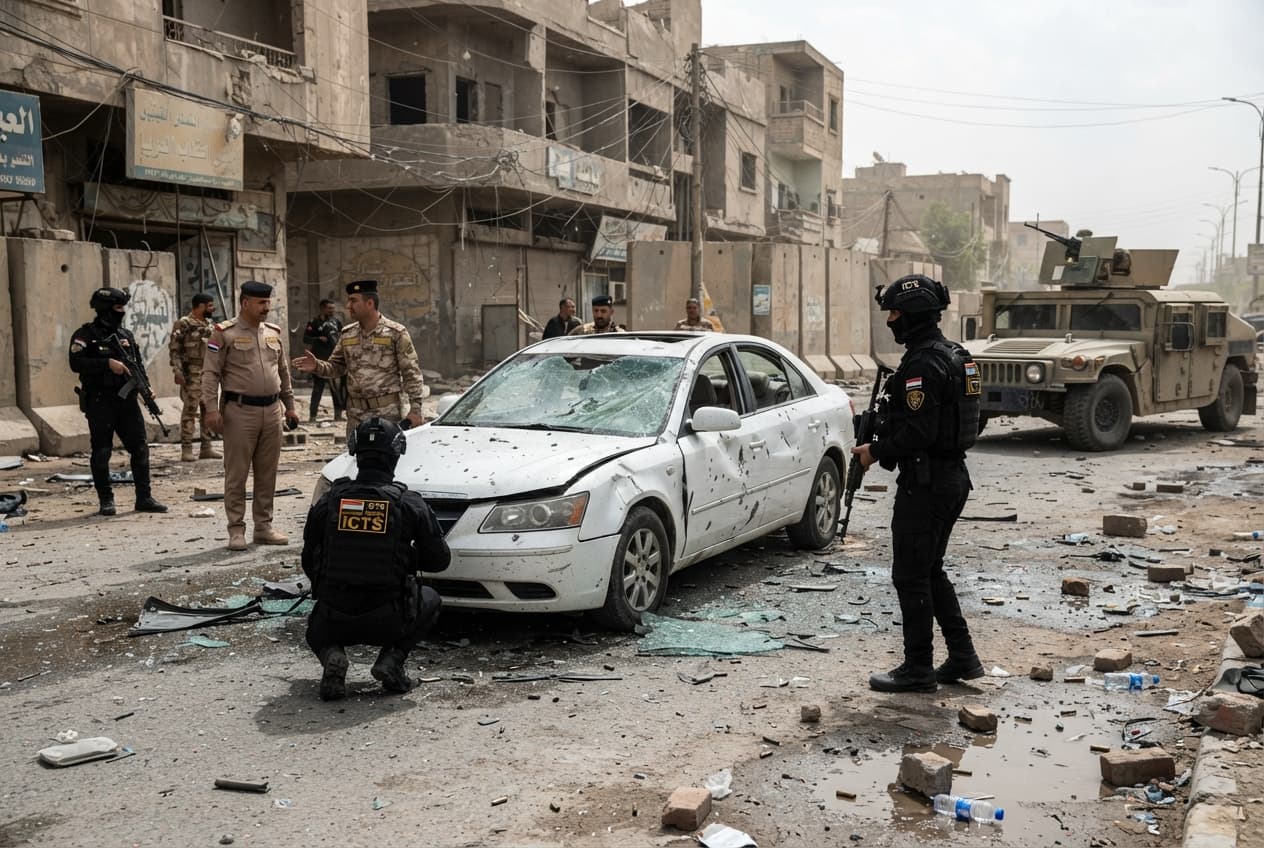
AI Image Disclaimer Illustrative visuals were generated using AI technology and do not depict actual photographic scenes.
Sources
Reuters United Nations Amnesty International Human Rights Watch Associated Press
Published by Banx Network. This article is part of the Banx decentralized media programme, powered by the BXE token on the XRP Ledger.