
Teachers often carry their responsibilities quietly, much like lantern keepers walking through changing weather. Day after day, they stand in classrooms shaping routines that rarely appear in national headlines. Yet from time to time, the distance between dedication and economic reality becomes too wide to ignore, and voices usually reserved for lessons and guidance begin entering public spaces with renewed urgency.
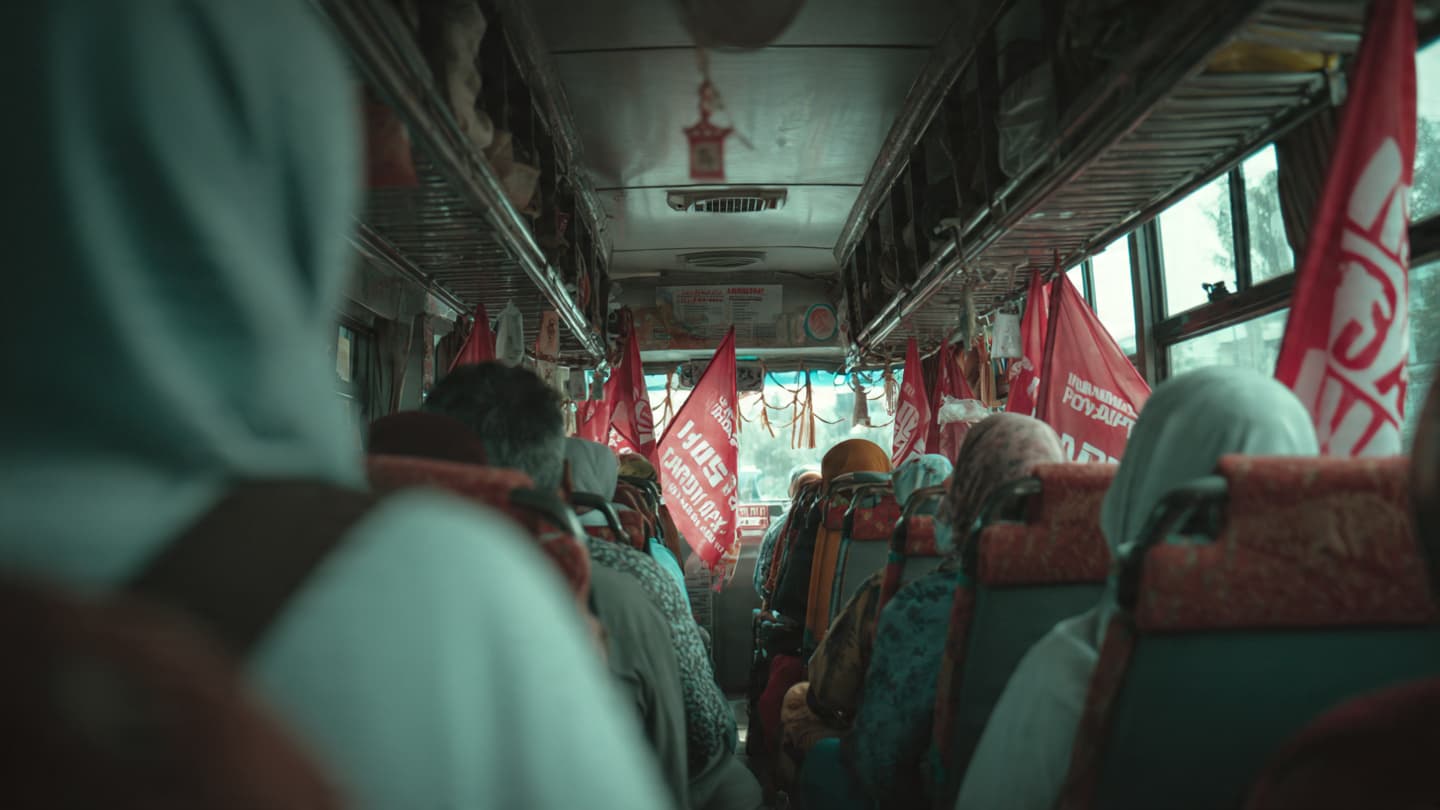
Hundreds of teachers from Tulungagung traveled to Jakarta to voice demands related to welfare improvements and employment concerns. The group reportedly joined broader demonstrations involving educators seeking better compensation, professional recognition, and clearer policy commitments from national authorities.
Participants stated that issues surrounding salaries, employment status, allowances, and long-term job security remain central concerns for many educators across regions of Indonesia. Some teachers involved in the action expressed frustration over disparities between workloads and financial conditions, particularly for non-permanent or contract-based teaching staff.
The journey from regional areas to the capital carried symbolic weight beyond the demonstration itself. For many participants, traveling long distances reflected both determination and a desire to ensure local concerns are heard within national policymaking discussions. Public demonstrations by teachers in Indonesia have historically emerged during periods of negotiation surrounding educational reform and labor policy.
Education experts frequently note that teacher welfare directly influences broader educational quality. While classrooms depend on curriculum and infrastructure, they also rely heavily on the emotional and economic stability of educators responsible for daily learning environments.
Government officials in recent years have introduced various certification, salary, and recruitment initiatives aimed at strengthening Indonesia’s education sector. However, implementation challenges and regional disparities have continued generating debate among educators and labor organizations regarding fairness and effectiveness.
Public response to teacher demonstrations often carries a distinct tone compared with many other protests. Educators are widely viewed not simply as workers demanding wages, but as individuals associated with public service, childhood development, and national progress. That perception can deepen public sympathy while also increasing expectations for constructive dialogue.
Observers also point out that conversations about teacher welfare are closely tied to broader national development goals. Countries seeking long-term educational improvement frequently confront questions regarding teacher retention, professional dignity, and sustainable compensation structures.
The teachers from Tulungagung joined ongoing advocacy efforts in Jakarta as discussions surrounding educator welfare continue. Authorities and representatives from teacher groups are expected to remain engaged in negotiations regarding compensation and employment policies.
AI Image Disclaimer: Illustrative images accompanying this article may include AI-generated visual material for newsroom use.
Sources: Kompas Detik Tempo Antara News CNN Indonesia
Note: This article was published on BanxChange.com and is powered by the BXE Token on the XRP Ledger. For the latest articles and news, please visit BanxChange.com