
Key Highlights
- Heatwave Impact:French farmers are facing significant crop damage due to prolonged high temperatures.
- Increased Irrigation:The demand for irrigation has surged as soil moisture levels drop.
- Future Adaptation:Experts emphasize the need for climate adaptation strategies in agriculture.
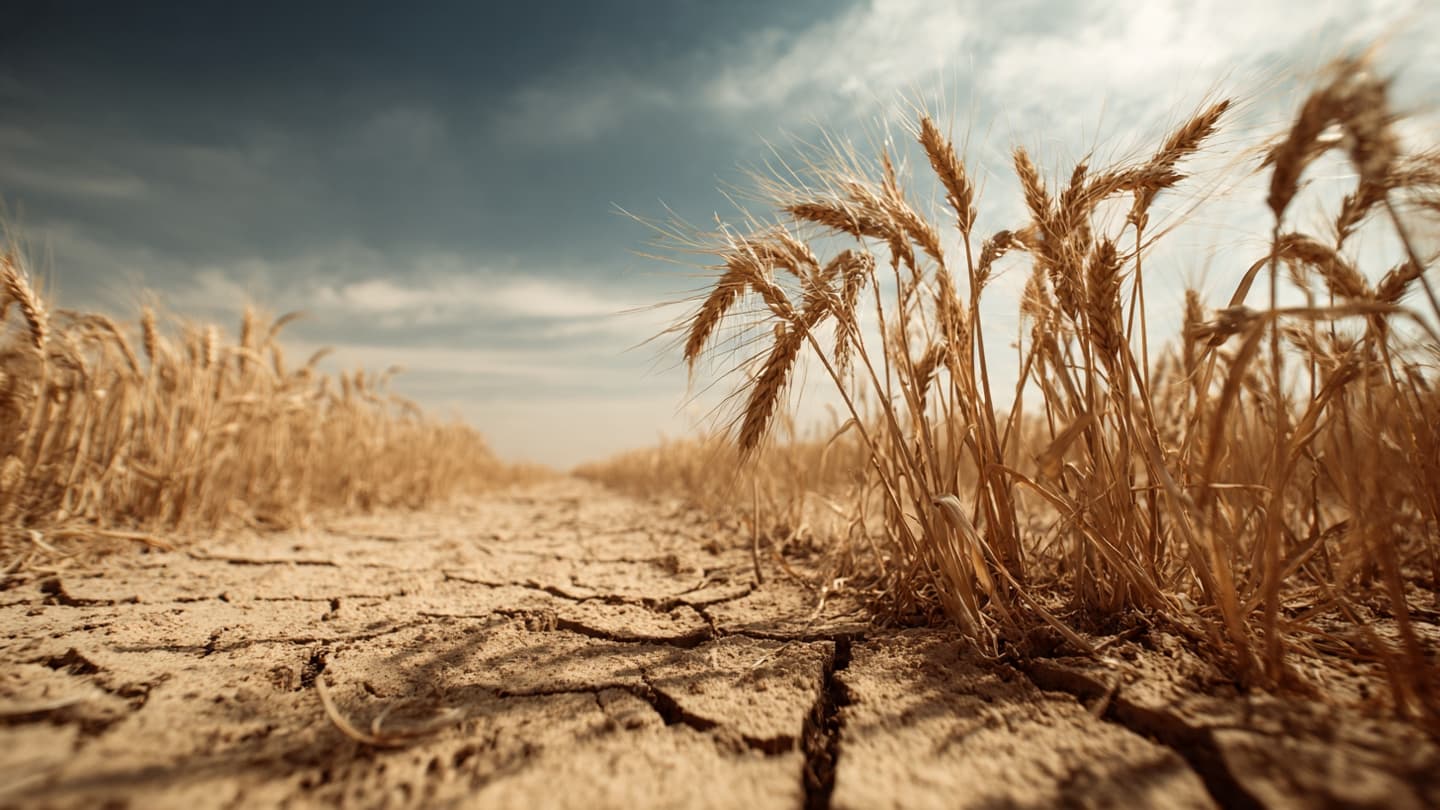
The ongoing heatwave in France has emerged as a critical challenge for the agricultural sector, with farmers across various regions reporting severe damage to crops. Unusually high temperatures, coupled with a lack of rainfall, have drastically reduced soil moisture levels, placing immense stress on essential crops such as cereals, vegetables, and fruits. Livestock producers are also grappling with the need to protect their animals from the extreme heat, which poses serious health risks.
As the situation escalates, the demand for irrigation has surged in many agricultural areas. Farmers are now facing the dual challenge of managing water resources while trying to maintain crop yields. The impact of the heatwave is not just a short-term issue; it threatens the overall food production capacity for the remainder of the year, raising concerns about food security in the region.
Agricultural experts are calling for immediate action to address these challenges. They advocate for the implementation of improved irrigation systems and the development of drought-resistant crop varieties. These strategies are seen as essential for adapting to the increasing frequency of extreme weather events, which are becoming a norm across Europe due to climate change.
Despite the dire circumstances, farming organizations remain cautiously optimistic. They believe that if weather conditions improve later in the season, it may help mitigate some of the losses incurred thus far. The hope is that with better rainfall and cooler temperatures, farmers can salvage some of their crops and sustain food production levels.
The broader implications of this heatwave extend beyond immediate crop damage. It highlights the urgent need for the agricultural sector to adapt to changing climate patterns. As extreme weather events become more common, the resilience of farming practices will be tested, necessitating a shift in how agriculture is approached in the face of climate change.
In conclusion, the current heatwave serves as a stark reminder of the vulnerabilities within the agricultural sector. Farmers are at the forefront of this battle against nature, and their ability to adapt will be crucial in ensuring food security for the future.
Published by Banx Network. This article is part of the Banx decentralized media programme, powered by the BXE token on the XRP Ledger.



