Key Highlights
- $29 billion: Foreign capital influx into Chinese equities in April.
- Economic factors:Government stimulus and policy support boost investor confidence.
- Market dynamics:Analysts debate the sustainability of this investment trend.
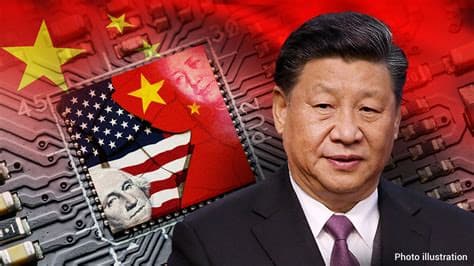
Global investors are pouring money back into Chinese markets, drawing significant attention from financial institutions and economic policy circles worldwide. Recent figures indicate that approximately $29 billion flowed into Chinese equities during April, sparking discussions about whether international capital is beginning a significant repositioning toward the world’s second-largest economy.
This reported investment wave marks one of the strongest periods of foreign equity inflows into China in recent years. It highlights a growing interest among investors despite ongoing concerns regarding global trade tensions, slowing economic growth forecasts, and geopolitical uncertainties. The influx of capital suggests that institutional investors, hedge funds, and major financial firms are identifying valuation opportunities or anticipating stronger economic performance in the near future.
For years, market participants have debated China’s economic outlook, grappling with challenges such as property sector weaknesses, youth unemployment, manufacturing slowdowns, and external trade pressures. These factors have often led to cautious sentiment among international investors. However, large capital movements frequently indicate changing expectations beneath the surface of market headlines.
Several factors may be contributing to this renewed interest in Chinese equities. Government stimulus efforts, targeted policy support, and expectations surrounding economic stabilization measures have increased optimism among segments of the investment community. Authorities have continued to implement policies designed to strengthen confidence and encourage growth across strategic sectors, which may be influencing investor sentiment.
Technology companies play a central role in China’s broader economic narrative. The expansion of artificial intelligence, semiconductor development, electric vehicle manufacturing, and advanced industrial capabilities are shaping long-term investment themes. Global investors seeking exposure to emerging technologies are increasingly monitoring developments in Chinese innovation alongside those in Western markets.
Currency considerations also play a crucial role in these investment flows. International capital often shifts when investors perceive favorable exchange-rate conditions or relative market valuations. The lower valuations across certain segments of Chinese markets compared to major Western indices may have enhanced their investment appeal.
As global investment strategies evolve, central bank decisions are reshaping financial conditions worldwide. Interest-rate expectations across major economies remain a significant driver of capital allocation decisions. Lower borrowing costs typically support risk appetite, while higher rates can redirect investment toward safer assets.
China’s position within global supply chains is another critical factor influencing long-term investor thinking. The country’s manufacturing leadership, export capacity, and the scale of its domestic consumer market continue to provide it with substantial influence over international economic activity.
However, not all analysts view large inflows as confirmation of sustained momentum. Financial markets remain sensitive to policy developments, economic data releases, and geopolitical events, meaning that capital can move quickly when investor expectations change. Trade relationships between major global economies also remain a key variable, with tariff discussions, export restrictions, and evolving diplomatic relationships influencing market sentiment across Asia and beyond.
Market observers note that trends in foreign investment frequently serve as indicators of institutional confidence. When large-scale inflows accelerate, analysts often interpret them as evidence that professional investors see improving conditions or attractive long-term opportunities. Whether April’s investment surge represents the beginning of a larger trend remains uncertain, as financial markets rarely move in straight lines and investor sentiment can shift rapidly. Nonetheless, one reality is clear: global capital is moving, and China is once again becoming a focal point for international investment attention.
Published by Banx Network. This article is part of the Banx decentralized media programme, powered by the BXE token on the XRP Ledger.