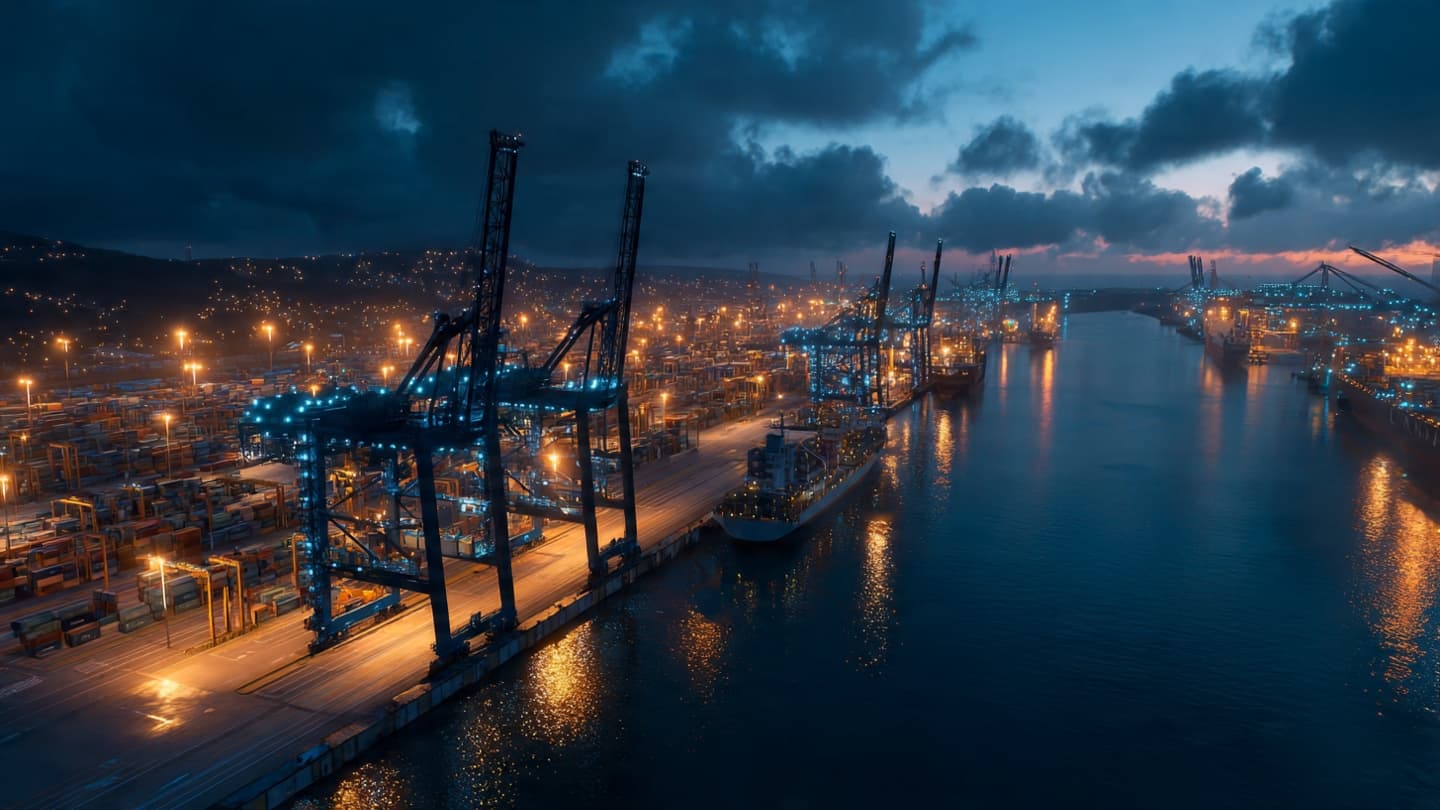
Trade has been one of the most powerful forces in human history, bringing people together, spreading ideas, and creating wealth. For thousands of years, civilizations have exchanged goods and services, building networks that connected distant lands. Today, this process has reached an unprecedented scale and speed, fundamentally changing how economies work and how nations relate to one another. In the past, trade was often about moving physical goods—raw materials, food, and manufactured products—from places where they were abundant to places where they were needed. While this remains important, modern trade has expanded to include services, technology, intellectual property, and investment. The digital revolution has made it possible to exchange ideas and services instantly, regardless of distance, creating a truly global marketplace. This deep integration has brought many benefits. It allows countries to specialize in what they do best, leading to greater efficiency and lower prices for consumers. It spreads technology and knowledge, helping less developed areas to grow faster. It creates jobs and lifts living standards, connecting millions of people into the global economy. However, this closeness also brings challenges. Economic difficulties in one part of the world can now spread quickly to others, as we have seen in financial crises or supply chain disruptions. There are also concerns about inequality, about whether the benefits of trade are shared equally within societies, and about the impact on local industries and the environment. In response to these realities, the nature of trade agreements and economic partnerships is evolving. Modern agreements go beyond just lowering taxes or removing quotas. They often cover standards, regulations, labor rights, and environmental protection. Countries are looking for ways to make trade not only free but also fair and sustainable. Geographically, the map of trade is shifting too. New economic powers are emerging, and trade routes are being redefined. There is a growing interest in regional integration, as countries near to each other seek to deepen their economic ties and create larger markets. At the same time, there is also a focus on diversifying partners to reduce dependence and increase resilience. Looking forward, the future of trade will likely be shaped by technology and by policy. Digital platforms, automation, and new forms of transport will continue to make exchange easier and faster. Meanwhile, governments will work to shape rules that ensure this powerful force serves the well-being of people and the planet. Ultimately, trade is about more than just economics; it is about connection. It is a reminder that we live in one world, and that our fates are linked. When managed well, it remains one of the most effective ways to build prosperity, understanding, and peace. AI Image Disclaimer Images in this article are AI-generated illustrations, meant for concept only. Sources
• World Trade Organization
• International Monetary Fund
• World Bank
• Bloomberg
• Financial Times
Published by Banx Network. This article is part of the Banx decentralized media programme, powered by the BXE token on the XRP Ledger.