For years, the Flipper Zero existed in a strange cultural space between gadget culture, maker communities, and internet mythology.
To some people, it looked like a harmless digital toy. To others, a futuristic hacker gadget pulled straight from cyberpunk fiction.
Now, Flipper Devices is pushing that identity even further with a new project: a modular Linux-powered “cyberdeck” computer called the Flipper One.
The company describes the device not as a replacement for the Flipper Zero, but as a separate platform aimed at networking, hardware experimentation, and portable computing.
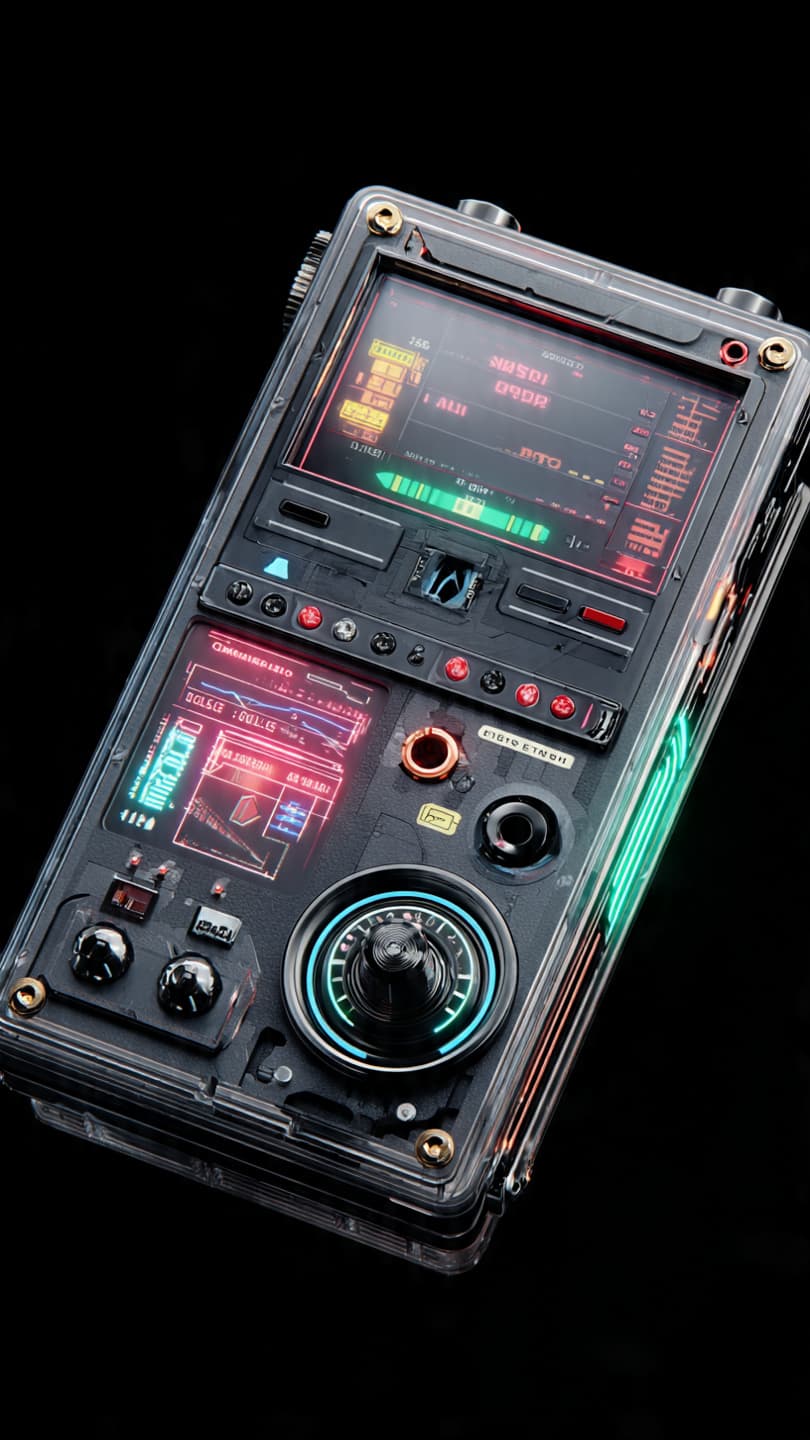
And visually, it looks exactly like the kind of machine cyberpunk fans imagined decades ago: a compact portable terminal filled with buttons, ports, antennas, and customization options.
What Exactly Is a Cyberdeck? The term “cyberdeck” originally comes from cyberpunk fiction, especially works inspired by writers like William Gibson.
In modern maker culture, cyberdecks usually refer to:
Portable DIY computers Modular hacking workstations Rugged Linux devices Highly customized handheld terminals Retro-futuristic computing builds They often combine:
Mechanical keyboards Small displays Wireless hardware Battery-powered systems Open-source software environments Cyberdecks became especially popular among maker and Raspberry Pi communities because they blend: practical computing, DIY engineering, and visual science-fiction aesthetics.
What Is the Flipper One? According to early details, the Flipper One is a compact Linux computer built around a Rockchip RK3576 ARM processor with:
8-core CPU architecture Built-in GPU AI acceleration hardware 8GB RAM configuration Expandable modular interfaces The device reportedly includes support for:
PCIe expansion SATA storage USB 3.0 Ethernet networking Wi-Fi 6E Optional 5G modules Flipper says it wants the platform to remain highly open and customizable, with strong support for mainline Linux rather than heavily restricted vendor software stacks.
The company is also reportedly working with Linux engineering firm Collabora to improve upstream support for the hardware.
Why the Flipper Zero Became So Famous The original Flipper Zero exploded online partly because it combined:
Retro design Tamagotchi-like interface Wireless experimentation tools Open-source culture Social media virality The device can interact with technologies like:
NFC systems RFID tags Infrared devices Sub-GHz radio systems While the company markets it as a learning and hardware experimentation platform, the device also became controversial because some people used it irresponsibly or misunderstood its capabilities.
That tension helped turn the Flipper Zero into an internet phenomenon far beyond traditional maker communities.
The Rise of DIY Cyberpunk Computing The Flipper One also reflects a larger movement happening in enthusiast tech culture.
Many hobbyists increasingly feel modern devices became:
Locked down Less repairable Harder to customize Controlled by ecosystems rather than users Cyberdecks push in the opposite direction.
They celebrate:
Open hardware Linux systems Physical controls Personal modification DIY creativity Some cyberdeck builders create highly functional portable workstations. Others focus more on artistic cyberpunk aesthetics.
Often the appeal is both at once.
Why People Are Fascinated by Devices Like This Part of the attraction is emotional rather than purely technical.
Modern laptops and smartphones increasingly look similar: thin rectangles, minimal buttons, sealed systems.
Cyberdecks feel different. Messier. More tactile. More personal.
They resemble machines that belong to a specific person rather than anonymous consumer electronics.
And perhaps that explains why devices like the Flipper One generate so much excitement online.
Not because most people need a portable cyberpunk Linux terminal — but because it represents a version of technology that feels experimental again.
A reminder that computers can still feel strange, custom-built, and imaginative instead of invisible background infrastructure.
AI Image Disclaimer
Images are AI-generated illustrations and are intended for visual representation only, not real-world documentation.
Source Check Flipper Devices, the company behind the controversial Flipper Zero hardware tool, has unveiled a new modular Linux-based “cyberdeck” computer called the Flipper One, designed for developers, makers, and networking experimentation.
Published by Banx Network. This article is part of the Banx decentralized media programme, powered by the BXE token on the XRP Ledger.