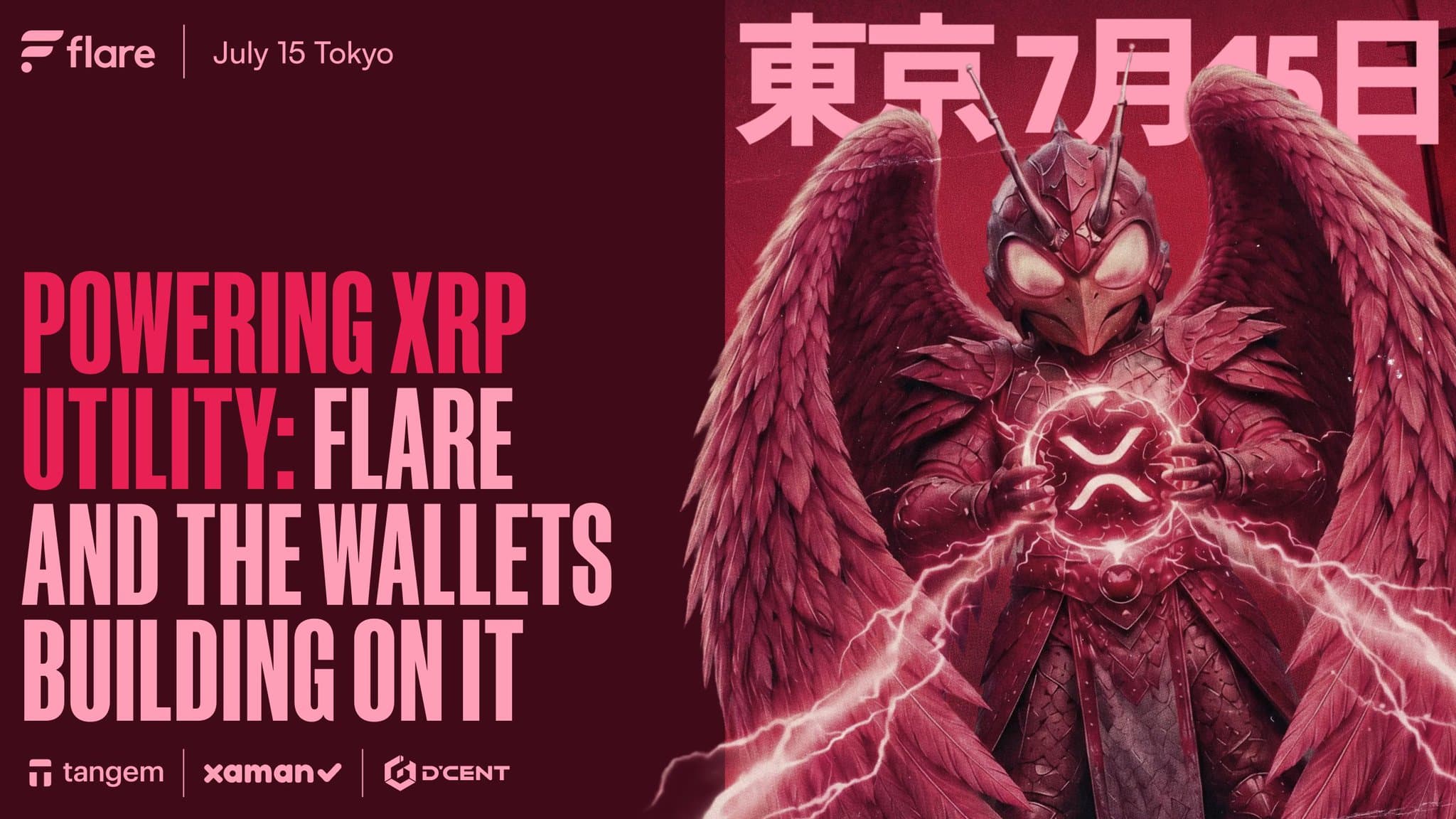
The XRP ecosystem is preparing for increased visibility in Asia as Flare and Xaman Wallet participate in activities surrounding WebX Tokyo, one of the region's largest blockchain and digital asset conferences. Industry representatives are expected to discuss how XRP holders can access yield-generating opportunities while maintaining self-custody of their assets. The event reflects growing interest in expanding XRP's utility beyond payments and cross-border transfers. For years, XRP has been recognized primarily for its role within the XRP Ledger ecosystem, but recent developments across interconnected blockchain networks are creating additional use cases for holders seeking broader participation in decentralized finance. Flare Network has positioned itself as a blockchain focused on bringing smart contract functionality and interoperability to assets that traditionally lacked access to decentralized applications. Through various protocols and integrations, XRP holders can potentially deploy their assets in ways that generate rewards while retaining control over their holdings. Self-custody remains a major theme within the cryptocurrency industry. Following several high-profile exchange failures in recent years, many investors have prioritized solutions that allow them to maintain direct ownership of private keys rather than relying on centralized custodians. Supporters argue that combining self-custody with yield opportunities addresses one of the industry's long-standing challenges. Historically, users often had to choose between securely holding assets themselves or transferring them to third-party platforms to earn returns. New technologies aim to reduce this trade-off. Asia continues to play an increasingly important role in global cryptocurrency adoption. Countries such as Japan have developed relatively mature regulatory frameworks compared with many jurisdictions, helping attract blockchain companies, developers, and investors. Events like WebX serve as networking hubs for industry participants seeking partnerships and growth opportunities. The participation of XRP-focused organizations highlights ongoing efforts to expand ecosystem awareness and attract new users. Educational sessions frequently emphasize practical applications, interoperability, decentralized finance integration, and emerging financial products built around digital assets. As blockchain technology evolves, ecosystem collaborations have become more important. Wallet providers, infrastructure platforms, decentralized applications, and liquidity providers increasingly work together to create seamless user experiences and broaden functionality. The Tokyo event demonstrates how cryptocurrency communities continue pursuing adoption through education, partnerships, and utility-driven innovation. For XRP supporters, the focus remains on expanding the asset's role within the broader decentralized finance landscape while preserving the principles of self-custody and user control.
Published by Banx Network. This article is part of the Banx decentralized media programme, powered by the BXE token on the XRP Ledger.