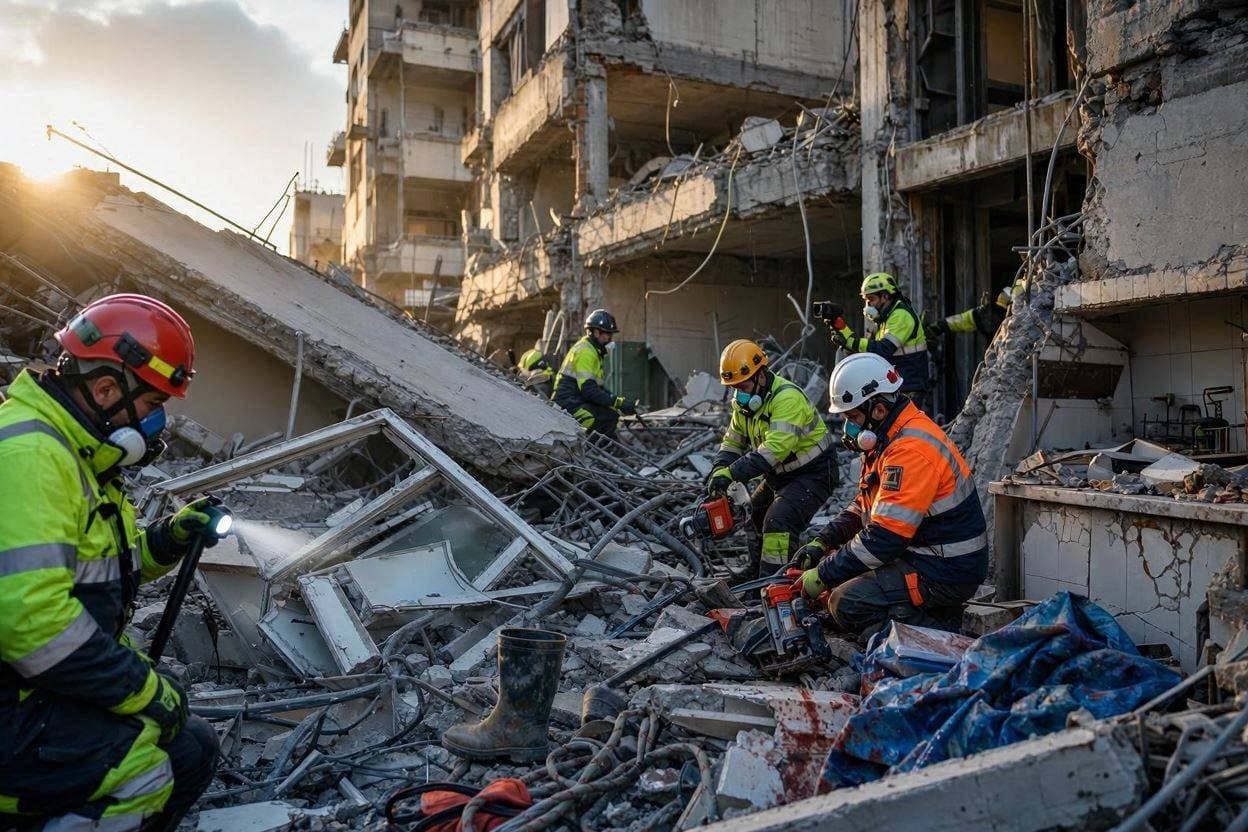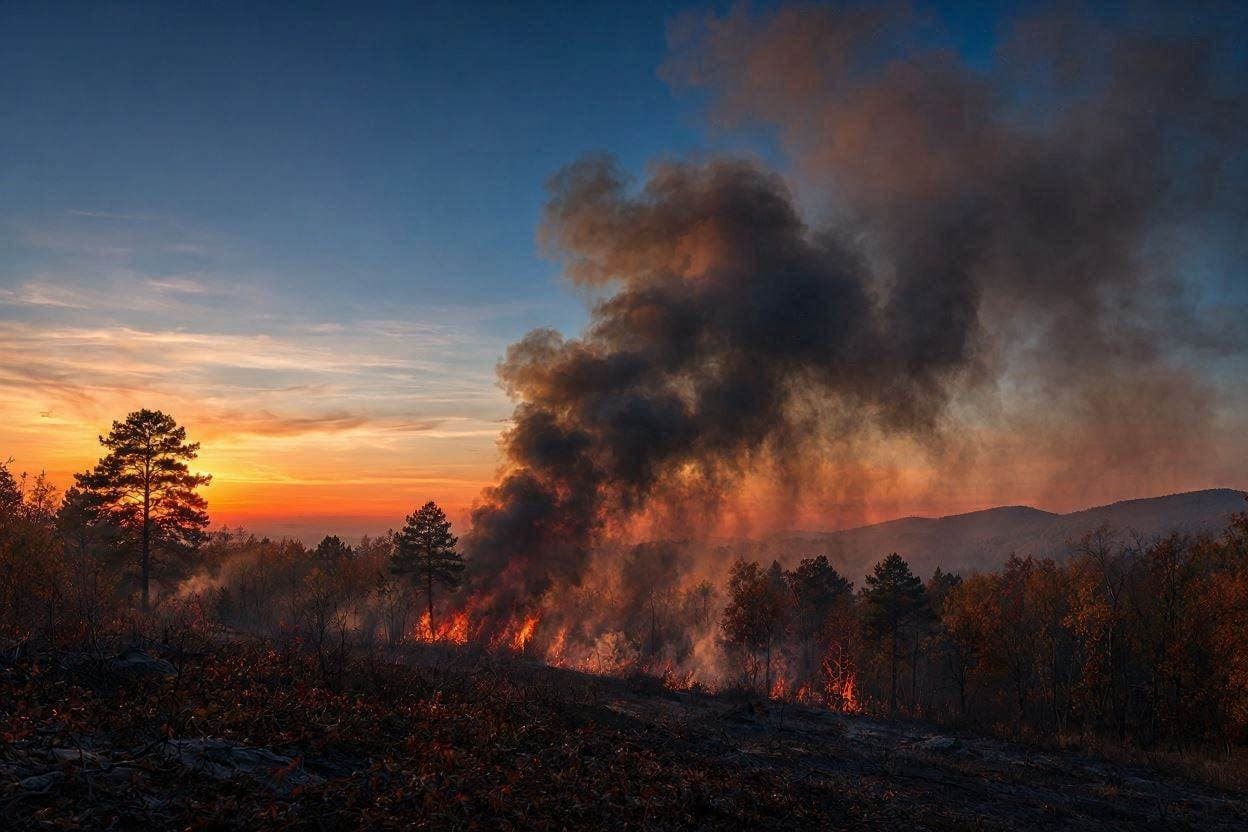
Across southern Europe, where summer usually brings warmth and leisure, the skies have turned ominous with smoke and ash. France has issued severe heat warnings for regions already battered by wildfires, while in neighboring Spain, at least 63,000 people have been evacuated from areas near Madrid. This dual crisis of extreme heat and uncontrolled fires underscores the intensifying impact of climate change on the continent. For those displaced, the loss of home and security is profound, inviting reflection on our collective vulnerability to nature’s growing fury.
The situation highlights the urgent need for adaptive strategies and international cooperation in managing environmental disasters. It is a moment that tests the resilience of communities and the effectiveness of emergency response systems.
In France, authorities have placed dozens of departments on "orange" alert, urging residents to remain vigilant as temperatures soar. The heatwave exacerbates dry conditions, making forests and vegetation highly susceptible to ignition. Firefighters are battling multiple blazes, particularly in the southwest, where strong winds have hindered containment efforts. Some residents have even fled by boat as flames reached coastal areas.
Spain declared a national emergency as two major wildfires merged west of Madrid, threatening populated areas and critical infrastructure. The rapid spread of the fires forced the evacuation of tens of thousands of people, including tourists and locals. Emergency shelters have been set up to provide food, water, and medical care to those displaced. The scale of the evacuation reflects the severity of the threat and the proactive measures taken by officials.
Climate scientists point to rising global temperatures as a key driver of these extreme weather events. Heatwaves are becoming more frequent and intense, creating ideal conditions for wildfires to start and spread. This pattern is not unique to Europe but is part of a global trend that demands immediate attention and action.
The economic impact of the fires is significant, affecting tourism, agriculture, and local businesses. Insurance claims are expected to rise, and the cost of rebuilding will be substantial. Beyond financial losses, the ecological damage to forests and wildlife habitats will take years to recover.
Community solidarity has emerged as a beacon of hope amidst the chaos. Volunteers have joined firefighters in clearing debris and providing support to evacuees. Social media has facilitated coordination and resource sharing, demonstrating the power of digital connectivity in times of crisis.
International aid has been offered, with neighboring countries sending firefighting aircraft and personnel. The European Union’s civil protection mechanism has been activated to coordinate resources and ensure a unified response. This collaboration highlights the importance of shared responsibility in addressing cross-border challenges.
As the fires continue to burn, the focus remains on saving lives and containing the spread. Meteorologists warn that the heatwave may persist, keeping the risk high. Residents are advised to follow official instructions and avoid unnecessary travel in affected areas.
The crisis serves as a stark reminder of the need for sustainable land management and climate mitigation policies. Investing in fire-resistant infrastructure and reforestation projects can help reduce future risks. Prevention is as crucial as response.
The heat warnings in France and mass evacuations in Spain highlight the severe impact of climate-driven wildfires. It invites a stronger commitment to environmental protection and disaster preparedness.
AI Image Disclaimer: Images used in this report are AI-generated depictions intended to illustrate the themes of wildfire response and climate resilience.
Sources: CNN France 24 Associated Press Reuters
Note: This article was published on BanxChange.com and is powered by the BXE Token on the XRP Ledger. For the latest articles and news, please visit BanxChange.com