
The papacy has long been a role defined by the delicate balance between mercy and authority, a tightrope walk that requires both pastoral warmth and institutional resolve. In recent days, Pope Leo XIV has demonstrated a willingness to step firmly on one side of that scale, issuing excommunications against bishops of a breakaway traditionalist group. This decisive action marks a significant departure from the cautious diplomacy often associated with Vatican leadership, signaling a new era where doctrinal unity is prioritized over tentative dialogue. It is a moment that invites reflection on the nature of authority within the Catholic Church and the challenges of maintaining cohesion in a fragmented world.
Body: The controversy centers on the Society of St. Pius X (SSPX), an ultratraditionalist sect that has long existed in a state of tension with the Holy See. Despite years of negotiations and attempts at reconciliation, the group recently proceeded to consecrate four bishops without papal approval. This act, described by the Vatican as "schismatic," was seen as a direct challenge to the Pope’s authority and the canonical structure of the Church. Pope Leo had issued a last-minute appeal urging the SSPX leaders to halt the ordinations, warning that such a move would sever their ties with the broader Catholic community.
The decision to excommunicate the bishops is not merely a symbolic gesture but a legal and theological necessity within Canon Law. By acting independently, the SSPX placed itself outside the visible unity of the Church, creating a parallel hierarchy that undermines the Pope’s role as the supreme pastor. For Pope Leo, who assumed office in May 2025 with a stated goal of healing divisions, this crisis presented a difficult test. His response suggests that while he values dialogue, he will not tolerate actions that fundamentally fracture the Church’s structural integrity.
This episode represents the most significant internal crisis of Leo’s pontificate so far. It highlights the persistent challenges posed by traditionalist movements that reject certain reforms of the Second Vatican Council. While many within these groups seek to preserve what they view as essential traditions, their methods can sometimes lead to isolation and conflict. The Vatican’s stance is clear: tradition must be lived within the communion of the Church, not in opposition to it.
The reaction from the faithful has been mixed. Some Catholics welcome the Pope’s firmness, seeing it as a necessary defense of ecclesiastical order. Others, particularly those sympathetic to the SSPX’s concerns about liturgical changes, express disappointment and concern. They worry that such strict measures may drive away those who feel marginalized by modern reforms. The Pope’s challenge now is to communicate that his actions are intended to preserve unity, not to punish dissent for its own sake.
Historically, excommunications are rare and reserved for grave offenses. They serve as a medicinal penalty, aimed at encouraging repentance and return to the fold rather than permanent exclusion. The Vatican has emphasized that the door remains open for the SSPX members who wish to reconcile, provided they accept the authority of the Pope and the validity of the Church’s teachings. This nuance is crucial in understanding the pastoral intent behind the legal decision.
The global implications of this schism are significant. The SSPX has a presence in many countries, and its followers are deeply committed to their beliefs. The excommunications may lead to further fragmentation within the traditionalist movement, with some members choosing to remain loyal to Rome and others doubling down on their independence. How this plays out will depend largely on the leadership within the SSPX and the ongoing efforts of the Vatican to engage with moderate voices.
As the dust settles, Pope Leo’s leadership style is coming into sharper focus. He is proving to be a pontiff who is not afraid to make difficult decisions, even when they are unpopular. This firmness may be necessary to navigate the complex landscape of modern Catholicism, where diverse interpretations of faith and practice often clash. His actions suggest a commitment to clarity and order, even at the cost of short-term discomfort.
Closing: Pope Leo XIV’s decision to excommunicate SSPX bishops underscores his commitment to maintaining the unity and authority of the Catholic Church. While the move has sparked debate, it reflects a clear stance against schism and a desire to preserve institutional coherence. The path forward will require continued dialogue and pastoral care to heal the wounds of this division.
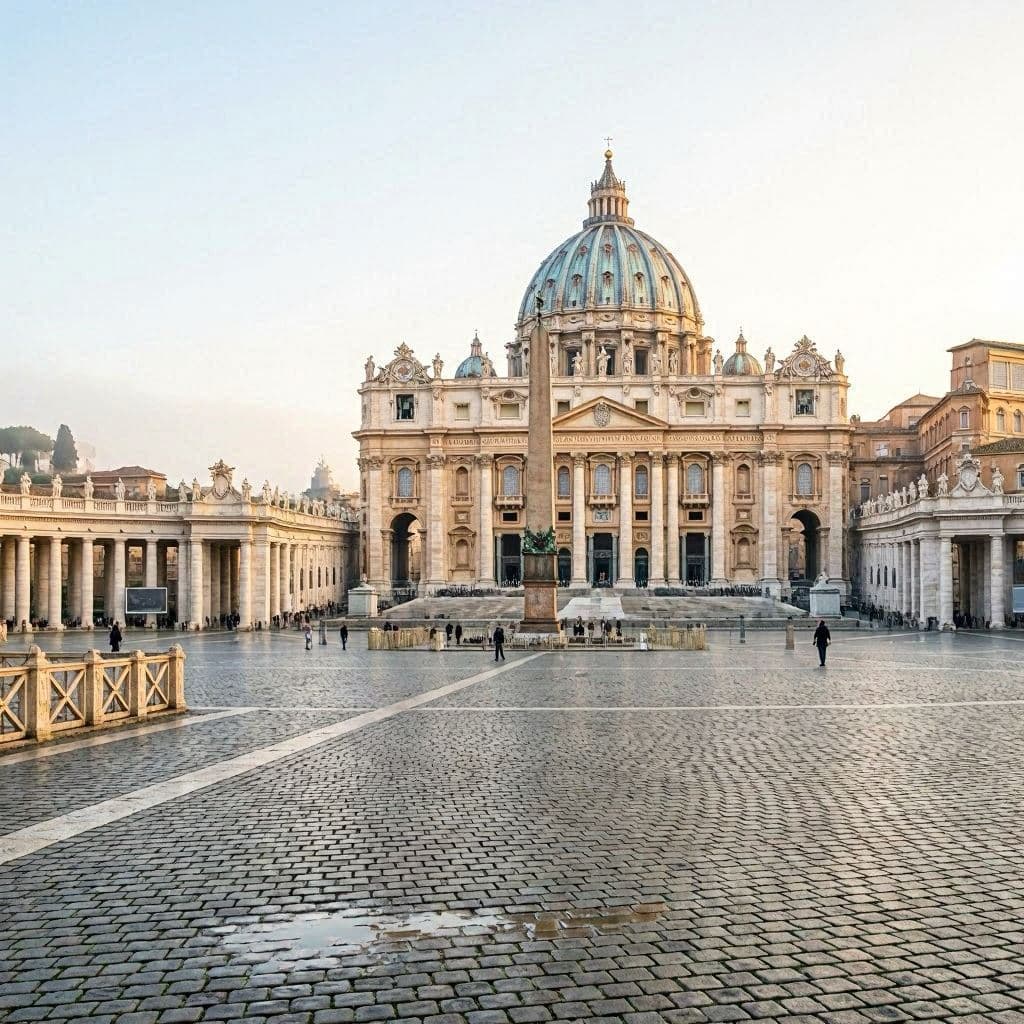
AI Image Disclaimer: Please note that the visual illustrations accompanying this article are AI-generated representations intended to contextualize the discussion on church authority.
Sources: Reuters The New York Times ABC News Washington Post
Note: This article was published on BanxChange.com and is powered by the BXE Token on the XRP Ledger. For the latest articles and news, please visit BanxChange.com