
Trade has always depended upon movement. Long before digital platforms connected global markets, merchants relied on roads, rivers, and sea lanes to carry goods between distant communities. Today’s manufacturers operate within far more advanced systems, yet the fundamental challenge remains familiar: finding reliable ways to move products efficiently.
American manufacturers are increasingly evaluating alternative trade routes as part of broader efforts to strengthen supply chain resilience. The strategy reflects growing awareness that flexibility can be just as important as efficiency in a rapidly changing global environment.
Traditional shipping corridors continue to handle enormous volumes of international trade. However, businesses recognize that disruptions affecting transportation networks can influence schedules, costs, and inventory management. Alternative routes provide additional options when conditions change unexpectedly.
The objective is not necessarily to replace established pathways but to create greater adaptability. By maintaining multiple logistics possibilities, companies can respond more effectively to shifting circumstances while minimizing operational interruptions.
Ports play a central role in this effort. Manufacturers are exploring different entry points, transportation hubs, and distribution networks capable of supporting efficient movement of goods. Diversification can help reduce congestion risks and improve delivery reliability.
Technology assists decision-making throughout the process. Real-time logistics monitoring, predictive analytics, and transportation management systems allow businesses to evaluate performance across multiple routes and identify potential bottlenecks before they become serious challenges.
Regional partnerships are also gaining importance. Manufacturers increasingly collaborate with logistics providers, infrastructure operators, and trade partners to improve coordination and strengthen transportation capabilities. Such cooperation often enhances efficiency while supporting resilience.
Environmental considerations influence planning as well. Companies seek transportation solutions capable of balancing operational requirements with sustainability objectives. Route optimization can contribute to both cost management and emissions reduction goals.
Analysts suggest that alternative trade strategies reflect broader shifts occurring throughout global commerce. Businesses are prioritizing preparedness and flexibility in response to an environment characterized by rapid change and increasing complexity.
The search for new routes is ultimately about more than transportation. It reflects a wider commitment to resilience, innovation, and long-term planning. As manufacturers continue adapting to evolving conditions, the paths they choose today may help define the future flow of global trade tomorrow.
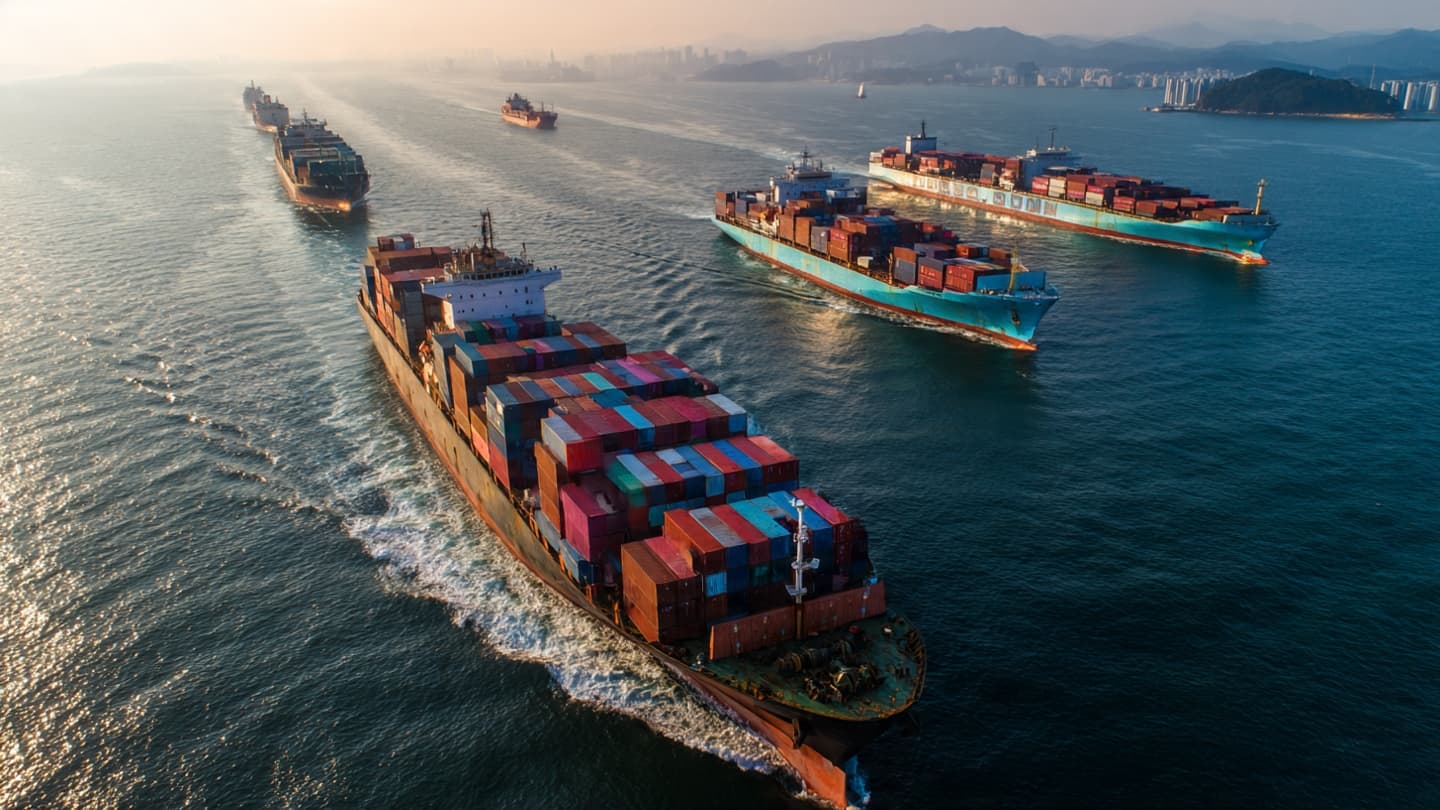
AI Image Disclaimer Visuals are created with AI tools and are not real photographs.
Source Check Credible sources available:
Reuters Bloomberg Financial Times The Wall Street Journal Journal of Commerce
Note: This article was published on BanxChange.com and is powered by the BXE Token on the XRP Ledger. For the latest articles and news, please visit BanxChange.com