
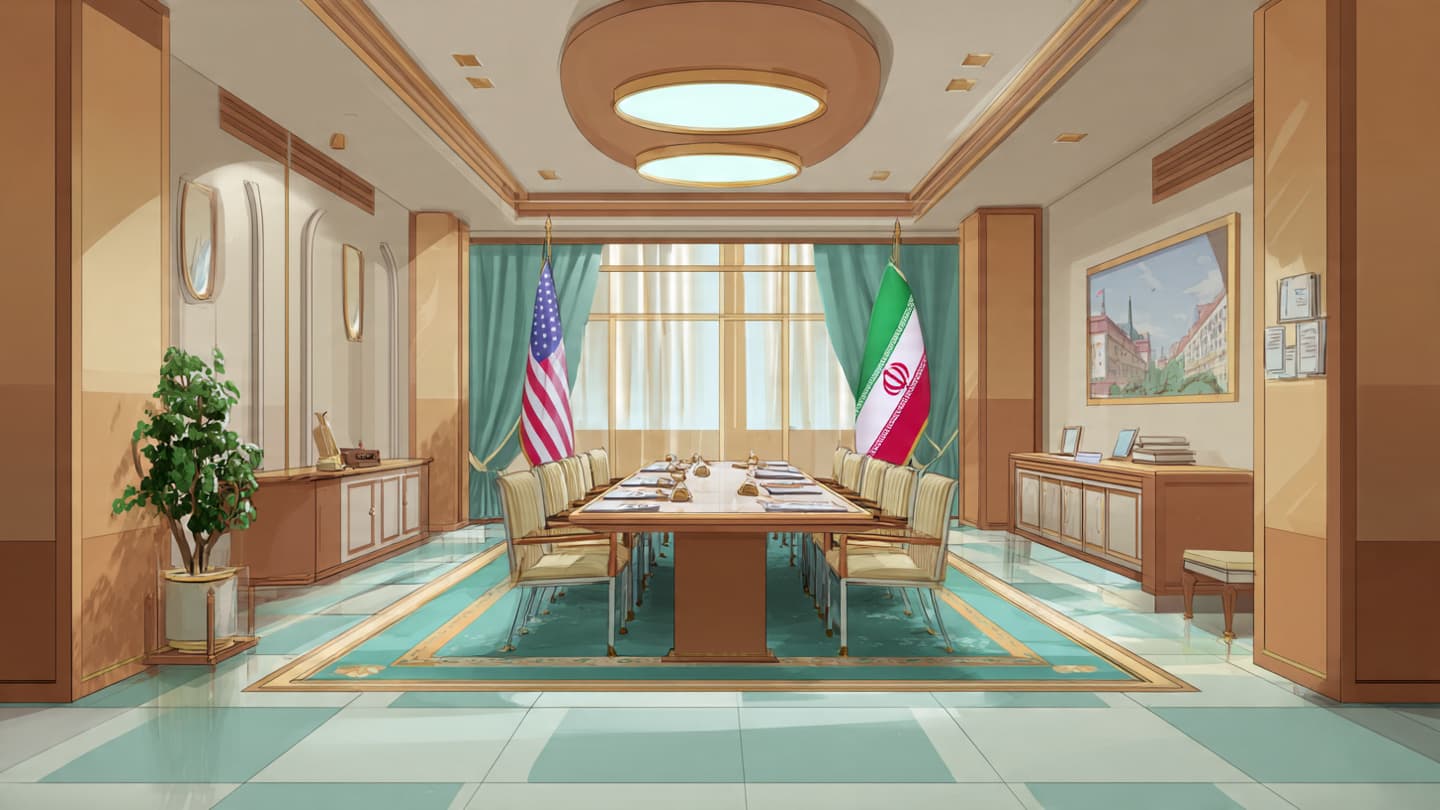
In international diplomacy, the final stages of negotiation are often the most uncertain. Agreements that appear close can still unravel under pressure, while carefully chosen words from political leaders may either calm tensions or intensify them further. That atmosphere became more pronounced after President Donald Trump declared that negotiations with Iran had entered their “final stage” while simultaneously warning of possible renewed military action.
Trump’s comments came during discussions surrounding ongoing efforts to address Iran’s nuclear activities and broader regional security concerns. The president suggested that decisive moments were approaching, emphasizing that Washington expected clear commitments from Tehran within a limited timeframe.
At the same time, Trump warned that the United States remained prepared to launch additional strikes if diplomatic efforts collapsed or if Iran pursued actions considered threatening to regional stability. While no operational details were publicly disclosed, the remarks immediately drew international attention due to the already fragile security climate in the Middle East.
Iranian officials reacted critically to the statement, arguing that threats undermine the spirit of negotiation and complicate prospects for mutual understanding. Tehran has repeatedly insisted that pressure tactics will not force concessions on issues tied to national sovereignty or defense strategy.
Observers note that combining diplomacy with military warnings has long been part of American foreign policy toward Iran. Supporters argue such pressure can strengthen negotiating leverage, while critics warn it risks escalating tensions and reducing trust during already sensitive talks.
Regional governments also continue monitoring developments closely because any escalation involving Iran could affect energy exports, maritime security, and economic stability across the Gulf region. Oil markets have shown renewed sensitivity to headlines connected with military threats or possible disruptions to shipping routes.
Analysts further pointed out that political messaging during negotiations often targets multiple audiences simultaneously. Beyond influencing Tehran, statements from Washington may also reassure allies, shape domestic political narratives, and demonstrate strategic resolve to international observers.
Despite the sharp rhetoric, diplomatic channels between the two sides remain active according to officials familiar with ongoing discussions. International mediators continue encouraging restraint while emphasizing the importance of avoiding actions that could trigger broader confrontation.
As negotiations approach what leaders describe as a decisive phase, uncertainty continues surrounding whether compromise or escalation will define the next chapter. For now, Trump’s remarks reflect how closely diplomacy and military signaling remain intertwined in one of the world’s most sensitive geopolitical disputes.
Several visual elements related to this article were created through AI-assisted illustration systems.
Sources Verified: Reuters, BBC, Associated Press, Financial Times
Note: This article was published on BanxChange.com and is powered by the BXE Token on the XRP Ledger. For the latest articles and news, please visit BanxChange.com