Sebha, Libya—Heavy automatic gunfire echoed across the arid plains of the southern Fezzan region as rival tribal factions clashed violently over disputed territorial borders. Local medical officials confirmed that five individuals sustained fatal wounds during hours of sustained skirmishing involving light artillery and technical vehicles. Ambulances raced between isolated desert settlements and regional trauma clinics to transport wounded combatants and civilians caught in the crossfire. The sudden outbreak shattered months of fragile local truces maintained by regional elders and municipal councils.
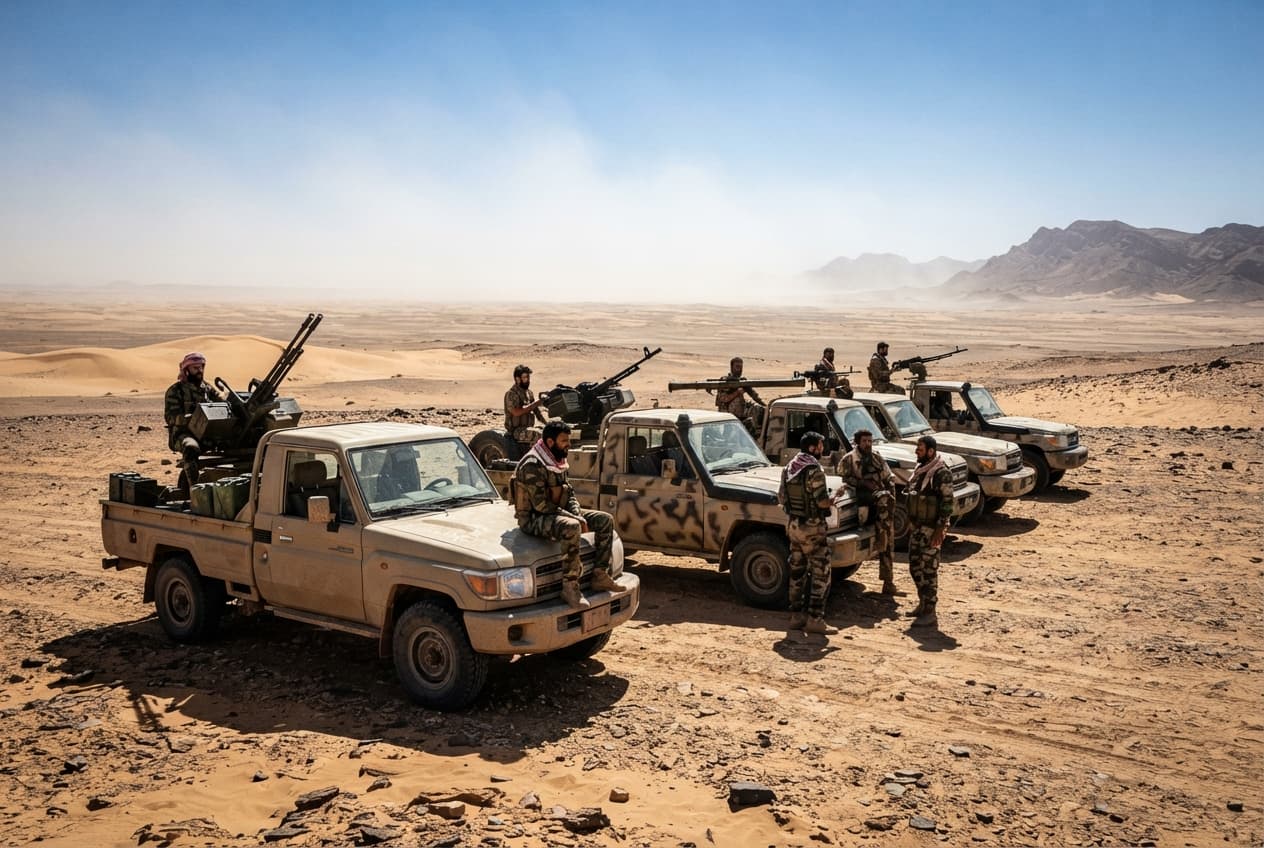
The confrontation erupted at dawn near a strategic agricultural oasis where competing clans laid conflicting claims to grazing lands and water wells. Witnesses reported columns of smoke rising from burning palm groves and abandoned farm structures near the contested demarcation line. Armed youth groups mobilized pickup trucks mounted with heavy machine guns to reinforce frontlines established along traditional tribal boundaries. Elders from neutral neighboring communities attempted unsuccessfully to negotiate an immediate ceasefire through telephone mediations.
Regional security forces maintained a cautious distance from the active combat zone, lacking sufficient personnel to intercede between the heavily armed factions. Hospital administrators in nearby Sebha issued urgent appeals for blood donations as emergency wards filled with casualties from the morning fighting. Medical staff struggled with severe shortages of surgical supplies and trauma medications required for critical battlefield wounds. Local humanitarian volunteers established makeshift triage stations along secondary access roads to assist evacuated non-combatants.
The underlying dispute stemmed from decades of unresolved land allocations and competing tribal authorities operating in the absence of centralized state control. Past reconciliation committees had repeatedly failed to establish permanent legal frameworks for land ownership and resource sharing across the vast desert province. Community leaders warned that without immediate military or diplomatic intervention, retaliatory attacks could easily spread to neighboring urban sectors. Commercial transport routes connecting southern trading posts to northern economic hubs faced immediate disruption due to active shooting hazards.
Delegations of tribal elders convened emergency meetings by early afternoon inside neutral civic centers to draft temporary truce proposals. Representatives from both warring factions expressed mutual grievances regarding historical land encroachment and broken security pacts. Independent mediators urged both sides to pull back armed technical vehicles from the frontlines to allow recovery teams access to the dead. Security patrols increased checkpoints along approach roads to prevent reinforcements and outside agitators from entering the combat zones.
By late afternoon, the intense automatic gunfire subsided into sporadic sniper exchanges across the disputed agricultural perimeter. Local rescue units received formal clearance from tribal commanders to enter the battle zone and recover remaining casualties. Military analysts noted that the incident underscored the persistent fragility of southern security architectures amid ongoing political divisions. Residents in surrounding towns stocked up on essential foodstuffs and fuel while bracing for potential retaliatory escalations.
The sun cast long shadows over the contested oasis as elders continued behind-closed-doors negotiations into the evening hours. International humanitarian organizations issued statements urging immediate restraint and respect for civilian protection mandates under international law. Government ministries in Tripoli released brief statements calling for calm while dispatching a fact-finding committee to evaluate the security situation. The unresolved territorial dispute remained a ticking time bomb for stability across the entire southern desert province.
Note: This article was published on BanxChange.com and is powered by the BXE Token on the XRP Ledger. For the latest articles and news, please visit BanxChange.com
.jpg&w=3840&q=75 "Residential Fire Kills Two: Faulty Electrical Generator Sparks Deadly Blaze in Damascus District")