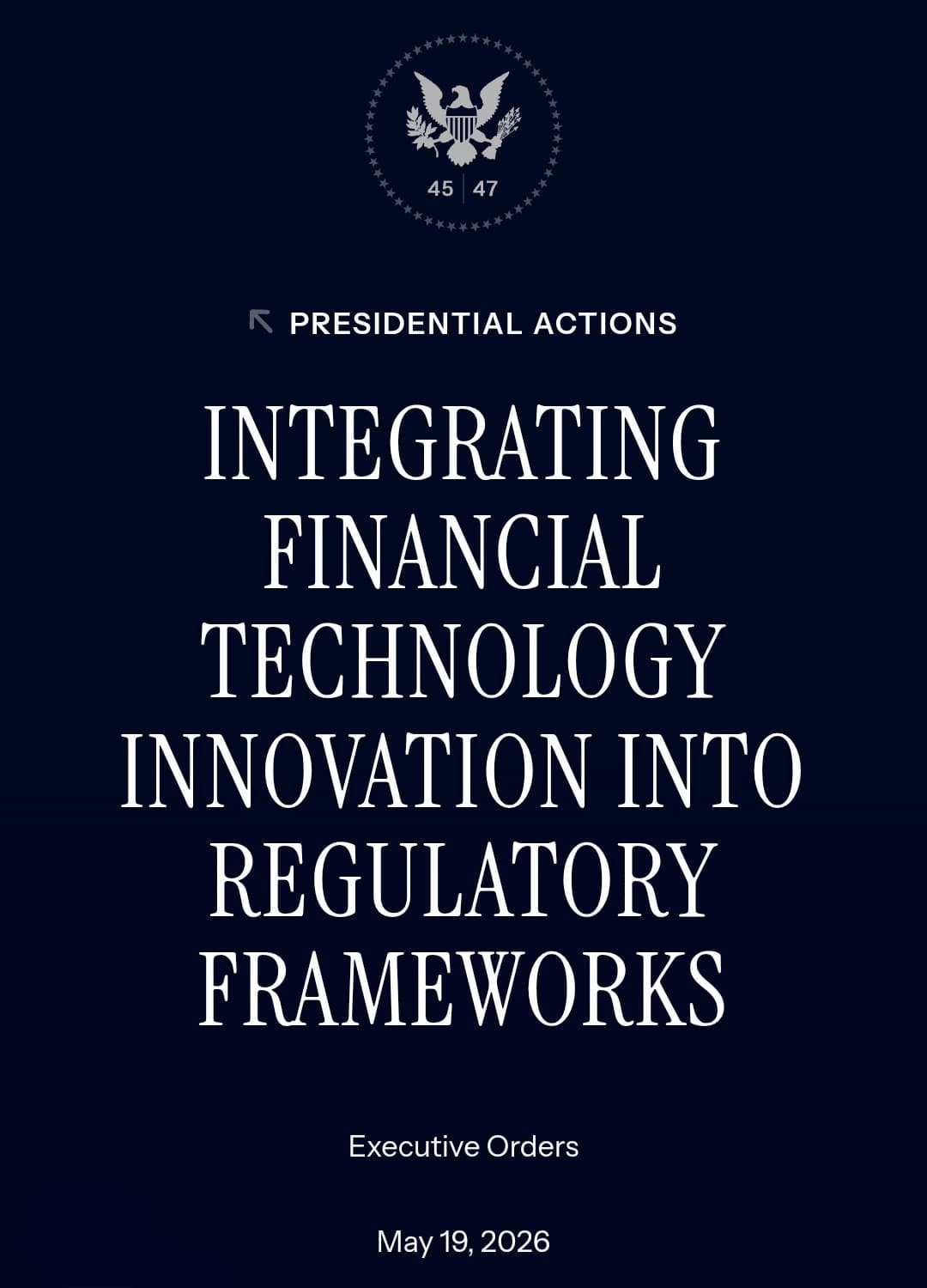
A legal confrontation is emerging after federal regulators reportedly moved against Minnesota regarding legislation targeting prediction markets. Prediction markets allow participants to trade contracts tied to future event outcomes ranging from elections and economic indicators to sports and policy developments. Supporters argue prediction markets improve forecasting efficiency by aggregating information across participants. Critics raise concerns surrounding regulation, oversight, and market integrity. The dispute highlights growing tensions between state-level policymaking and federal authority over evolving financial technologies. As emerging digital platforms expand, governments increasingly face difficult questions regarding jurisdiction and regulatory responsibility. Financial innovation frequently develops faster than legal frameworks. Policymakers worldwide continue navigating how existing laws apply to modern technology systems. Prediction markets occupy a particularly complex position because they intersect finance, forecasting, trading infrastructure, and regulatory oversight. Federal agencies often emphasize consumer protections and market stability when evaluating new financial products. State governments may simultaneously pursue independent policy approaches reflecting local priorities. Legal conflicts surrounding emerging technologies frequently establish precedents shaping future regulation. Digital assets, artificial intelligence systems, online platforms, and blockchain infrastructure have all generated similar jurisdictional debates over recent years. Industry participants continue monitoring these cases because outcomes can influence investment decisions, operational strategies, and compliance requirements. The legal battle also underscores broader questions surrounding innovation governance. How governments balance experimentation with oversight increasingly defines technological competitiveness. Businesses operating in rapidly evolving sectors often seek regulatory clarity rather than regulatory absence. Clear frameworks can reduce uncertainty while enabling companies to build products aligned with compliance expectations. As financial technology continues advancing, policymakers face mounting pressure to modernize legal systems without slowing innovation. The Minnesota challenge reflects a larger trend unfolding globally: governments increasingly confronting how existing institutions adapt to next-generation financial infrastructure. The outcome may extend beyond prediction markets themselves. It could influence how future technologies are regulated across increasingly digital economies.
Published by Banx Network. This article is part of the Banx decentralized media programme, powered by the BXE token on the XRP Ledger.