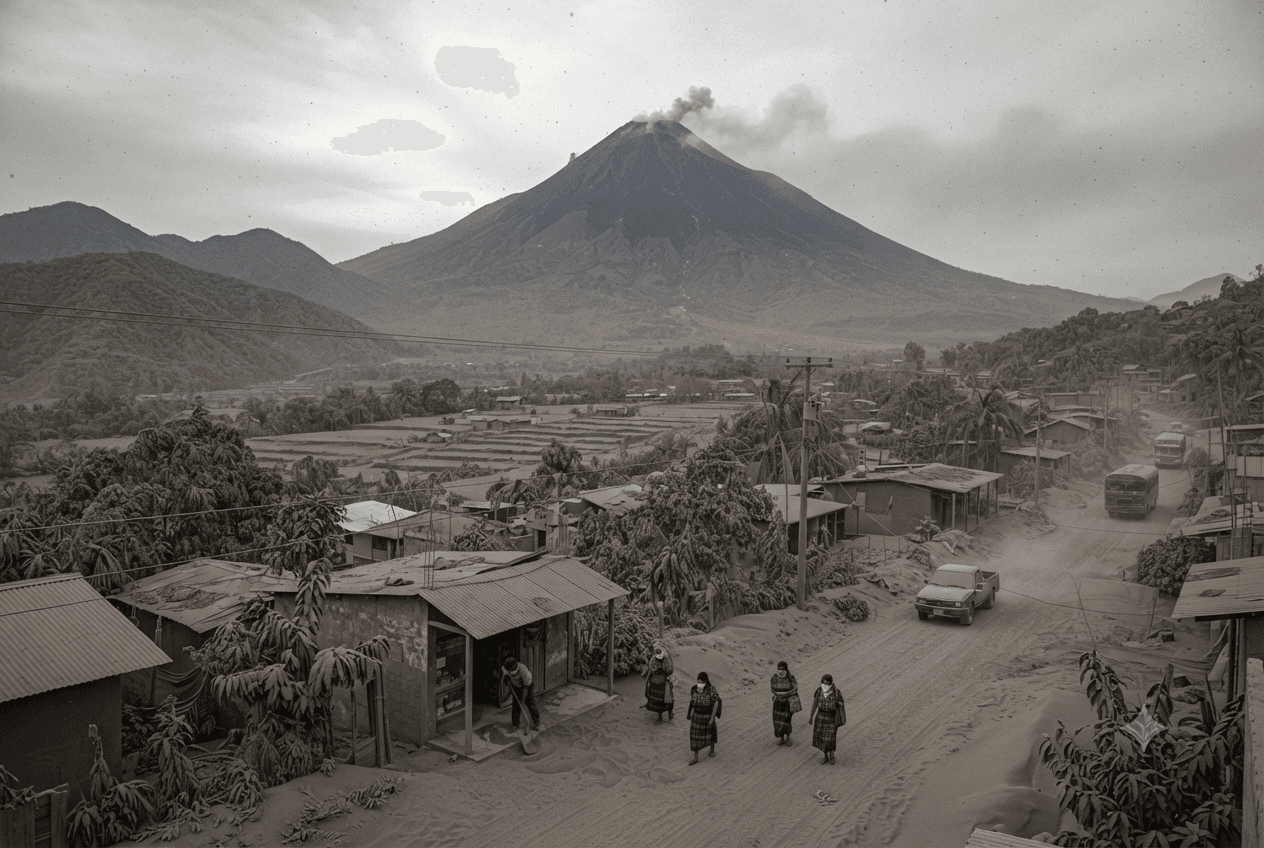
Guatemala City, Guatemala—Heavy volcanic ash fall mixed with torrential rain triggered violent mudflows across rural farming communities. Raging torrents of volcanic debris swept down the mountain slopes without warning. Farmers working in the fields had no time to escape the advancing slurry. Local emergency coordinators launched immediate search operations across the ash-choked valleys.
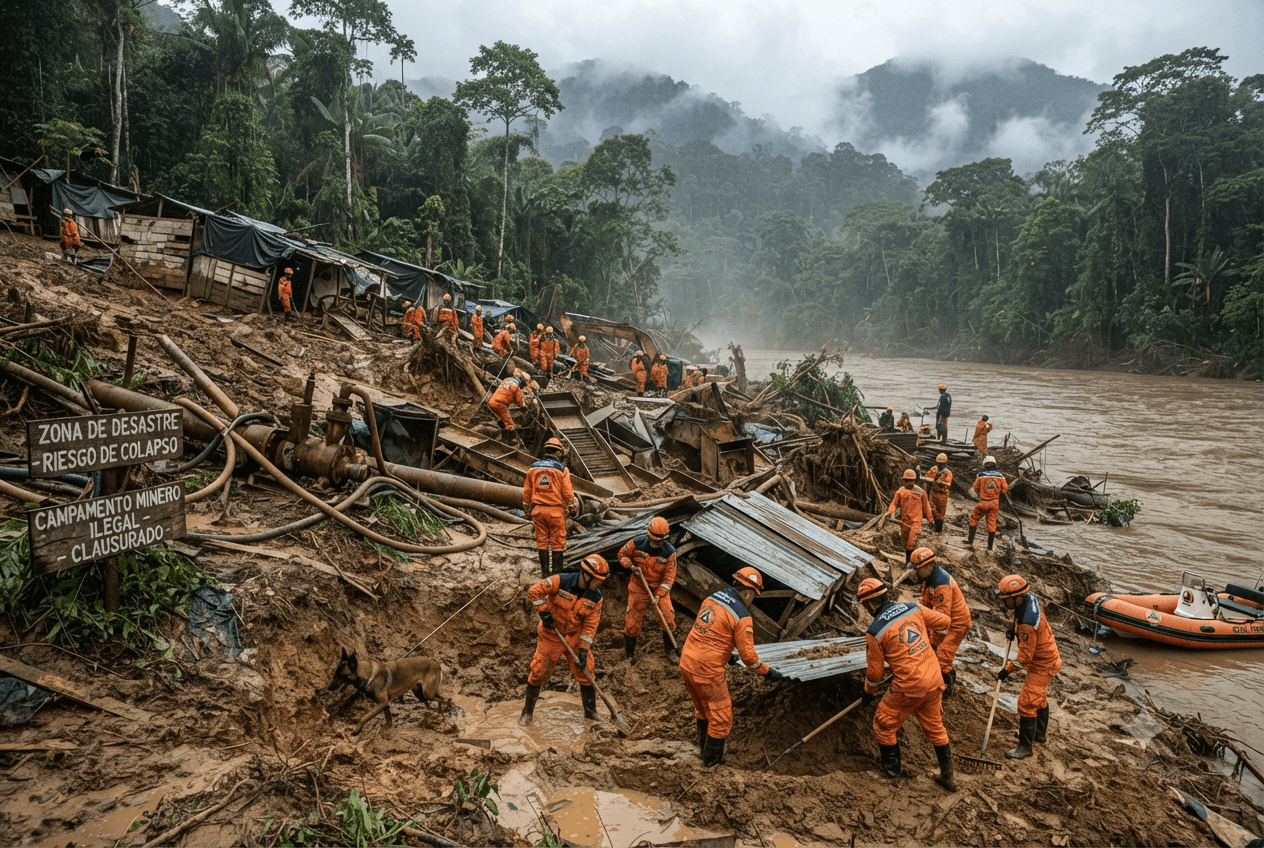
Rescue units confirmed that eight rural farmers lost their lives in the sudden disaster. Workers pulled bodies from thick layers of grey volcanic silt and fallen branches. Medics treated several survivors for severe respiratory distress and thermal burns at field posts. Relatives gathered near the disaster zone to identify victims recovered from the mud.
Volcanic debris choked local rivers and overflowed natural drainage channels. The destruction ruined extensive agricultural plots and coffee plantations ready for harvest. Heavy ash accumulations collapsed fragile tin-roofed shelters across several outlying hamlets. Transport routes remained blocked by deep mud deposits and fallen trees.
State officials blamed ongoing seismic instability for triggering the sudden debris flows. Volcanologists warned that saturated ash deposits would continue to pose severe flood risks. Government ministries promised immediate emergency food assistance to displaced farming families. Agricultural cooperatives demanded better early warning sirens for remote agricultural zones.
Survivors huddled in community centers converted into temporary evacuation shelters. Supplies of drinking water ran low as municipal supply lines suffered contamination from ash. Public health workers distributed protective face masks to prevent acute inhalation injuries. Families mourned their lost relatives while awaiting news of missing community members.
Heavy machinery struggled to clear the main access roads choked with thick mud. Engineering units deployed manual shovels to cut through hardened volcanic deposits. Meteorological agencies maintained high alert levels for adjacent active volcanic peaks. Rescue coordinators confirmed that operations would extend through the night.
The crisis highlighted severe vulnerabilities in rural disaster preparedness frameworks. Local councils faced mounting criticism over the lack of functional evacuation routes. Geologists began surveying upper slopes to assess risks of secondary lahars. Rescue teams maintained positions along the riverbanks as fresh storm clouds gathered overhead.
Note: This article was published on BanxChange.com and is powered by the BXE Token on the XRP Ledger. For the latest articles and news, please visit BanxChange.com