
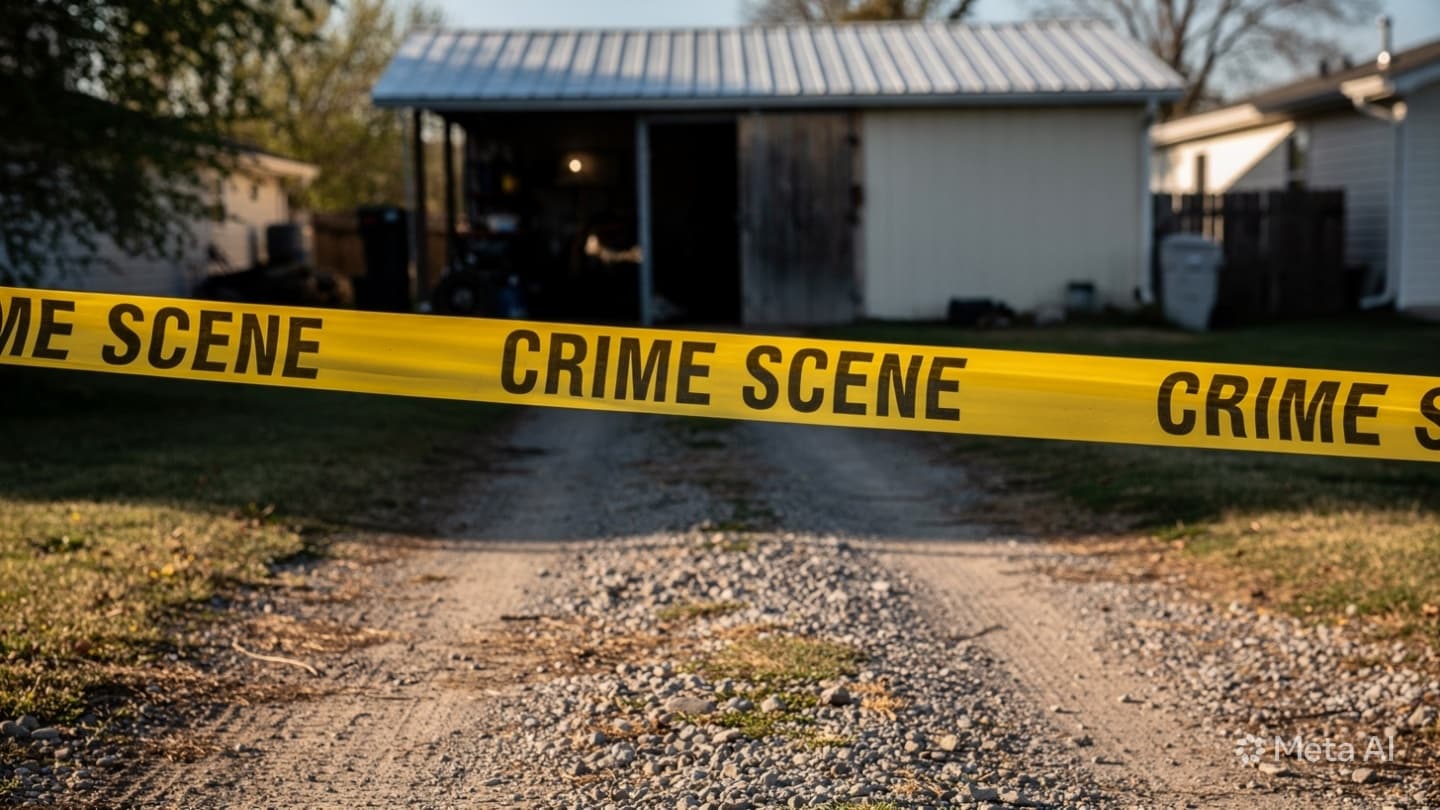
Kansas City, United States—Federal prosecutors unsealed a grand jury indictment this morning charging a local resident with the unlawful possession and manufacture of unregistered destructive devices. Bureau of Alcohol, Tobacco, Firearms and Explosives agents executed a search warrant on the property after an anonymous tip flagged unusual chemical purchases. Investigators recovered multiple completed pipe bombs, containers of volatile black powder, and tactical switching gear hidden inside a detached residential workshop.
The suspect was taken into custody without incident by federal marshals and remains held without bond pending an initial appearance in district court. Court documents reveal the components recovered were sophisticated enough to cause mass casualties if detonated in a populated area. Bomb disposal units spent several hours neutralizing the unstable materials on site before the evidence could be safely transported to a forensic laboratory.
A spokesperson for the Department of Justice stated that the individual lacked the federal licenses required to handle low-explosive powders or assemble improvised munitions. Under current federal statutes, each count of possessing an unregistered destructive device carries a maximum penalty of ten years in a federal penitentiary. Prosecutors indicated they are analyzing digital footprint data to determine if any devices had been sold or transferred to other parties.
Local law enforcement cordoned off a three-block radius surrounding the residence during the initial raid, forcing several neighbors to evacuate their homes for most of the afternoon. Municipal emergency management teams established a temporary shelter at a nearby community center until the all-clear was given by the bomb squad. Residents reported seeing unmarked federal vehicles monitoring the property for at least forty-eight hours before the tactical entry occurred.
Defense attorneys representing the accused issued a brief statement cautioning against a rush to judgment, claiming the materials were intended solely for private property clearance and recreational use. The defense team emphasized that no active detonation threats or specific targets were identified in the preliminary investigative files. They plan to challenge the validity of the initial search warrant during an upcoming evidentiary hearing.
Federal prosecutors countered by highlighting the lack of safety protocols discovered at the assembly site, noting that the volatile mixtures were stored adjacent to standard household electrical wiring. The indictment details that the suspect had been compiling chemical recipes and sourcing raw ingredients from multiple online vendors using pseudonyms. This systematic acquisition pattern triggered automated alerts within commercial chemical distribution networks.
The forensic analysis of the seized components is expected to take several weeks as technicians catalog the exact chemical composition of the powders and the structural integrity of the casings. Investigators are working to trace the origin of the commercial-grade fuses discovered inside the workshop, which are tightly regulated under state and federal commerce laws.
For now, the suspect remains in a federal holding facility while a magistrate judge reviews the prosecution's request for pre-trial detention based on public safety risks. The neighborhood has reopened to normal traffic, though local police cruisers remain stationed outside the perimeter of the seized property to secure the scene for secondary searches.
Note: This article was published on BanxChange.com and is powered by the BXE Token on the XRP Ledger. For the latest articles and news, please visit BanxChange.com