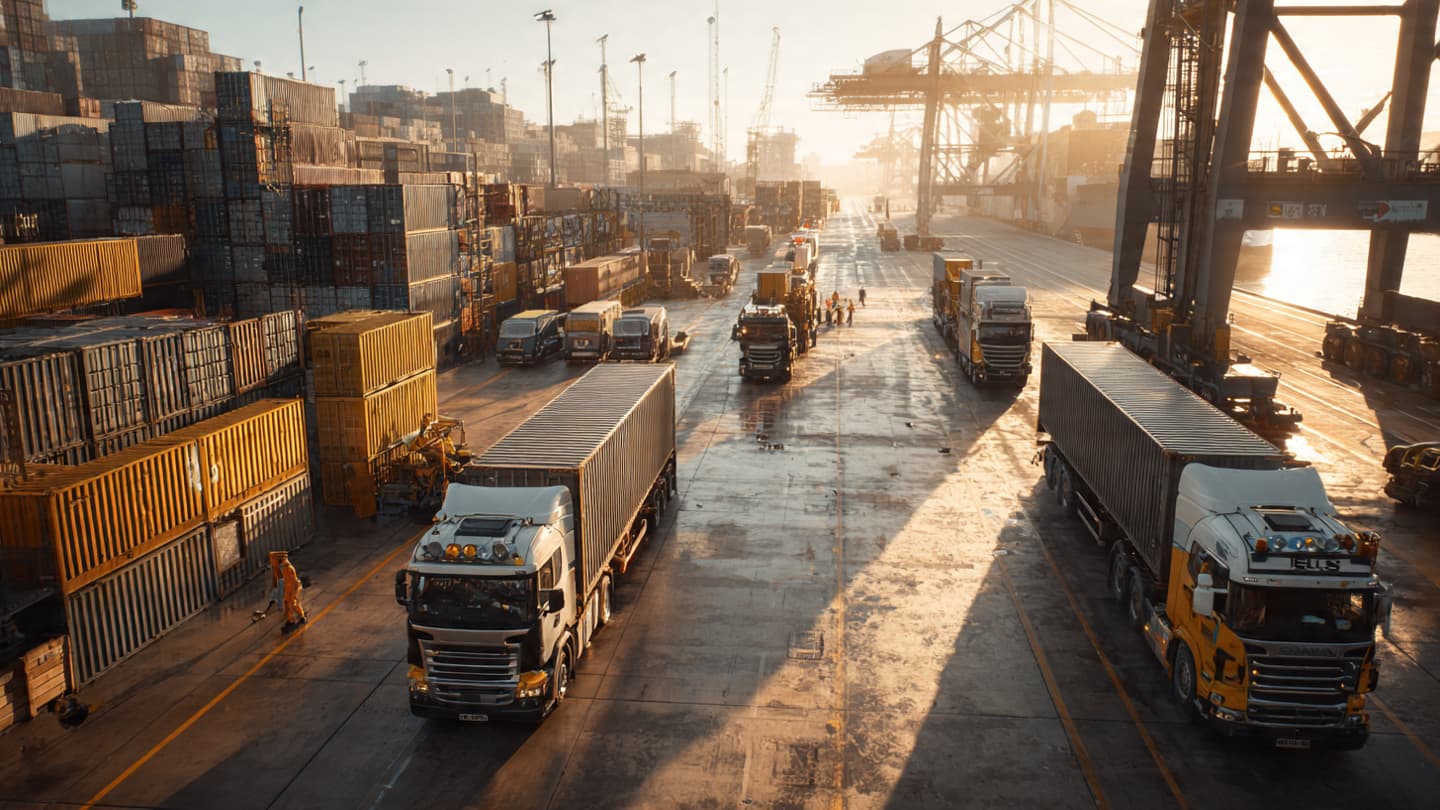
Long before the first rays of sunlight reach the Mediterranean coast, the Port of Marseille is already alive with movement. Massive cargo ships slowly enter the harbor, cranes stretch toward the sky, and thousands of containers quietly begin another chapter in the story of global commerce. While many people see only steel, water, and machinery, every shipment represents businesses, families, and economies connected across continents.
As one of Europe's largest commercial ports, Marseille plays a vital role in linking France with international markets. Recent weeks have seen a noticeable increase in cargo activity as shipping companies prepare for stronger demand during the summer months. Importers and exporters continue moving a wide range of goods, including industrial equipment, consumer products, agricultural commodities, and energy resources.
Port authorities attribute the increase to several contributing factors. Seasonal trade traditionally accelerates before summer holidays, while improvements in global shipping schedules have helped reduce congestion experienced in previous years. Shipping operators have also adjusted vessel rotations to improve delivery efficiency across Mediterranean and European trade corridors.
Logistics companies operating throughout southern France have responded by strengthening warehouse operations and expanding transportation capacity. Trucking firms, rail freight operators, and distribution centers continue coordinating closely to ensure that imported goods reach businesses efficiently while French exports move smoothly toward international markets.
The port's growing activity also supports thousands of jobs throughout the region. Dockworkers, customs officials, logistics specialists, engineers, and transport providers all contribute to an interconnected supply chain that extends far beyond the harbor itself. Their daily efforts help sustain one of France's most important gateways for international commerce.
Environmental responsibility remains an important priority as commercial activity expands. Port authorities continue investing in cleaner technologies, shore power facilities, and emissions reduction initiatives designed to balance economic growth with environmental sustainability. Shipping companies are likewise exploring more efficient vessels and alternative fuels as the maritime industry gradually moves toward lower-carbon operations.
Businesses across Europe continue watching global shipping conditions carefully. While international trade has become more stable compared with periods of severe supply chain disruption, companies remain attentive to weather conditions, fuel prices, and regional developments that could influence transportation costs or delivery schedules in the months ahead.
Economists note that healthy cargo volumes often serve as an indicator of broader economic activity. Although challenges remain across the global economy, the steady movement of goods through major ports like Marseille reflects continued business confidence and ongoing consumer demand across multiple industries.
As another busy summer shipping season begins, the Port of Marseille continues demonstrating its importance not only to France but also to the wider European economy. Every arriving vessel and departing container quietly reinforces the connections that bind international trade together, reminding the world that behind every product delivered lies a complex network of cooperation, planning, and human effort.
AI Image Disclaimer
The visuals presented in this article were created using AI technology and are intended solely as conceptual illustrations, not authentic photographs.
Sources
Reuters, Bloomberg, France 24, Lloyd's List, The Maritime Executive
Published by Banx Network. This article is part of the Banx decentralized media programme, powered by the BXE token on the XRP Ledger.