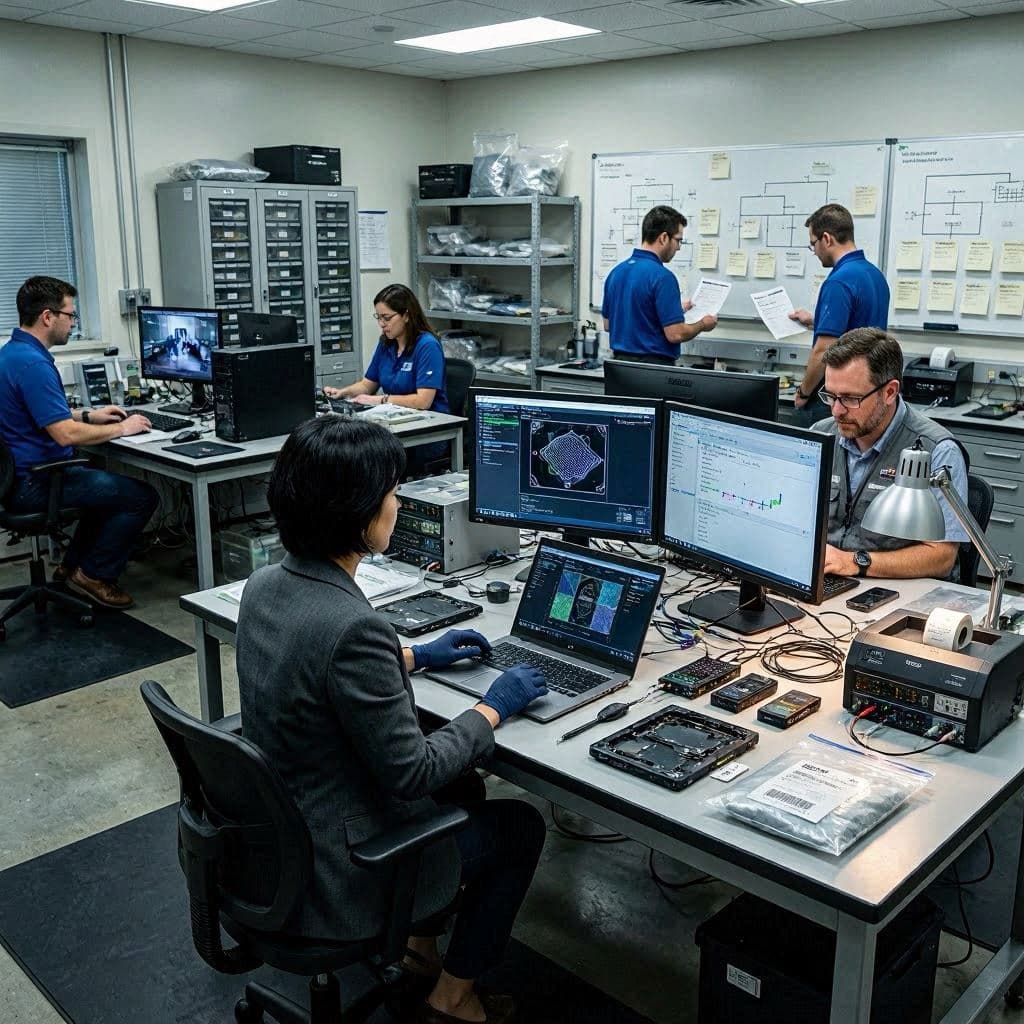
The modern world leaves behind more than physical traces. Phones, computers, cloud storage, and connected devices quietly record fragments of everyday activity, creating digital evidence that increasingly supports criminal investigations. As technology evolves, forensic laboratories continue adapting to meet new investigative challenges.
Crime laboratories in several countries are expanding their digital forensic capabilities through investments in specialized software, advanced computing systems, and investigator training. These improvements allow forensic specialists to analyze larger volumes of electronic evidence more efficiently.
Digital forensics now plays an important role in investigations involving financial crimes, cybercrime, fraud, organized crime, and many other criminal offenses. Electronic records frequently complement traditional forensic evidence collected at crime scenes.
Modern laboratories examine smartphones, computers, surveillance systems, vehicle data, cloud services, and encrypted storage devices while following strict procedures designed to preserve evidence integrity throughout the investigative process.
Artificial intelligence and automated analytical tools are also becoming increasingly valuable. These technologies assist investigators by organizing large datasets, identifying relevant digital patterns, and accelerating evidence review without replacing expert human analysis.
Laboratory accreditation remains essential as digital evidence grows more complex. Standardized procedures help ensure that electronic evidence remains scientifically reliable and legally admissible during court proceedings.
Training continues to receive significant attention. Digital forensic specialists regularly update their technical knowledge to keep pace with rapidly changing software, communication technologies, and cybersecurity threats affecting modern investigations.
As criminal investigations become increasingly connected to digital technology, expanded forensic capabilities strengthen the ability of investigators to analyze evidence accurately while maintaining scientific standards that support fair judicial outcomes.
AI-generated image disclaimer: The accompanying illustration was created using AI for visual support and is not an actual crime laboratory image.
Note: This article was published on BanxChange.com and is powered by the BXE Token on the XRP Ledger. For the latest articles and news, please visit BanxChange.com