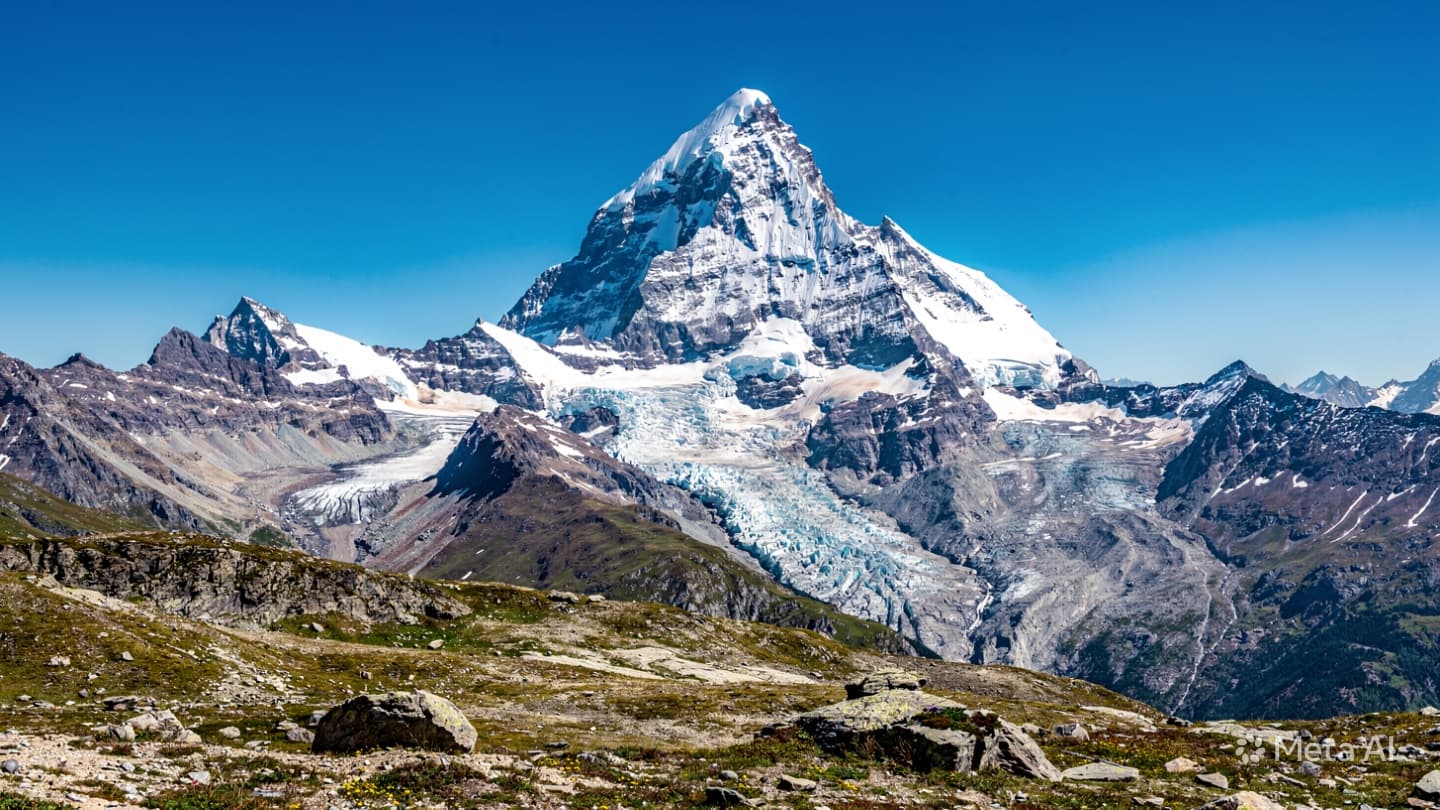
Lukla, Nepal—A massive high-altitude avalanche struck an international climbing expedition on a peak within the Everest region of Solukhumbu district Tuesday morning, killing an experienced local Sherpa guide and leaving two foreign climbers with severe injuries. The sudden snow and ice collapse occurred at approximately 6:15 a.m. at an elevation of roughly 6,200 meters as the team was navigating a steep ice couloir during their final summit push.
High-altitude rescue operators based in Lukla launched a complex long-line helicopter evacuation operation immediately after receiving a distress signal from the team's satellite tracking unit. The body of the thirty-eight-year-old Sherpa guide, who was swept down a deep crevasse by the leading edge of the snow wall, was recovered by his fellow expedition members hours before the rescue aircraft could arrive. He sustained fatal internal injuries and massive structural trauma from the violent fall.
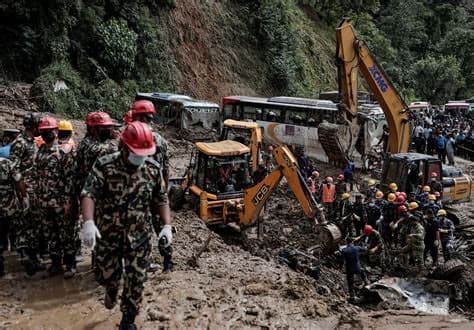
The two injured foreign nationals, identified as experienced European mountaineers, were successfully extricated from the high ridge by a specialized high-altitude B3 helicopter crew operating under volatile wind conditions. Both survivors were flown directly to a trauma hospital in Kathmandu, where they are currently receiving treatment for severe hypothermia, deep frostbite, and multiple compound fractures. The remaining three uninjured members of the expedition are currently trekking down to base camp under their own power.
Preliminary reports from the Department of Tourism indicate that the avalanche was triggered by a sudden warming trend at high elevations, which caused an unstable overhanging serac—a massive block of glacial ice—to fracture and collapse onto the slope below. The sheer volume of falling ice dislodged tonnes of accumulated fresh winter snow, creating a fast-moving powder cascade that completely overwhelmed the fixed rope lines the team was utilizing for their ascent.
The Solukhumbu district, which contains Mount Everest and several other iconic peaks, has seen a growing number of late-season climbing permits issued to international expeditions. Mountain safety organizations emphasized that climate instability in the Himalayas has rendered traditional climbing windows increasingly unpredictable, with high-altitude ice structures melting and collapsing at accelerated rates during the shoulder seasons.
The Nepal Mountaineering Association issued a statement honoring the deceased Sherpa guide, praising his extensive experience and dedication to the mountain community, while noting that the organization will provide financial aid to his wife and school-aged children. Local guide collectives are renewing calls for mandatory state-backed insurance policies with higher payout caps for high-altitude workers who assume extreme risks to support the country’s adventure tourism sector.
Forensic medical units in Kathmandu are preparing to perform a mandatory autopsy on the body of the guide once it is flown down from the Lukla airstrip on Wednesday morning. Mountaineering officials have temporarily suspended climbing activities on that specific peak while ice field specialists monitor the stability of adjacent glacial walls to ensure no remaining teams are at risk.
Expedition logistics agencies are working closely with embassy officials to coordinate the medical care and potential medical evacuation flights for the two hospitalized foreign climbers once their conditions stabilize. The Department of Tourism has reminded all authorized agencies to strictly review high-altitude weather telemetry maps and snowpack density readings before sending teams past established high camps.
Published by Banx Network. This article is part of the Banx decentralized media programme, powered by the BXE token on the XRP Ledger.