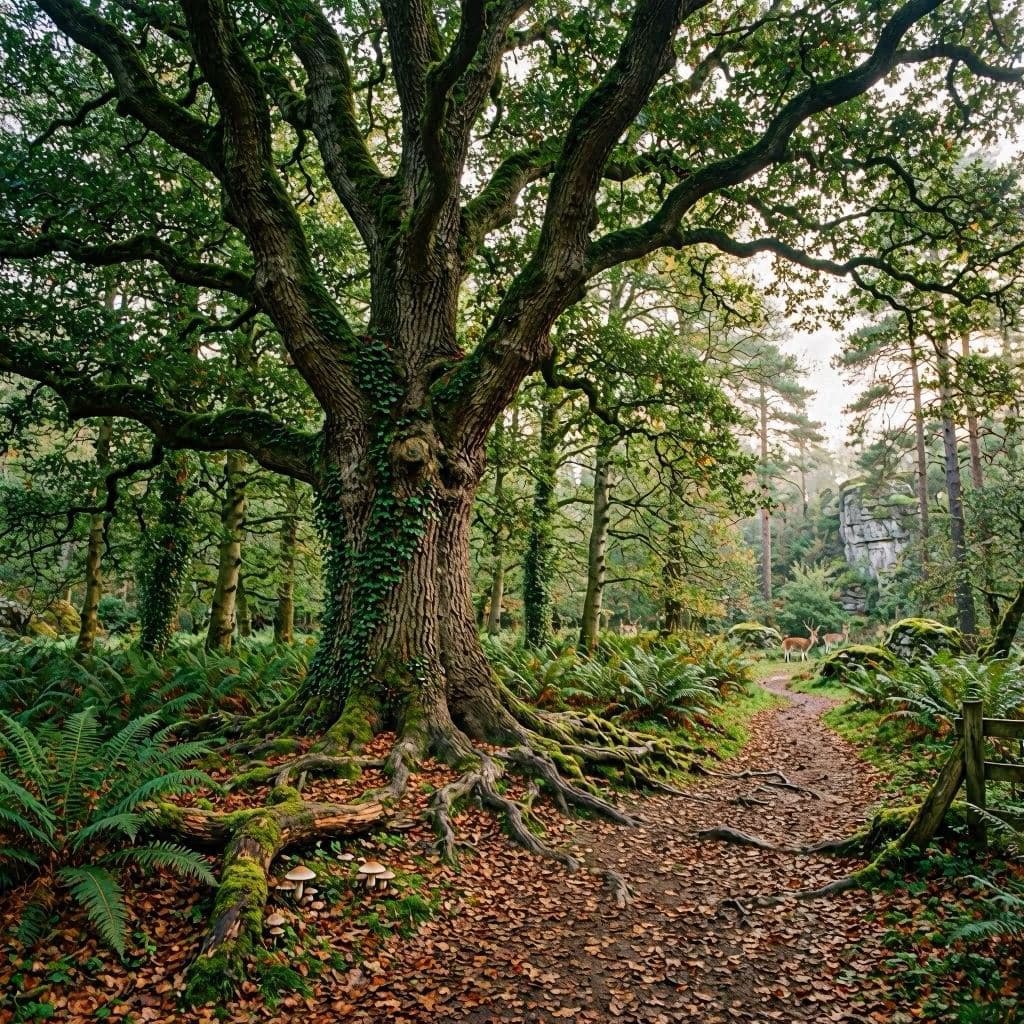
Some trees become more than part of a landscape. They stand quietly through centuries, witnessing changing seasons, passing generations, and the stories people choose to remember. In England's Sherwood Forest, one ancient oak associated with the legend of Robin Hood has long represented that enduring connection between history and nature. News that the tree has died has brought sadness to many who have admired its remarkable presence.
Environmental groups and conservation organizations confirmed that the ancient oak, estimated to be around 1,200 years old, has reached the end of its natural life. For many visitors, the tree was more than a botanical landmark. It symbolized centuries of English folklore and the enduring relationship between cultural heritage and the natural world.
Sherwood Forest is closely linked to the legendary figure of Robin Hood, whose stories have been passed down through literature, theater, and film. Although historians continue to debate the origins of the legend, the forest itself remains an important cultural and historical destination, attracting visitors from around the world.
Ancient oak trees play significant ecological roles. Their branches, bark, and roots provide habitats for birds, insects, fungi, and countless other organisms. Even after a tree dies, it can continue supporting biodiversity by creating environments for different forms of life.
Conservation specialists note that ancient trees face many natural challenges, including storms, disease, changing environmental conditions, and the simple passage of time. Protecting old-growth forests and historic trees often requires careful monitoring and long-term management strategies.
The announcement has encouraged reflection on the importance of preserving natural heritage. Historic landscapes connect communities to the past while providing educational opportunities for future generations. Conservation efforts frequently focus not only on individual trees but also on the ecosystems surrounding them.
Local organizations and environmental groups have expressed appreciation for the tree's long life and lasting contribution to Sherwood Forest. Some have discussed ways to preserve its legacy through education, habitat conservation, and continued care for younger trees growing in the area.
Scientists and conservationists emphasize that forests are constantly changing ecosystems. While the loss of an ancient tree represents the end of one chapter, natural regeneration and careful stewardship help ensure that forests continue evolving and supporting wildlife over time.
The passing of the Robin Hood oak serves as a gentle reminder that even nature's oldest landmarks are not permanent. Yet the history, ecological value, and cultural meaning associated with such trees can continue to inspire conservation efforts for generations to come.
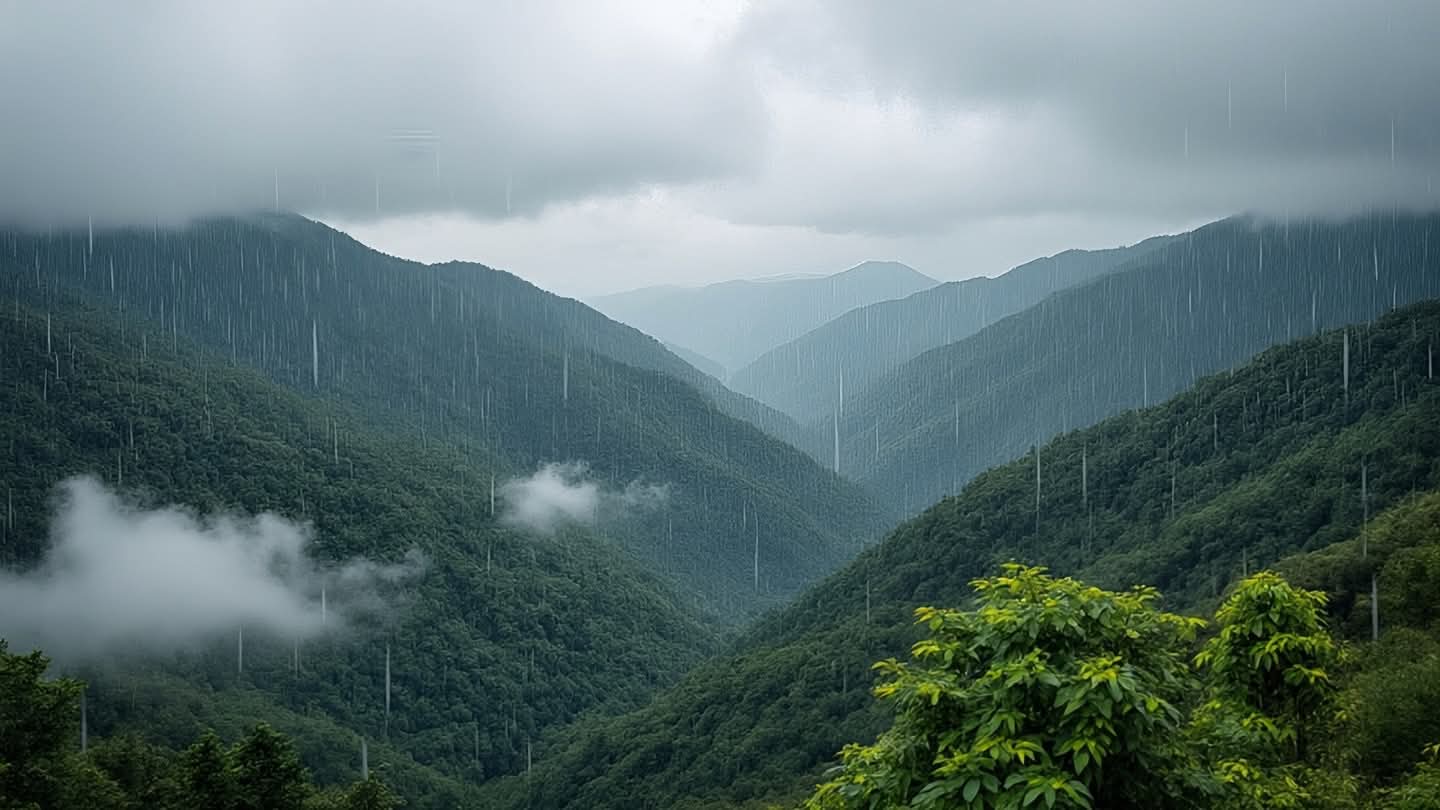
AI Image Disclaimer: The accompanying visuals are AI-generated editorial illustrations intended to represent the story in a neutral and respectful manner.
Sources Verified: Associated Press, RSPB, BBC News, The Guardian
Note: This article was published on BanxChange.com and is powered by the BXE Token on the XRP Ledger. For the latest articles and news, please visit BanxChange.com