Time often feels permanent to human beings, moving forward with the quiet certainty of tides and sunrise. Yet even the length of a single day is not entirely fixed. Scientists now say that climate change, through its influence on Earth’s ice, oceans, and atmosphere, may be subtly altering the speed at which the planet rotates, making days slightly longer than before.
Researchers studying Earth’s rotational dynamics have linked melting polar ice and shifting water distribution to gradual changes in the planet’s balance and momentum. Much like a spinning figure skater slows slightly when extending their arms, Earth’s rotation can respond to the movement of mass across its surface. Although the changes are extremely small, they remain measurable with modern scientific instruments.
Climate-driven melting in regions such as and redistributes enormous quantities of water into the world’s oceans. As water spreads farther from Earth’s rotational axis, the planet’s spin experiences slight deceleration. Scientists emphasize that the effect unfolds over long timescales and does not alter daily human life in noticeable ways.
Precise atomic clocks and satellite monitoring systems allow researchers to detect changes measured in milliseconds. While tiny, these variations hold significance for fields including astronomy, navigation, telecommunications, and climate science. Modern technologies often depend on exceptionally accurate timekeeping, making even small rotational changes scientifically important.
Experts note that Earth’s rotation has always fluctuated naturally due to factors such as lunar gravity, seismic activity, and movements within the planet’s core. Climate change now appears to be adding another layer to that complex system. Rather than replacing natural influences, warming temperatures may be interacting alongside them in subtle but measurable ways.
The findings also highlight how interconnected planetary systems truly are. Ice sheets melting thousands of miles away can influence ocean circulation, sea levels, ecosystems, and even the precise duration of a day. In this sense, climate science increasingly reveals Earth not as a collection of isolated processes, but as a deeply linked system responding collectively to environmental shifts.
Researchers caution against misunderstanding the scale of the effect. The changes involved are extraordinarily small, far beyond normal human perception. Nevertheless, the discovery carries symbolic weight because it illustrates how extensively human-driven climate patterns are reaching into natural systems once considered almost immovable.
As scientific observations continue improving, researchers expect to learn more about the relationship between climate change and Earth’s physical behavior. For now, the findings offer a quiet reminder that even time itself—measured by the turning of the planet beneath our feet—is not entirely untouched by a warming world.
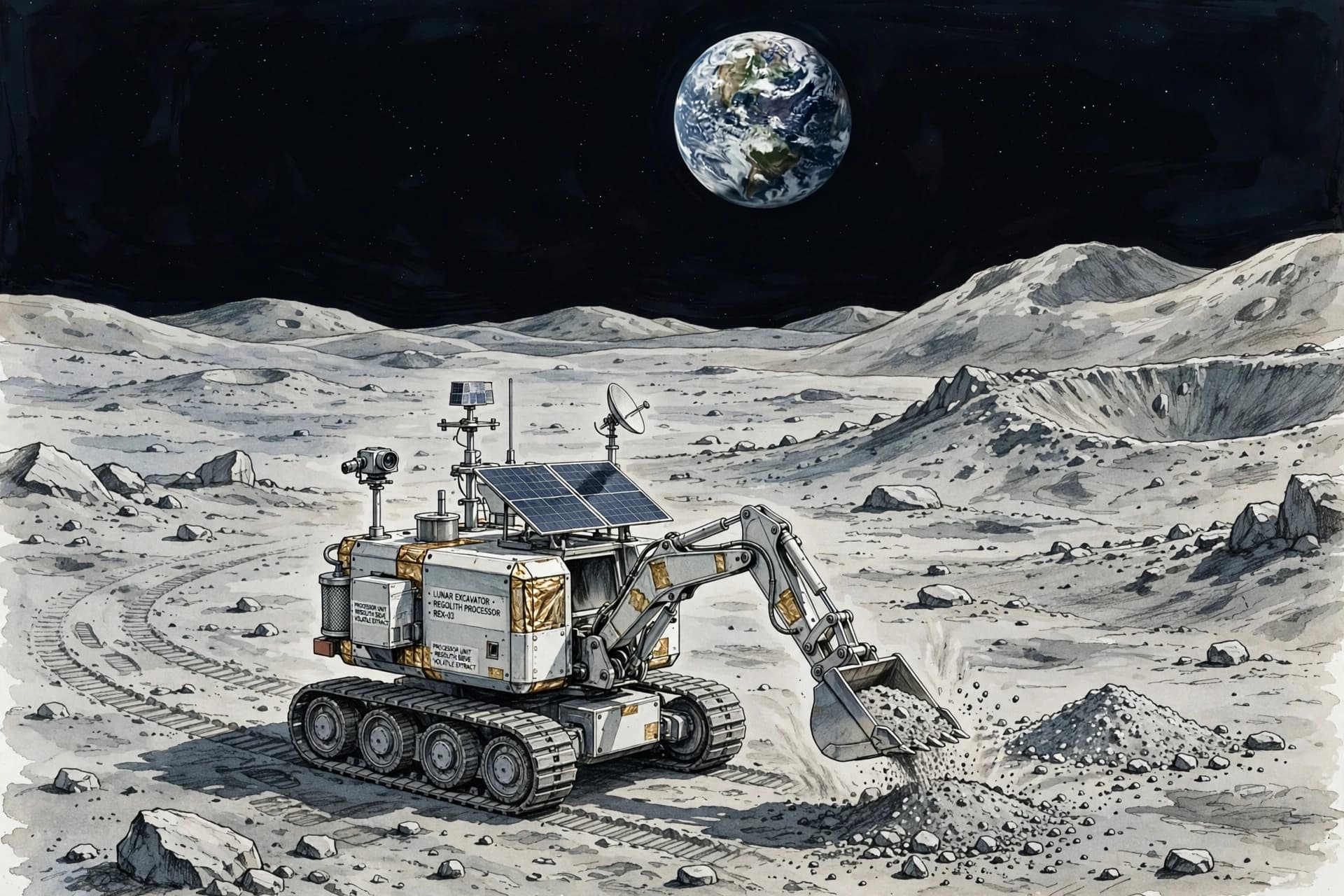
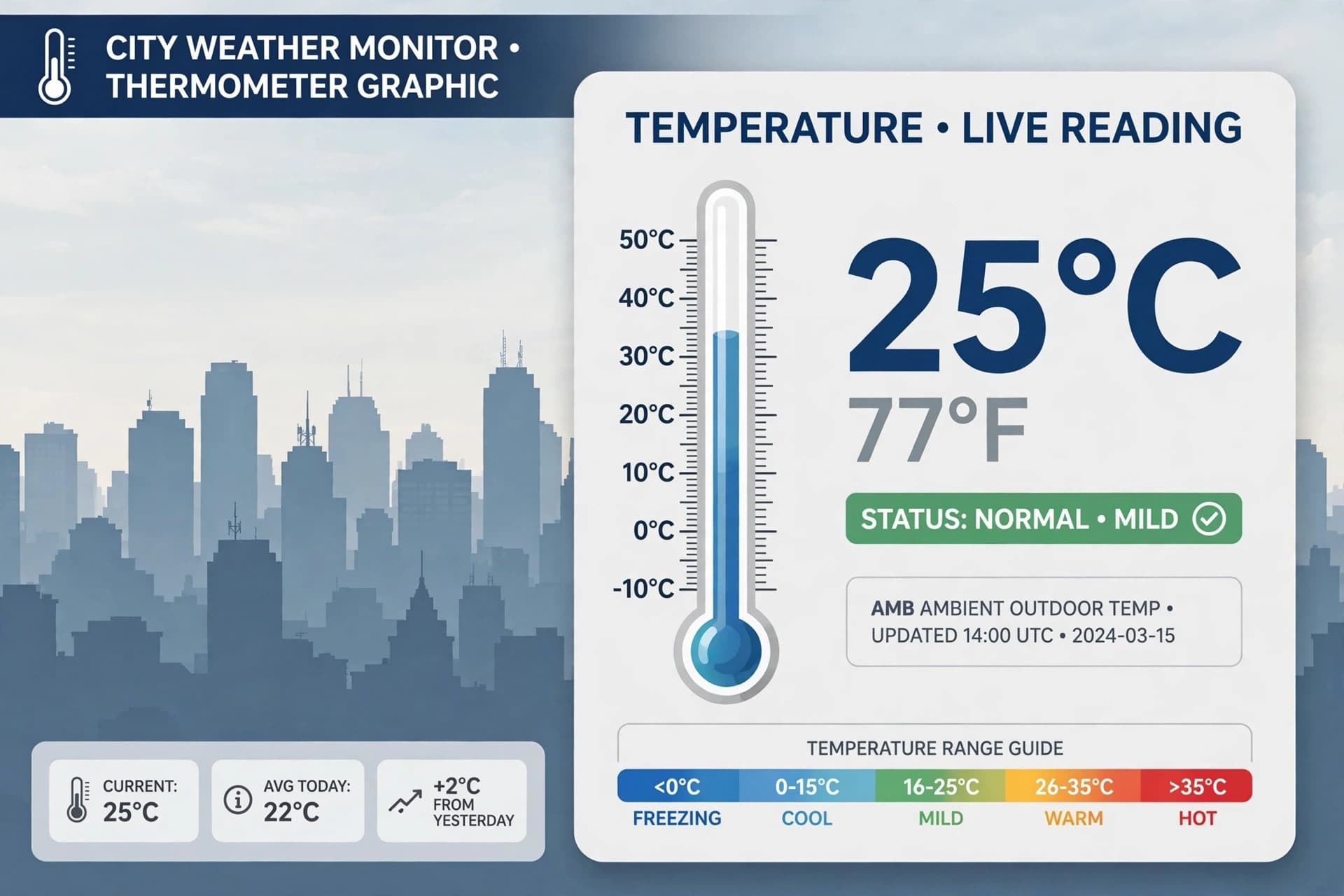
AI Image Disclaimer: Some scientific illustrations accompanying this article were generated with AI-assisted imaging for educational visualization.
Sources: Nature, NASA, Reuters, Scientific American, BBC News
Published by Banx Network. This article is part of the Banx decentralized media programme, powered by the BXE token on the XRP Ledger.