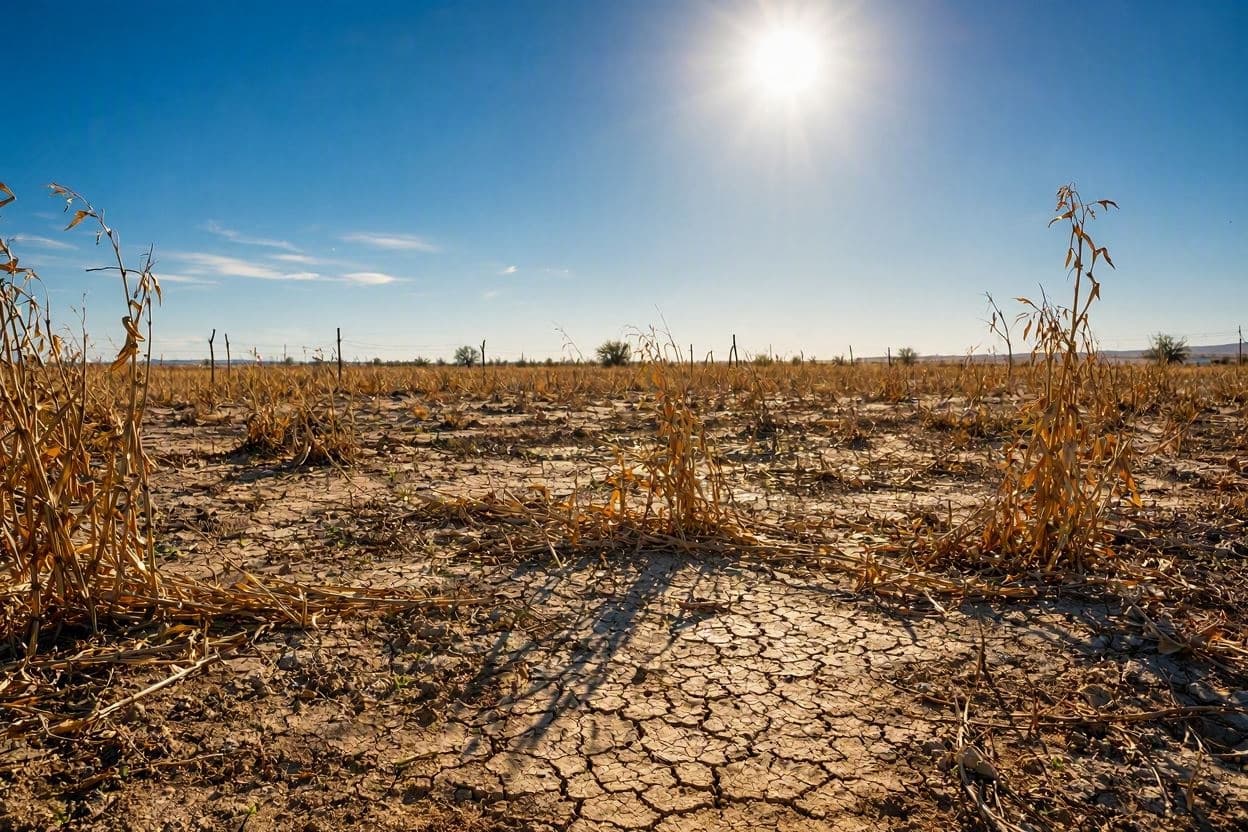
Across the verdant fields of Europe, a silent struggle is unfolding. Successive heatwaves and prolonged droughts have parched the soil, withering crops and leaving farmers grappling with an unprecedented crisis. From the vineyards of France to the grain fields of Germany, the agricultural heartland of the continent is facing a challenge that threatens not just livelihoods but the very stability of food security.
The summer of 2026 has been marked by record-breaking temperatures and scarce rainfall. Rivers have shrunk to trickles, and reservoirs are at historic lows, limiting irrigation capabilities. For farmers who have relied on predictable seasonal patterns for generations, this volatility is disorienting. Crops that once thrived are now stunted or lost entirely, leading to significant financial losses and emotional distress.
The economic impact is severe. Estimates suggest that the June heatwave alone cost European grain farmers billions in lost revenue. Small-scale farms, which operate on tighter margins, are particularly vulnerable. Many are considering abandoning their land, unable to sustain the costs of adaptation. This exodus from rural areas could have long-term social and cultural consequences for European communities.
Government responses have varied, with some countries offering emergency subsidies and others calling for broader EU-level support. However, farmers argue that short-term aid is insufficient. They need structural changes, including investment in drought-resistant crops, improved water management infrastructure, and insurance schemes that reflect the new reality of climate change.
The crisis also highlights the interconnectedness of global food systems. As European production declines, reliance on imports increases, potentially driving up prices worldwide. This ripple effect affects consumers, particularly those in lower-income households, who spend a larger proportion of their income on food. The issue is no longer just local; it is global.
Environmental scientists warn that these extreme weather events are likely to become more frequent and intense. Adaptation is no longer optional but essential. Farmers are experimenting with new techniques, such as regenerative agriculture and precision irrigation, to build resilience. Yet, these transitions require time, resources, and knowledge that many do not currently possess.
Community solidarity has emerged as a beacon of hope. Farmer cooperatives are sharing resources and expertise, helping each other navigate the challenges. Local markets are promoting regional produce, reducing transport emissions and supporting nearby growers. These grassroots efforts demonstrate the power of collective action in the face of adversity.
As Europe confronts this agricultural crisis, the conversation must shift from reaction to prevention. Investing in sustainable practices and climate-resilient infrastructure is crucial. For the farmers on the front lines, the hope is that their voices will be heard, and that policies will evolve to support them in cultivating a future that is both productive and sustainable.
AI Image Disclaimer: Images accompanying this report are AI-generated artistic interpretations of dried farmland and agricultural landscapes, intended to visualize the impact of drought without depicting specific real-world locations.
Sources: The Guardian, AP News, Le Monde, World Weather Attribution
Note: This article was published on BanxChange.com and is powered by the BXE Token on the XRP Ledger. For the latest articles and news, please visit BanxChange.com